Contents
Stress, Anxiety, And The Gut

Stress and anxiety don’t just affect the mind; they also have a profound impact on gut health. When a person experiences stress, the body’s stress response can alter gut motility, secretion, and barrier function. This can lead to changes in the gut microbiome, exacerbating or potentially leading to gastrointestinal disorders. Furthermore, chronic stress is known to increase gut permeability, often referred to as “leaky gut,” which can further disrupt the gut-brain axis. This vicious cycle between stress, anxiety, and gut health highlights the importance of managing stress for maintaining a healthy gut.
Adopting strategies to manage stress and anxiety can significantly benefit gut health. Techniques such as mindfulness meditation, regular exercise, and adequate sleep have been shown to improve both mental and gut health. Mindfulness and meditation can help in reducing the body’s stress response, thereby promoting a healthier gut environment. Similarly, regular physical activity and good sleep hygiene are known to have positive effects on the gut microbiome, further emphasizing the interconnectedness of mental and gut health.
Diet And Its Impact On Gut And Mental Health

Diet plays a crucial role in shaping gut microbiota and, by extension, mental health. Diets rich in fiber, such as fruits, vegetables, and whole grains, support the growth of beneficial gut bacteria. These bacteria, in turn, produce short-chain fatty acids, which have anti-inflammatory properties and are crucial for maintaining the integrity of the gut lining. Conversely, diets high in processed foods, sugar, and saturated fats can promote the growth of harmful bacteria, negatively impacting gut health and potentially leading to mood disorders.
There’s a growing understanding that dietary choices can directly affect mental well-being through their impact on the gut. Fermented foods, rich in probiotics, are known to support a healthy gut microbiome and have been linked to improvements in mood and cognitive function. Omega-3 fatty acids, found in fish, flaxseed, and walnuts, are also beneficial for both gut and brain health. This dietary approach, focusing on gut-friendly foods, presents an accessible and natural way to potentially improve mental health through the gut.
Probiotics, Prebiotics, And Mental Health
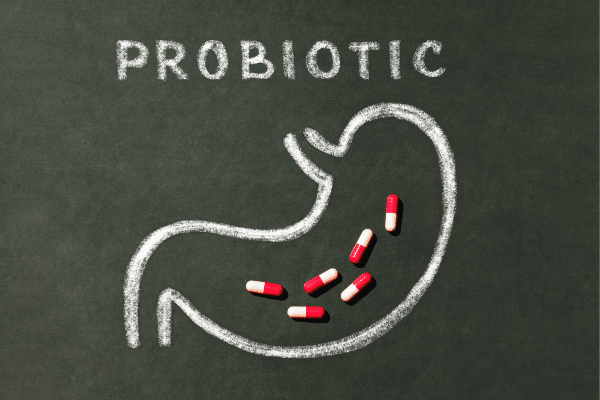
Probiotics and prebiotics are crucial for maintaining a healthy gut microbiome, which in turn can impact mental health. Probiotics are live beneficial bacteria found in certain foods and supplements, while prebiotics are dietary fibers that feed these beneficial bacteria. Together, they help maintain the balance and diversity of gut bacteria, which is essential for both gut and mental health. Several studies suggest that probiotics can have a positive effect on mental health conditions such as depression and anxiety, likely through their influence on the gut-brain axis.
Recent research has also explored the potential of prebiotics in mental health. Prebiotics, by promoting the growth of beneficial bacteria in the gut, can play a role in producing and regulating neurotransmitters and neuroactive compounds that affect mood and cognition. There is growing evidence that a diet rich in both probiotics and prebiotics can have a beneficial impact on mental health, further highlighting the important role of diet in the gut-brain relationship.
Lifestyle Factors Influencing Gut And Mental Health

Lifestyle factors such as sleep, exercise, and smoking can significantly influence gut health and, consequently, mental well-being. Lack of sleep has been shown to negatively affect the gut microbiome, which can lead to increased stress and anxiety levels. On the other hand, regular exercise has a positive impact on gut health by promoting the growth of beneficial gut bacteria and reducing inflammation. This can lead to improved mood and cognitive function, illustrating the importance of physical activity for mental health.
Smoking and excessive alcohol consumption are known to be detrimental to gut health. They can disrupt the balance of the gut microbiome, leading to inflammation and a weakened gut barrier. This can exacerbate mental health issues such as depression and anxiety. Conversely, quitting smoking and moderating alcohol intake can have a positive impact on gut health, thereby potentially improving mental well-being. These lifestyle factors demonstrate the interconnected nature of physical habits, gut health, and mental health.
The Bottom Line
The link between gut health and mental health is a compelling area of modern medical research, revealing the profound influence that the gut can have on the brain and vice versa. Understanding this connection offers a new perspective on treating and preventing mental health disorders, emphasizing the importance of maintaining a healthy gut microbiome. Simple changes in diet, lifestyle, and stress management can have a significant impact on both gut and mental health. This holistic approach to well-being recognizes the body as an interconnected system, where nurturing one part can lead to positive changes in the whole.