The intricate relationship between gut health and mental well-being is an emerging area of scientific interest, revealing how these seemingly separate aspects of health are deeply interconnected. The concept of the gut-brain axis serves as a fundamental component in understanding this connection. This axis, a complex communication network linking the gut and brain, plays a pivotal role in both physical and mental health. Research is increasingly focusing on how gut health can influence mood, stress levels, and even more complex mental health conditions. Recognizing the gut-brain axis not only opens up new avenues for understanding mental health disorders but also offers potential pathways for novel treatment and prevention strategies.
Understanding The Gut-Brain Axis
The gut-brain axis represents a major advance in understanding how far-reaching the influence of gut health can be. It is a bi-directional communication network involving neural, hormonal, and immunological signaling pathways. The central and enteric nervous systems are directly connected, allowing for constant communication between the brain and the gastrointestinal tract. This pathway plays a critical role in maintaining homeostasis and has a significant impact on one’s emotional and cognitive functions. Insights into this connection are reshaping the way mental health issues are viewed, shifting the focus towards a more holistic approach to health.
Pioneering research in this field has brought to light the profound impact the gut can have on the brain. Studies have shown that changes in the gut’s microbial composition can affect the body’s stress response and even influence the risk of developing psychiatric disorders. These findings have major implications, suggesting that maintaining a healthy gut flora could be key to promoting mental well-being. As researchers continue to unravel the complexities of this relationship, it becomes evident that the gut-brain axis is a crucial element in the puzzle of human health.
The Role Of Gut Microbiota In Mental Health

Gut microbiota, the diverse community of microorganisms living in the digestive tract, plays an essential role in overall health. These microbes aid in digestion, immune system function, and the production of key vitamins. Beyond these physical roles, there is a growing body of evidence suggesting that gut microbiota can significantly influence mental health. Imbalances in these microbial communities have been linked to a range of psychological and neurological conditions, from depression to autism spectrum disorders.
The way in which gut microbiota affects mental health is multifaceted. These microorganisms can produce and modulate neurotransmitters and neuroactive compounds, directly impacting brain function. For instance, certain gut bacteria can produce serotonin, a neurotransmitter that plays a key role in mood regulation. Alterations in the gut microbiota composition can disrupt this production, potentially leading to mood disorders. This burgeoning area of research is providing new insights into how the gut’s ecosystem directly affects emotional and cognitive health.
Gut Health And Neurotransmitter Production
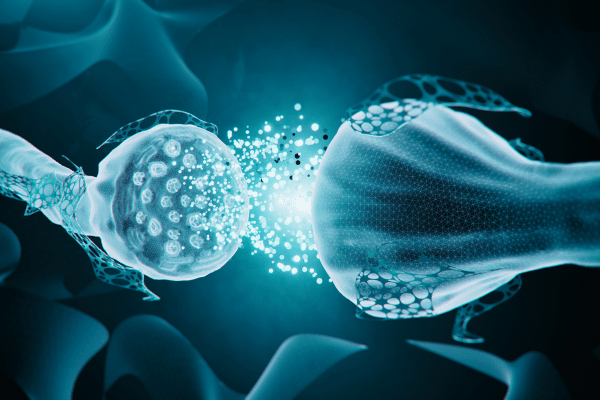
Gut health is intricately linked to the production of neurotransmitters, chemical messengers that play a key role in mood and cognitive functions. The gut is often referred to as the ‘second brain’ due to its ability to produce various neurotransmitters, including serotonin, which is critical for mood regulation. Surprisingly, an estimated 90% of the body’s serotonin is produced in the gut. This highlights the significant impact gut health can have on emotional well-being.
Neurotransmitter imbalances are commonly associated with several mental health conditions, such as depression and anxiety disorders. When gut health is compromised, it can lead to altered neurotransmitter production, thereby impacting mental health. This connection underscores the potential of targeting gut health as a means of treating and preventing mental health disorders. By maintaining a healthy gut environment, it’s possible to positively influence the balance and production of key neurotransmitters, offering a promising avenue for enhancing mental well-being.