Startling statistics reveal that nearly one in three adults in the United States has high blood pressure, also known as hypertension. This condition is often dubbed the “silent killer” because it frequently shows no symptoms until it’s too late. Understanding how diet affects your blood pressure is crucial, as it offers a proactive approach to managing this health risk. This article will delve into the science behind blood pressure, identify foods that can either raise or lower it, and provide actionable steps for crafting a balanced meal plan. So, let’s embark on this journey to better health by first understanding what blood pressure is and why it’s so important to monitor.
Blood Pressure: The Basics And Its Importance
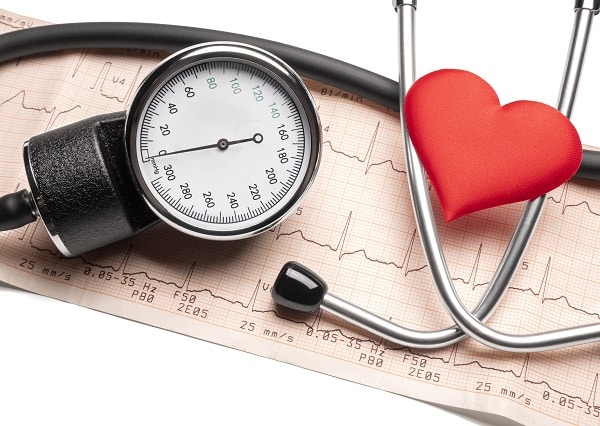
Blood pressure is the force exerted by circulating blood against the walls of your arteries. It’s measured using two numbers: the systolic pressure, which occurs when the heart beats, and the diastolic pressure, which occurs when the heart is at rest between beats. Both numbers are crucial for assessing your cardiovascular health. High readings for extended periods can lead to severe health issues like heart disease, stroke, and kidney failure.
Understanding your blood pressure numbers is the first step in managing your cardiovascular health. The American Heart Association categorizes blood pressure into five ranges: normal, elevated, and three stages of hypertension. Each range serves as an indicator of your health and dictates the urgency for intervention. With the basics covered, it’s time to explore how your diet plays a significant role in controlling these numbers.
The Science Behind Diet And Blood Pressure
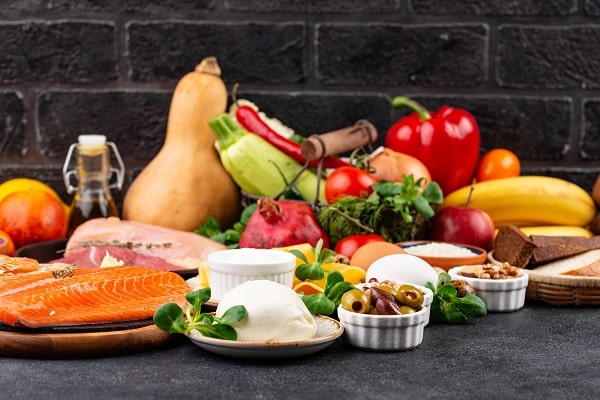
Your diet can have a direct impact on your blood pressure levels. Consuming foods high in sodium, for example, can cause your body to retain water, increasing the volume of your blood and, consequently, your blood pressure. On the other hand, nutrients like potassium can help balance the amount of sodium in your cells, effectively lowering blood pressure. It’s a delicate balance that can significantly affect your cardiovascular health.
Several studies have established a strong link between diet and blood pressure. The DASH (Dietary Approaches to Stop Hypertension) diet, for instance, has been shown to lower blood pressure effectively within weeks. This diet emphasizes fruits, vegetables, and low-fat dairy foods, along with moderate amounts of whole grains, fish, poultry, and nuts. Armed with this knowledge, let’s identify the specific foods that can either be your allies or enemies in the battle against high blood pressure.
The Usual Suspects: Foods That Raise Blood Pressure

Processed foods are one of the main culprits behind elevated blood pressure levels. These foods are often high in sodium and low in nutrients, making them a double-edged sword for your cardiovascular health. Items like canned soups, frozen dinners, and packaged snacks can quickly push you past the recommended daily sodium intake, leading to higher blood pressure.
Another category to watch out for is sugary beverages. Drinks like soda and fruit drinks with added sugars can contribute to weight gain, which is a risk factor for high blood pressure. Additionally, the high sugar content can lead to insulin resistance, another pathway to elevated blood pressure. Now that you’re aware of the foods that can raise your blood pressure, let’s shift focus to those that can help you lower it.