Contents
Exercise Regularly

Engaging in regular physical activity is not only beneficial for overall health but also plays a specific role in preventing kidney stones. Moderate exercise helps the body manage weight, improve circulation, and enhance metabolic functions, all of which contribute to reduced risk factors for kidney stone formation. Keeping the body active ensures that calcium is used more effectively in bones rather than circulating in the bloodstream and potentially forming stones.
Incorporating physical activity into daily life doesn’t require exhaustive routines or gym memberships. Simple activities like walking, cycling, or swimming for at least 30 minutes most days of the week can significantly improve health. It’s essential to find an exercise routine that is enjoyable and sustainable, ensuring consistency and long-term commitment to a healthier lifestyle.
Cut Back On Meat
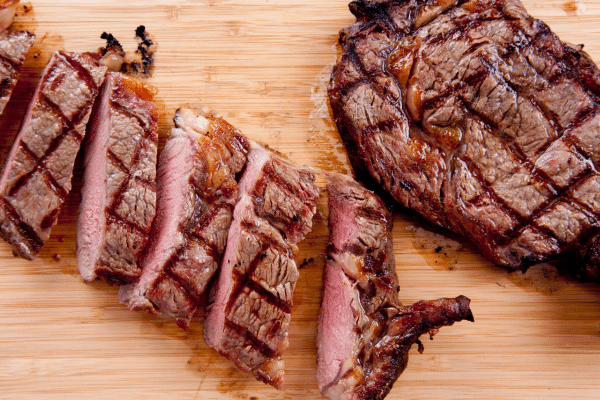
Diets high in animal protein can increase the risk of developing kidney stones, particularly uric acid stones. Meat, especially red meat, poultry, and seafood, can raise the amount of uric acid in urine. When uric acid levels become too high, it can lead to the formation of kidney stones. Additionally, a diet high in animal protein may reduce levels of citrate, the chemical in urine that helps prevent stones from forming.
Shifting towards a more plant-based diet can have profound benefits in reducing the risk of kidney stones. Incorporating alternative protein sources such as legumes, lentils, and quinoa not only reduces uric acid levels but also provides a rich array of nutrients beneficial for overall health. Balancing animal and plant-based proteins helps maintain optimal urine chemistry, reducing the likelihood of stone formation.
Eat Plenty Of Fruits And Vegetables

Fruits and vegetables are not only nutrient-dense but also play a significant role in preventing kidney stones. These food groups are high in fiber, vitamins, and minerals, all of which are beneficial for kidney health. Additionally, the water content in fruits and vegetables aids in hydration, further helping to dilute substances in the urine that could form stones.
Incorporating a variety of colorful fruits and vegetables into daily meals ensures a broad spectrum of nutrients. Options like citrus fruits, berries, and green leafy vegetables are particularly beneficial. Not only do they help maintain a balanced diet, but they also contribute to an alkaline urine environment, which is less conducive to the formation of kidney stones.
Limit Oxalate-Rich Foods

While it’s not necessary to completely eliminate oxalate-rich foods from the diet, it’s important to consume them in moderation, especially for individuals who are prone to forming calcium oxalate kidney stones. Foods like spinach, beets, and chocolate are high in oxalates, which can bind with calcium in the urine to form stones. Being mindful of the intake of these foods can help mitigate the risk.
Balancing oxalate-rich foods with calcium intake is crucial, as calcium can bind with oxalates in the gut, preventing them from being absorbed into the bloodstream and later transferred to the kidneys. It’s advisable to pair high-oxalate foods with a source of calcium to reduce the likelihood of stone formation. Consulting with a dietitian can provide tailored advice to manage oxalate intake effectively.
The Bottom Line
Kidney stone prevention involves a multifaceted approach that includes dietary adjustments, adequate hydration, regular physical activity, and lifestyle modifications. Each strategy plays a unique role in maintaining kidney health and minimizing the risk of stone formation. It’s important to adopt these measures as part of a comprehensive, balanced lifestyle rather than quick fixes. Embracing these changes can not only prevent kidney stones but also contribute to overall health and well-being. For personalized guidance and to address individual health concerns, it’s always best to consult with healthcare professionals.