It is no secret that the older you get, the more your risk of falling increases. One in every four seniors falls yearly, leading to severe injuries, including broken bones and even death. And as scary as that may seem, the good news is you don’t just have to take your chances. There are many things you can do to help prevent this from happening. And this article will discuss some of the essential tips for preventing falls as a senior.
Why Are Seniors More At Risk For Falling?
You are probably well aware that falls are a significant risk for seniors. But what makes seniors so susceptible to falling? Many factors contribute to the increased risk. Seniors tend to be more sedentary than younger adults, leading to muscle weakness and balance problems. Additionally, many seniors take medications that can cause dizziness or drowsiness, increasing the risk of falling. Furthermore, vision changes and impaired hearing can make it more difficult to navigate around obstacles. And finally, many older people have chronic health conditions that can make falling more likely. For example, Parkinson’s disease and arthritis can cause balance and mobility problems.
Exercise Regularly

Falls are a leading cause of injuries in seniors, and you can often prevent them with regular exercise. Exercise helps to improve balance and coordination, two essential factors in preventing falls. It also helps to strengthen muscles, bones, and joints, making seniors less susceptible to fractures if they do fall. As people age, they often become less active, leading to various problems, including an increased risk of falls. In addition, regular exercise can help to improve seniors’ overall health and well-being, making them more resilient to the effects of a fall. As a result, exercising is an important part of fall prevention for seniors.
Have Your Eyes Checked

Your vision is one of the most important things you need to protect as you age. And while many seniors believe that their vision is just fine, this is not always the case. For example, a small change in depth perception can cause seniors to misjudge steps and stumble. Even minor vision changes can make falls more likely. Furthermore, vision changes can make it more difficult to see obstacles in the way, increasing the risk of tripping. Therefore, it is essential for seniors to have their vision checked regularly and to make sure that their eyeglasses or contact lenses are up-to-date.
Wear Proper Footwear
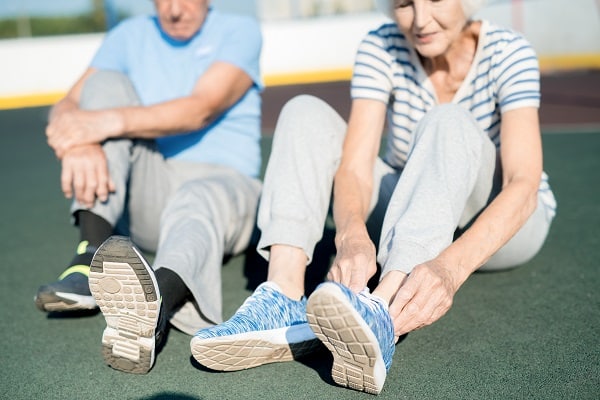
Many factors can contribute to a fall, but one of the most important is proper footwear. Shoes that are too big or too small can throw off your balance, and shoes with slippery soles can make it easy to lose your footing. In addition, shoes with high heels or narrow toe boxes can make it difficult to walk safely. Wearing proper footwear is an essential part of preventing falls for seniors. Shoes should fit snugly and provide good support, with a non-slip sole that can grip the ground securely. With the right shoes, seniors can stay safe on their feet and avoid the potentially devastating consequences of a fall. If you need help finding the right pair for you, consult with a podiatrist or shoe specialist. They will be able to assess your feet and recommend shoes that will provide the support and stability you need.