Aging is a natural, inevitable process, yet it often comes with concerns and misconceptions. This blog post aims to dispel fears and provide practical strategies to navigate the complexities of growing older. By adopting a proactive approach, it’s possible to age gracefully and healthfully, embracing the wisdom and experience that comes with time. The journey of aging need not be a path of decline but can be a period of growth, learning, and enrichment, with the right mindset and lifestyle choices.
Contents
Eat A Healthy Diet

A balanced diet plays a crucial role in aging well. Nutrient-rich foods bolster the immune system, reduce the risk of chronic diseases, and contribute to overall vitality. It’s essential to focus on a variety of fruits, vegetables, lean proteins, and whole grains while minimizing processed foods and sugar. Antioxidants, found abundantly in berries, leafy greens, and nuts, combat oxidative stress and inflammation, two culprits in the aging process. Making informed food choices can significantly enhance physical health and provide the energy needed to enjoy life’s later years.
As the body ages, its nutritional needs and metabolism change, presenting unique dietary challenges. Maintaining a healthy weight becomes increasingly difficult, making portion control and nutrient-dense foods paramount. Hydration is another critical aspect often overlooked; water supports every cell and function in the body. Practical tips, such as planning meals ahead, incorporating a variety of colors on the plate, and understanding the body’s hunger and fullness cues, can simplify healthy eating. Cultivating a positive relationship with food ensures that meals are not just nourishing but also a source of pleasure and comfort.
Stay Physically Active

Physical activity is a cornerstone of longevity and well-being. Regular exercise maintains muscle strength, enhances flexibility, and supports cardiovascular health, all of which are vital for independence and quality of life in later years. It’s not about high-intensity workouts or becoming an athlete; rather, it’s about finding enjoyable, sustainable ways to move more every day. Walking, swimming, yoga, or even gardening can provide significant health benefits, helping to keep the body strong and resilient against age-related changes.
Barriers to physical activity, such as lack of time, motivation, or fear of injury, are common yet can be overcome with the right approach. Starting with small, achievable goals and gradually increasing intensity and duration can make exercise a regular part of the routine. It’s also important to find activities that are enjoyable, turning exercise into a rewarding part of the day rather than a chore. Social forms of exercise, like joining a walking group or taking a dance class, can also provide the added benefit of community and support, making physical activity a joy rather than an obligation.
Prioritize Mental Health
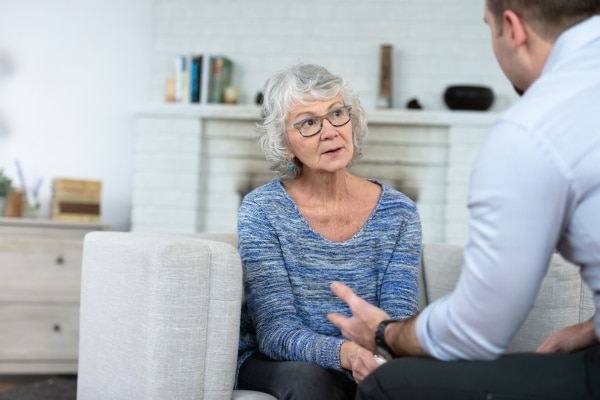
Mental well-being is as crucial as physical health in the aging process. Stress, if left unmanaged, can take a toll on the body, accelerating aging and increasing the risk of health issues. Adopting stress management techniques such as mindfulness, meditation, or deep-breathing exercises can significantly reduce stress levels. Hobbies and activities that bring joy and relaxation are also vital, providing a sense of accomplishment and happiness. Regular engagement in such practices nurtures the mind, fortifying it against the pressures of aging.
Cognitive health, a critical aspect of mental well-being, requires attention and care. Activities that challenge the brain, like puzzles, reading, or learning a new skill, keep the mind sharp and can ward off cognitive decline. Social interactions, too, play a role in stimulating the mind and preventing feelings of loneliness and isolation. Balancing relaxation with mental stimulation creates a healthy mental environment, promoting longevity and a higher quality of life.
Engage In Lifelong Learning

Lifelong learning keeps the mind active and engaged, promoting cognitive health and personal fulfillment. Taking up a new hobby, learning a language, or pursuing a new area of study can invigorate the mind and contribute to a sense of purpose and self-improvement. These pursuits not only enhance cognitive function but also provide opportunities for social interaction and personal growth, enriching life in later years.
Access to learning has never been more convenient, with countless resources available online and in communities. Libraries, local community centers, and online platforms offer courses, workshops, and seminars on a wide range of topics. Starting a learning journey, regardless of age, brings a sense of accomplishment and joy, proving that growth and development are lifelong processes.
Regular Health Check-ups

Preventive healthcare is paramount in managing and understanding the aging process. Regular health check-ups and screenings can detect issues early when they are most treatable, providing peace of mind and a clear plan for maintaining health. Staying informed about personal health status empowers individuals to make knowledgeable decisions about their lifestyle and medical care.
Navigating the healthcare system can be challenging, yet it’s crucial for advocating for personal health needs. Understanding what questions to ask healthcare providers, keeping track of medications, and being aware of common age-related health concerns can enhance the effectiveness of medical care. Establishing a partnership with healthcare providers ensures a supportive network, guiding individuals toward optimal health and well-being.
Foster Social Connections
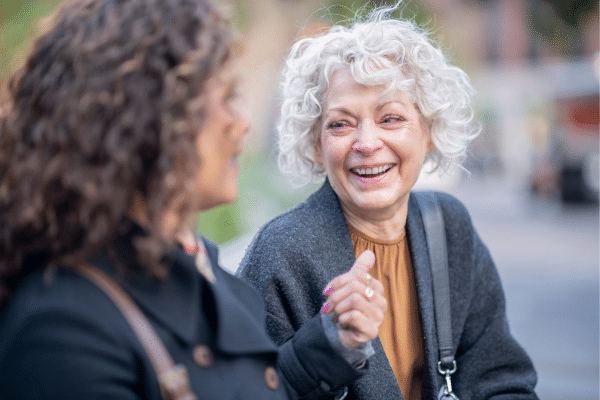
Social relationships have a profound impact on physical and mental health, influencing longevity and quality of life. Maintaining strong connections with friends, family, and the community provides emotional support and reduces feelings of loneliness and isolation. Regular social interaction stimulates the mind, offers a sense of belonging, and can even boost the immune system, proving that human connection is a fundamental aspect of well-being.
Building and sustaining social connections in later life might require effort, especially as circumstances change. Joining clubs, volunteering, or engaging in community activities provides opportunities to meet new people and maintain social skills. Technology also offers innovative ways to stay in touch with loved ones, bridging distances and ensuring that relationships continue to thrive despite any physical limitations.
Embrace Technology And Innovation
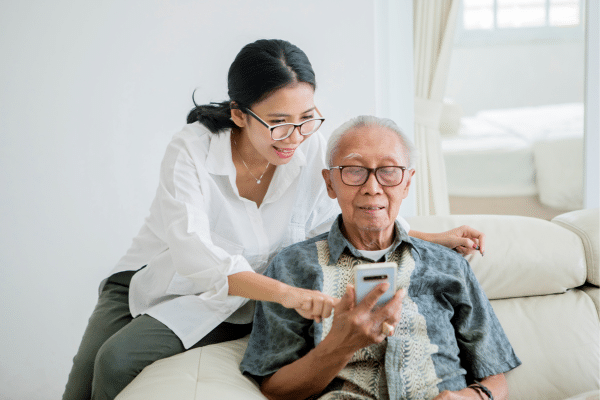
Technology and innovation can significantly enhance the quality of life for older adults. From health monitoring devices that track vital signs to apps that promote mental agility and social connectivity, technology offers tools to maintain independence and well-being. Embracing these advancements can lead to more informed health decisions, easier communication with loved ones, and more accessible entertainment and education.
However, the digital world can be daunting, requiring a willingness to learn and adapt. Starting with the basics and advancing at a comfortable pace can make the process less overwhelming. It’s important to approach technology with an open mind, recognizing its potential to improve daily life. Safety is also paramount; learning how to navigate the digital world securely protects privacy and personal information, ensuring a positive and beneficial technological experience.
The Bottom Line
Aging is an inevitable, natural process, yet it holds the potential for growth, enrichment, and deep satisfaction. The strategies outlined in this post provide a roadmap for navigating this journey with grace and vitality. By focusing on holistic well-being, embracing lifelong learning, and fostering meaningful connections, the later years can be some of the richest and most fulfilling. The journey of aging, approached with the right mindset and actions, can be a time of unparalleled growth and happiness.