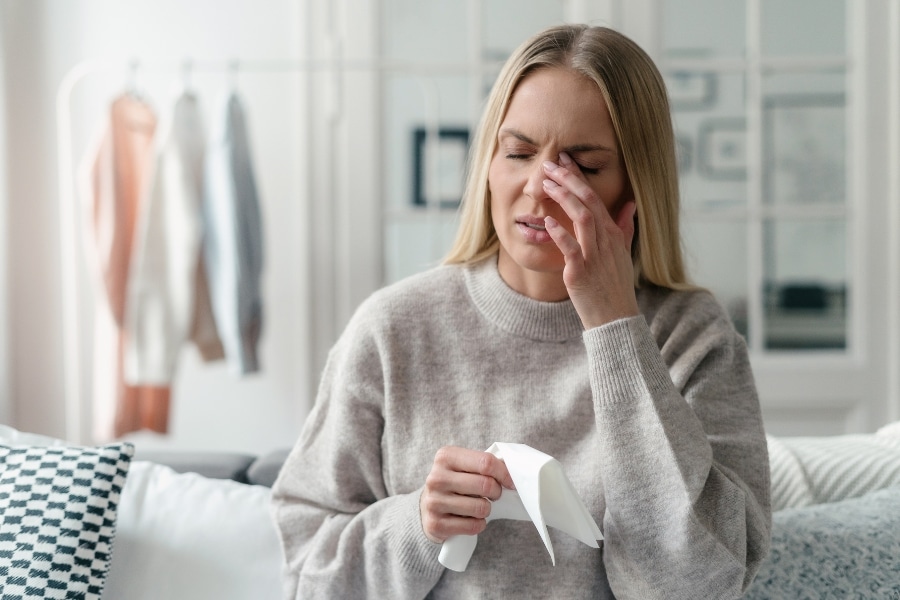
As the seasons shift, the likelihood of encountering common illnesses such as colds, flu, and allergies increases significantly. It’s crucial to adopt proactive measures to safeguard health. This post is dedicated to providing essential knowledge and actionable strategies to prevent getting sick as the weather changes. From understanding the nature of these illnesses to enhancing immunity, practicing good hygiene, and considering the importance of vaccinations, this guide comprehensively covers the essential steps to maintain health during challenging seasonal transitions.
Contents
Identifying Seasonal Illnesses and Their Causes

Seasonal illnesses refer to those health conditions that show a higher incidence in certain seasons. Factors like temperature shifts and indoor living habits contribute to this trend. The flu, colds, and allergies are typical examples, each with unique symptoms and causes. Colder months often see a rise in flu and cold cases due to favorable conditions for viruses and closer indoor proximity of people. The spread of these illnesses is often influenced by climatic factors, with the immune system being less effective in colder, drier conditions and certain allergies being triggered by specific seasonal elements like pollen.
Understanding the reasons behind the seasonality of these illnesses is crucial. The immune system’s efficacy can diminish in certain seasonal conditions, making the body more susceptible to infections. For instance, allergies often flare up in response to specific environmental allergens prevalent in certain seasons, like springtime pollen. Recognizing these patterns is key to preparing and protecting oneself during high-risk periods. By being aware of these seasonal trends, individuals can take proactive steps to reduce their risk of falling ill.
Strengthening Your Immune System

A strong immune system is crucial in warding off seasonal illnesses. Consuming a diet rich in fruits, vegetables, and whole grains provides essential nutrients like vitamins C and E, which are known to enhance immunity. Regular physical activity is another critical component, improving circulation and the overall function of the body. Such habits lay a strong foundation for a resilient immune system.
The importance of adequate sleep cannot be overstated when it comes to immune health. Insufficient sleep can weaken the immune response, increasing susceptibility to infections. Adults should aim for 7-9 hours of restful sleep each night. Managing stress through practices like meditation or yoga can also have a positive impact, as prolonged stress is known to impair immune function.
Hygiene Habits to Prevent Illness

Maintaining good hygiene is critical in preventing the spread of seasonal illnesses. Regular and thorough hand washing with soap and water is a simple yet effective way to eliminate germs. Covering one’s mouth and nose with a tissue or elbow when coughing or sneezing helps prevent the dissemination of airborne pathogens. Such basic practices are key to minimizing the risk of illness.
Disinfecting commonly touched surfaces like doorknobs, smartphones, and keyboards can further reduce the likelihood of contracting illnesses. It is also advisable not to share personal items such as toothbrushes, towels, and eating utensils, as they can be conduits for germ transmission. Keeping personal hygiene and living spaces clean is particularly important in shared environments.
The Role of Vaccinations
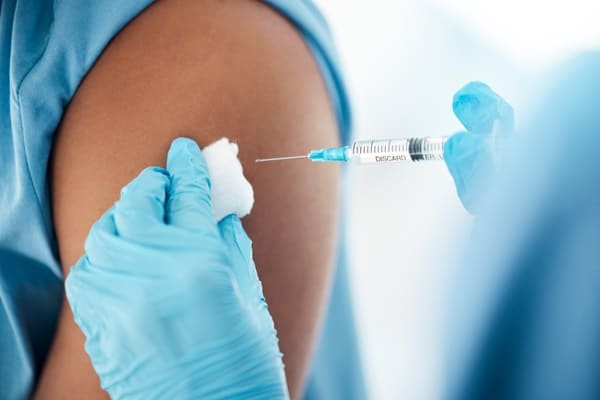
Vaccinations are a pivotal element in preventing seasonal illnesses, particularly those caused by viruses. Vaccines train the immune system to recognize and combat specific pathogens, providing a crucial line of defense. Annual flu shots, for example, are developed based on predictions of the most prevalent flu strains for the upcoming season. Understanding and utilizing vaccinations is an important aspect of public health.
Contrary to some misconceptions, vaccines are thoroughly tested and monitored for safety and efficacy, making them a reliable preventive measure. Staying current with recommended vaccinations not only protects the individual but also aids in community health by curtailing the spread of contagious diseases. Embracing vaccinations is a vital step in the collective effort to maintain public health during seasonal changes.