Contents
Safety and Considerations

Delving into the world of herbal remedies requires both enthusiasm and caution. While many herbs offer a plethora of benefits, it’s crucial to recognize that they can also pose risks if consumed improperly or in excessive amounts. For example, St. John’s Wort, often used as a natural remedy for depression, can interact negatively with certain prescription medications, affecting their efficacy. Similarly, while garlic is known for its cardiovascular benefits, excessive consumption can lead to stomach issues and impact blood thinners.
It’s also worth noting that not all herbal products available in the market undergo rigorous testing for purity or potency. The variation in preparation methods, whether it’s in teas, tinctures, or capsules, can influence how the body absorbs and reacts to the herb. Therefore, anyone keen on exploring herbal remedies should do so with comprehensive research, ensuring they source quality products. Consulting professionals, especially for those on other medications, is paramount to ensure safe and effective use.
Growing Your Own Healing Garden

Cultivating a personal garden filled with medicinal herbs can be a rewarding endeavor. Not only does it offer the satisfaction of nurturing plants, but it also provides the gardener with a ready supply of fresh, organic herbs. A simple patch of land or even container gardening can be the starting point. Herbs like basil, mint, and rosemary are not only easy to grow but also versatile in their uses, ranging from culinary delights to therapeutic applications.
Additionally, nurturing a healing garden is about more than just the herbs themselves. The very act of gardening has been shown to have therapeutic benefits. It promotes physical activity, offers a connection to the earth, and provides a sense of accomplishment as the plants flourish. A garden becomes a sanctuary, a space for reflection and connection, where the beauty and utility of nature merge, fostering well-being in more ways than one.
Combining Herbs for Synergistic Benefits
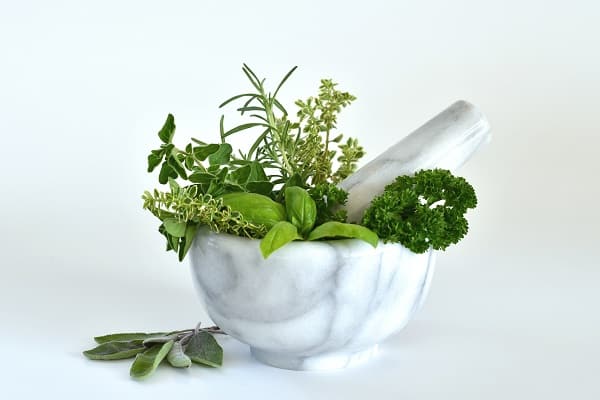
The art of herbalism often goes beyond the use of a single plant. Many traditional remedies blend multiple herbs, creating a synergistic effect where the combined benefits surpass those of each individual herb. For instance, combining black pepper with turmeric can enhance the absorption of curcumin, the primary beneficial compound in turmeric, thus amplifying its anti-inflammatory effects. Similarly, pairing valerian root with lemon balm might produce a more potent calming effect, useful for those struggling with anxiety or insomnia.
Another famous blend found in traditional Chinese medicine is Astragalus and Ginseng. This combination aims to boost the immune system and increase energy levels. In Ayurveda, a traditional Indian system of medicine, “Triphala”—a mix of three fruits: Amalaki, Bibhitaki, and Haritaki—is often used to promote digestion and detoxification. Such combinations, rooted in centuries of observation and experience, underscore the importance of understanding how herbs interact with each other, amplifying benefits or potentially mitigating side effects.
Herbs vs. Pharmaceuticals: A Balanced View

Herbal remedies and pharmaceuticals often find themselves juxtaposed in discussions about health and well-being. It’s undeniable that pharmaceuticals, backed by rigorous research and testing, play a critical role in modern medicine, addressing ailments from acute infections to chronic conditions. However, herbs, with their millennia of traditional use, offer a holistic approach, focusing on overall balance and wellness rather than only symptom management.
That said, neither approach is universally superior. While some conditions might benefit from the targeted action of pharmaceuticals, others might respond well to the gentle, multifaceted effects of herbs. It’s also worth noting that many pharmaceuticals have their origins in plant compounds, showcasing the deep-rooted connection between nature and modern medicine. Ideally, a balanced perspective embraces the strengths of both approaches, recognizing that herbs and pharmaceuticals can coexist, complementing each other in the pursuit of optimal health.
The Bottom Line
Navigating the vast landscape of herbal remedies requires a blend of curiosity, respect, and caution. While the earth generously offers countless herbs, each with its unique set of benefits, understanding their properties and interactions remains paramount. As more individuals turn to nature for healing, it becomes essential to bridge the wisdom of the past with contemporary knowledge. Herbal remedies, when approached thoughtfully, hold the potential to be a powerful ally in the journey towards health and well-being.