Since ancient times, mankind has turned to the earth for remedies, seeking solace in the leaves, roots, and blossoms of the plants that grow around us. With the passage of time, this ancient art of herbal healing has evolved and branched into various practices and traditions across cultures. Today, as more individuals gravitate towards natural treatments, herbal remedies experience a resurgence, bridging the age-old wisdom of your ancestors with modern scientific understanding.
History of Herbal Remedies
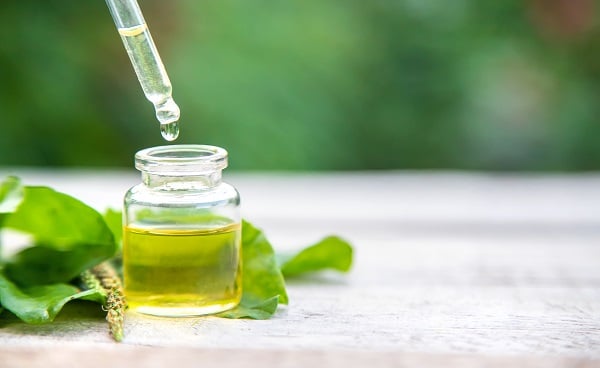
In the annals of history, one can trace the profound relationship between humans and herbs. Civilizations like Ancient China, Egypt, and India have meticulously documented their uses of plants for therapeutic purposes. Not just a product of myth or legend, these documents provide evidence that societies depended on plants for healing long before the advent of modern medicine. As eras passed, this knowledge was not forgotten; instead, it was passed down, preserved through oral traditions, manuscripts, and even artworks, ensuring future generations would continue to harness the powers of the earth.
The connection between herbs and healing is not limited to a single region or culture. From the shamans in the Americas to the apothecaries in medieval Europe, every corner of the world has its unique herbal lore. Each community, based on its environment and needs, developed its distinct practices, often intertwining spiritual beliefs with practical application. This rich tapestry of herbal traditions reflects humanity’s shared desire to understand and utilize nature’s bounty for well-being.
The Science Behind Herbal Remedies

As the interest in herbal remedies grows in the modern era, science has played a pivotal role in validating and explaining the efficacy of these plants. At the heart of many herbs are potent compounds—alkaloids, flavonoids, and terpenes—that interact with the human body in varied ways. For instance, some compounds might act as natural pain relievers, while others may have anti-inflammatory or antioxidant properties. These compounds, sometimes subtle in their effects, often work in harmony, offering a holistic approach to healing rather than targeting a single symptom.
While the allure of herbal remedies is undeniable, it’s essential to approach them with a critical mind. Misconceptions abound, sometimes leading to misuse or over-reliance on herbs without a proper understanding of their properties. Not every herb suits every individual, and dosages can vary based on a multitude of factors. However, with thorough research and the synthesis of ancient knowledge with modern studies, herbal remedies can be both a fascinating and beneficial part of a holistic health approach.
Popular Herbs and Their Uses

The vast world of herbal remedies boasts countless plants, each possessing unique properties and benefits. Turmeric, for instance, has been lauded for its anti-inflammatory properties, often used in both culinary and medicinal preparations. Ginger, another versatile herb, is not only a staple in many global cuisines but is also revered for its abilities to alleviate digestive discomfort and nausea. Echinacea, native to North America, has been a go-to remedy for those seeking to boost their immune system, especially during cold and flu season.
Lavender, with its soothing scent, has been a favorite in aromatherapy for promoting relaxation and alleviating stress. Meanwhile, ginseng, a root indigenous to East Asia, is often sought after for its potential to enhance stamina and reduce fatigue. And let’s not forget chamomile, a gentle herb often brewed into teas, known for its calming effects and potential benefits in improving sleep patterns. These are but a glimpse into the extensive roster of herbs that individuals incorporate into their daily lives for both healing and preventative care.