Creating a Safe Space

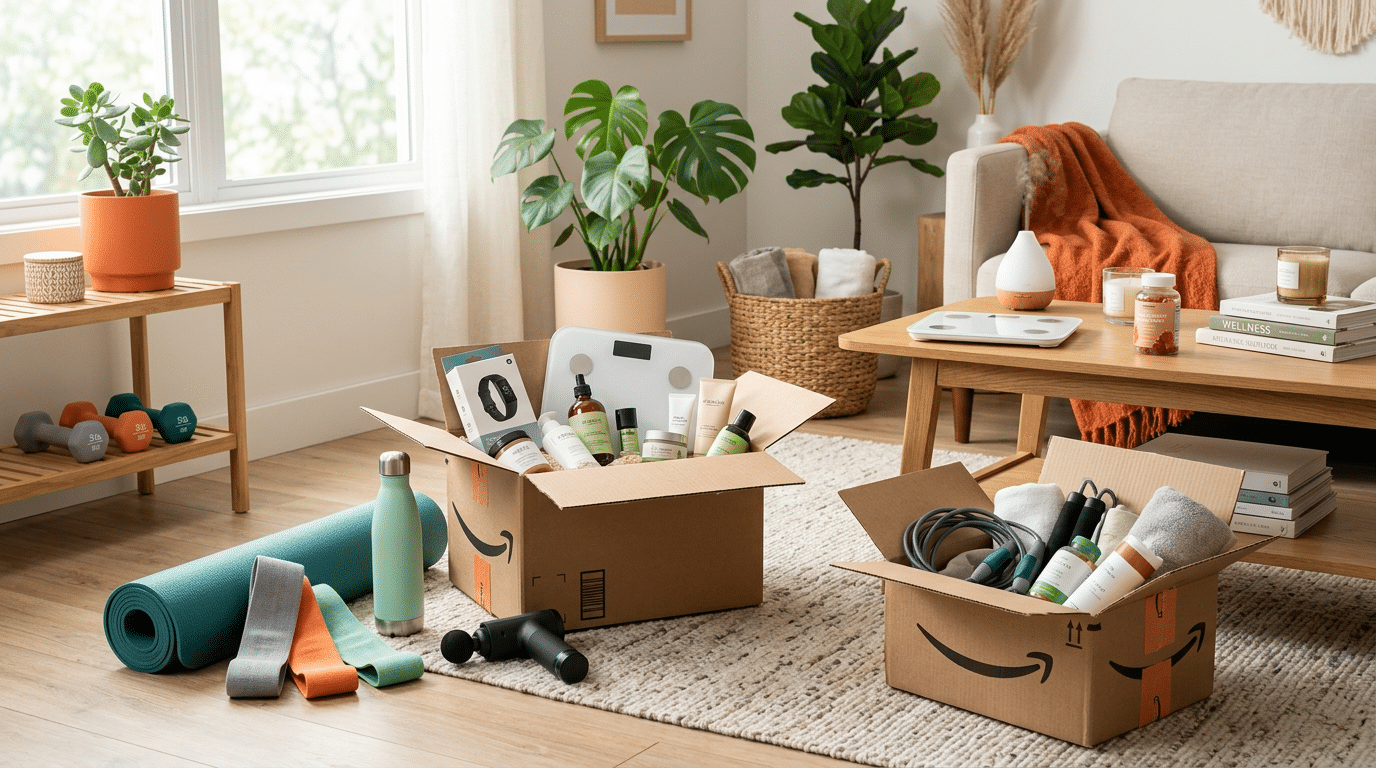
Creating a physical environment that promotes relaxation and safety can be crucial in managing panic attacks. This could involve designing a specific area in one’s home dedicated to relaxation, where calming activities can be practiced. Elements such as soft lighting, comfortable seating, and personal items that evoke a sense of peace and happiness can make this space more effective.
The use of sensory objects, such as stress balls, scented candles, or soothing music, can enhance the calming effect of the safe space. These items can focus on the senses and help in grounding techniques. A designated safe space provides a retreat to practice other panic management techniques in a comfortable and controlled environment.
Lifestyle Modifications

Adopting certain lifestyle changes can significantly reduce the frequency and intensity of panic attacks. Regular physical exercise, for instance, has been shown to lower stress levels and improve mood, decreasing the likelihood of panic attacks. Exercise releases endorphins, natural mood lifters that can provide a sense of calm and well-being.
A balanced diet and adequate sleep are also crucial in managing anxiety. Foods high in sugar and caffeine can increase the likelihood of panic attacks by stimulating the nervous system, so reducing their intake can be beneficial. Establishing a regular sleep schedule enhances overall mental health, reducing fatigue and irritability, which can be triggers for panic attacks. By maintaining a healthy lifestyle, individuals can build a strong foundation for managing anxiety and reducing the frequency of panic attacks.
Seeking Professional Help

When self-help strategies are not sufficient, seeking professional help can be a critical step in managing panic attacks. Mental health professionals like therapists and counselors can provide personalized guidance and support. They can offer techniques like Cognitive Behavioral Therapy (CBT), which helps in changing negative thought patterns that contribute to panic attacks.
Professional help can also involve medication in some cases, especially when panic attacks are severe or frequent. It is important to consult with a healthcare provider to determine the best course of treatment. Seeking help from professionals can provide additional strategies and support unavailable through self-help methods alone.
Developing a Personalized Plan

Every individual experiences panic attacks differently, so it is important to develop a personalized plan that addresses specific needs and triggers. This plan could include a combination of the techniques discussed, tailored to what works best for the individual. Keeping a journal to track panic attacks and responses can help in identifying effective strategies and patterns.
The plan should also include a list of triggers, warning signs, and steps to take when a panic attack begins. This proactive approach empowers individuals to feel more in control and prepared to handle panic attacks when they occur. Regular review and adjustment of the plan ensure it remains effective and relevant.
The Bottom Line
Managing panic attacks is a journey that involves a combination of self-help strategies, lifestyle changes, professional guidance, and support from loved ones. Individuals can regain control over their lives by recognizing the early signs, practicing controlled breathing and grounding techniques, and developing a personalized management plan. It’s important to remember that managing panic attacks is a process, and what works for one person may not work for another. The key is to remain patient, persistent, and open to different methods until the right combination is found. With the right tools and support, overcoming panic attacks is a realistic and achievable goal.