Sleepwear and Environment

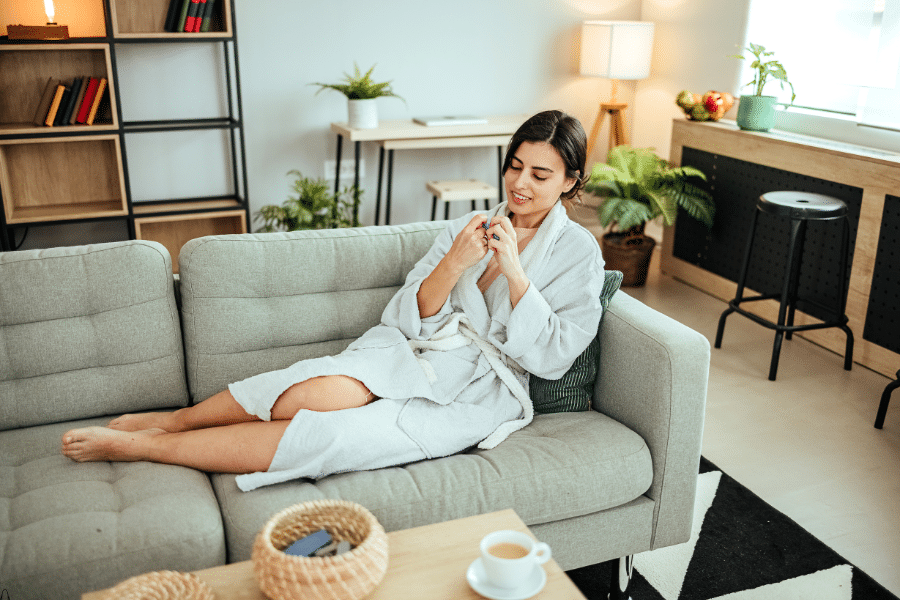
The choice of sleepwear can significantly influence your body temperature throughout the night. Natural fibers like cotton or bamboo are breathable and promote air circulation, helping to wick away moisture and reduce heat retention. On the other hand, synthetic fibers might trap heat and hinder temperature regulation, leading to a warmer sleep experience. It’s not just about the material; the fit of your sleepwear can also impact how well air circulates around your body, affecting your overall comfort and temperature.
The overall sleep environment extends beyond just clothing to include bedding and the bedroom itself. The type of sheets, the mattress, and even the pillow can contribute to heat buildup. For instance, lighter, breathable linen sheets and airflow-promoting mattresses can help maintain a cooler environment. Additionally, the ambient temperature and humidity of the room play a significant role. A well-ventilated space with a bit of cool air can be the key to preventing overheating during the night.
Physical and Psychological Stress

Stress and anxiety can lead to increased body temperature, particularly during the night. The body’s stress response, often referred to as “fight or flight,” can raise heart rate and blood flow, consequently increasing body heat. Physical stress, such as engaging in vigorous exercise close to bedtime, can also keep body temperatures elevated, making it difficult to fall asleep or stay asleep comfortably. Recognizing and addressing these sources of stress can help mitigate their impact on sleep temperature.
In addition to immediate physical effects, psychological stress can disrupt sleep patterns, leading to more frequent awakenings and a heightened sense of heat discomfort. Techniques such as mindfulness, meditation, or gentle yoga before bed can help calm the mind and prepare the body for a cooler, more restful night. Establishing a routine that promotes relaxation and stress reduction can not only improve sleep quality but also help regulate nighttime body temperature.
Age-Related Changes

As you age, your body undergoes various changes that can affect how you regulate temperature during sleep. Older adults may experience a decrease in metabolic rate and changes in circulatory functions, which can alter heat distribution and dissipation. These physiological changes, combined with potential age-related health conditions, make temperature regulation increasingly challenging. Understanding these shifts can guide older individuals and their caregivers in creating a more suitable sleeping environment.
For younger individuals, particularly children and teenagers, their bodies are still developing the efficiency of thermoregulation. They might experience different patterns of heat production and loss compared to adults. Parents and caregivers should consider these developmental aspects when creating a sleeping environment for younger family members. Tailoring bedding, room temperature, and sleepwear to the age-specific needs of each individual can help maintain a comfortable and healthy sleep temperature for all.
Practical Solutions and Tips

To combat the discomfort of overheating during sleep, consider investing in cooling bedding, such as gel-infused mattresses, pillows, or moisture-wicking sheets. These products are designed to facilitate heat dispersion and enhance airflow, contributing to a cooler sleep environment. Additionally, experimenting with the thermostat or using fans can help regulate room temperature, while humidifiers or dehumidifiers adjust moisture levels for optimal comfort.
Beyond products and gadgets, simple behavioral changes can make a significant difference. Establish a pre-bedtime routine that includes winding down in a cooler part of the house, taking a warm shower (which paradoxically helps cool down the body by dilating blood vessels and releasing heat), or practicing relaxation techniques. Regularly reviewing and adjusting your sleep environment and habits in response to changes in your health, lifestyle, or the seasons can help maintain a consistently comfortable and cool sleeping experience.
Make Every Night a Cool Comfort
Understanding and managing the factors contributing to overheating during sleep is essential for achieving restful, healthy slumber. By addressing both internal and external influences, from diet and stress to sleepwear and bedroom environment, you can create conditions conducive to cooler nights. Remember, small changes can have a big impact on your sleep quality. So, start experimenting with the tips provided and take proactive steps towards a cooler, more refreshing night’s sleep.