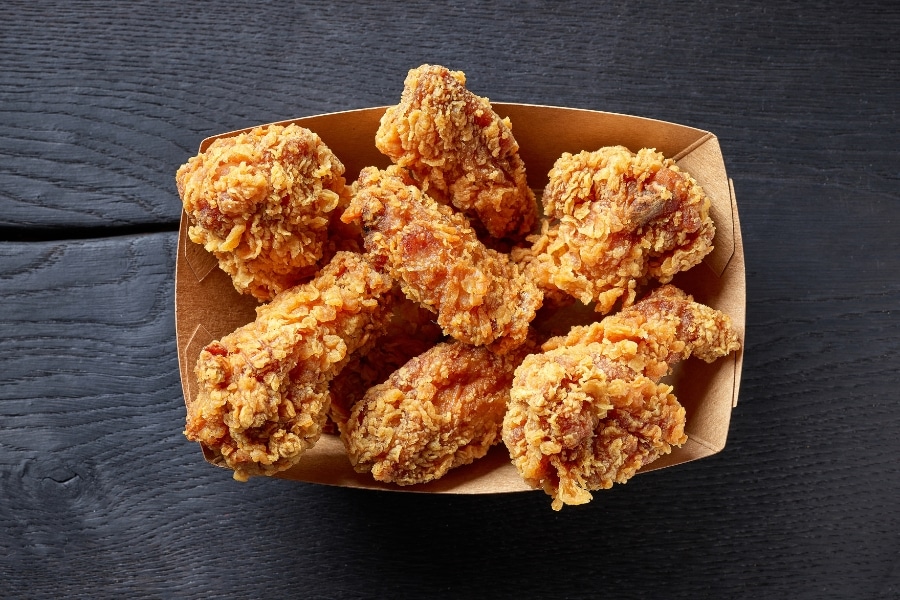
Late-night snacking can be tempting, but the wrong food choices after 7 PM can significantly impact your health and sleep quality. Your body’s natural rhythms slow down in the evening, making it harder to digest certain foods or process excess calories efficiently. Eating the wrong foods late at night can lead to issues like indigestion, poor sleep, and unwanted weight gain. This article explores seven food categories that should be avoided after 7 PM to protect your health, support restful sleep, and ensure you wake up feeling refreshed. Let’s uncover the hidden culprits behind disrupted evenings and sluggish mornings.
Spicy Foods That Disrupt Sleep

Spicy foods may be delicious, but eating them late at night can wreak havoc on your digestive system. Ingredients like chili peppers, hot sauces, and spices stimulate the production of stomach acid, often leading to heartburn or acid reflux. These symptoms become particularly troublesome when lying down, as gravity no longer helps keep stomach acid in place. This irritation not only affects digestion but can also interrupt your ability to fall and stay asleep.
In addition to causing discomfort, spicy foods increase your body temperature, making it harder to cool down and achieve restful sleep. Capsaicin, the compound that gives chili peppers their heat, can overstimulate your metabolism, leaving you restless in bed. Over time, this can disrupt your sleep cycle and impact your energy levels during the day. To avoid these issues, it’s best to save spicy dishes for lunchtime or early evening meals.
Sugary Treats That Spike Blood Sugar

Sugary treats might seem like a harmless indulgence, but consuming them late at night can lead to major sleep disruptions. Foods like cookies, ice cream, and candy cause a rapid spike in blood sugar levels, giving you a short burst of energy. However, this is quickly followed by a sharp crash, leaving you feeling restless and unable to settle into a deep sleep. The fluctuating blood sugar levels can also trigger nighttime awakenings, making it harder to achieve restorative rest.
Sugar also stimulates the release of stress hormones, such as cortisol, which can make relaxation difficult. Over time, this habit not only sabotages sleep but also affects overall health by increasing the risk of weight gain and metabolic disorders. Cutting out sugary treats in the evening can help stabilize blood sugar levels and improve sleep quality. For a healthier alternative, opt for natural snacks like fresh fruit earlier in the day to satisfy your sweet tooth.
High-Fat Foods That Overwork Your Digestive System
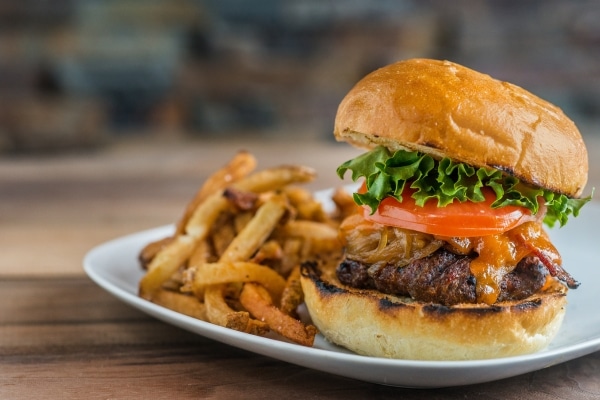
High-fat foods can feel comforting, but they are one of the worst choices for late-night eating. Meals rich in fats, like burgers, fried snacks, or creamy sauces, take longer to digest, putting unnecessary strain on your stomach. This delayed digestion can lead to bloating and discomfort, particularly when your body is trying to wind down for the night. As digestion slows even further during sleep, high-fat meals can cause acid reflux and disturb your rest.
In addition to digestive issues, fatty foods can interfere with your body’s natural repair processes during sleep. Instead of focusing on rest and recovery, your system spends the night working overtime to process the heavy meal. Regularly eating high-fat foods before bed can also contribute to long-term health issues, including weight gain and heart problems. To avoid these complications, opt for lighter meals in the evening that are easier for your body to manage.