Beef, Pork, And Chicken

Raw or undercooked beef, pork, and chicken pose significant health risks due to potential contamination with pathogens like E. coli, Salmonella, and Trichinella. These pathogens can cause serious foodborne illnesses, with symptoms ranging from mild gastrointestinal discomfort to more severe conditions. Ensuring these meats are cooked to the appropriate internal temperature is essential for safety. For beef and pork, this is 145°F (63°C), followed by a three-minute rest time, and for chicken, the safe internal temperature is 165°F (74°C).
Cross-contamination is another concern when handling raw meat. Utensils, cutting boards, and surfaces that come into contact with raw meat should be thoroughly cleaned before being used for other foods. This prevents the spread of bacteria from raw meat to other ingredients that may not be cooked, such as salads or garnishes. By adhering to these cooking and handling guidelines, one can enjoy these meats safely and reduce the risk of foodborne illness.
Cassava

Cassava, a root vegetable widely consumed in many parts of the world, contains cyanogenic glycosides, which can release cyanide in the body when eaten raw. These compounds can cause cyanide poisoning, characterized by dizziness, headaches, and even life-threatening complications. Proper preparation, including peeling and thorough cooking, is necessary to reduce the risk. It is advisable to soak cassava in water for at least 24 hours before cooking, as this helps to leach out harmful toxins.
Boiling is the most effective method of cooking cassava to remove toxins. The cooking water should be discarded, as it absorbs the harmful compounds released from the cassava. This root vegetable, once properly prepared, offers a rich source of carbohydrates and can be a healthy part of a balanced diet. However, awareness and careful preparation are key to ensuring its safety for consumption.
Eggplant
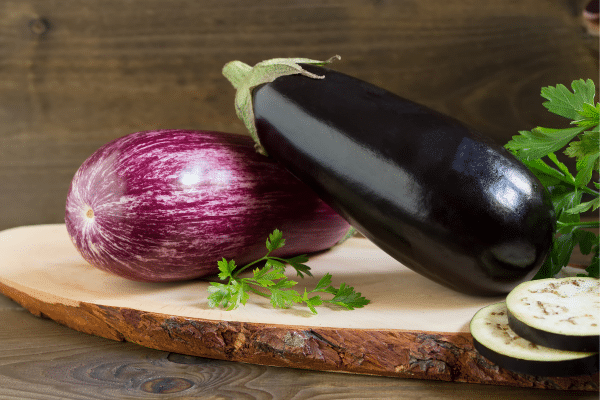
Eggplant, known for its versatile use in various cuisines, contains solanine, a compound that can cause gastrointestinal issues if ingested in large quantities. While the levels of solanine in eggplant are generally lower compared to other nightshade vegetables like potatoes, caution is still advised. Cooking eggplant thoroughly reduces the solanine content, making it safer and more digestible.
When selecting eggplants, opt for younger, smaller ones as they tend to have lower solanine levels. Baking, roasting, or grilling eggplant until it is soft ensures that it is both safe to eat and delicious. The cooking process breaks down the compounds, mitigating the risk of solanine-related discomfort. This allows the enjoyment of eggplant’s rich flavors and nutritional benefits without concern.
Mushrooms
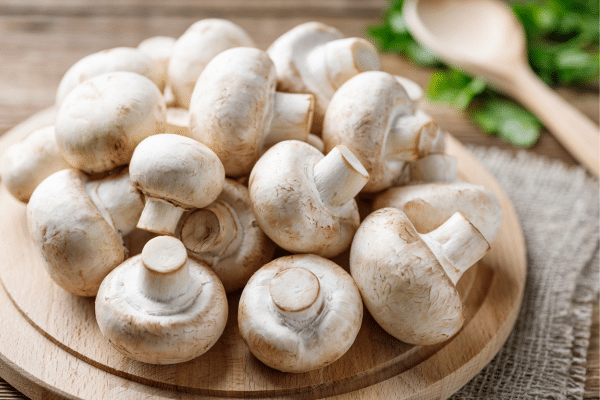
Certain varieties of mushrooms can be harmful when eaten raw due to the presence of toxins and tough cell walls that are difficult to digest. Some mushrooms also contain small amounts of carcinogenic compounds that are broken down when cooked. Cooking mushrooms not only makes them safer to eat but also releases their nutrients, making them more beneficial.
When consuming mushrooms, it’s crucial to be knowledgeable about the different types. Some wild mushrooms are highly toxic and should never be consumed, whether cooked or raw. Store-bought mushrooms are generally safe, but should still be cooked to enhance their flavor and digestibility. The process of cooking mushrooms, such as sautéing, roasting, or grilling, breaks down their tough cell walls and makes their nutrients more accessible.
The Bottom Line
Awareness of the foods that pose risks when consumed raw is key to maintaining good health. The highlighted items – potatoes, red kidney beans, eggs, beef, pork, chicken, cassava, eggplant, and mushrooms – each carry specific risks when not properly prepared. By understanding these risks and following recommended cooking practices, the safety and nutritional value of these foods can be maximized. Cooking not only neutralizes potentially harmful compounds but also enhances flavor, making meals both delicious and safe. This knowledge empowers individuals to make informed choices in their diets, ensuring a balance of safety and enjoyment in their culinary experiences.