
Alcoholic Beverages

Alcoholic beverages, when consumed in excess, pose significant health risks including liver disease, addiction, and other chronic conditions. Alcohol contains empty calories and can lead to weight gain and a reduction in nutritional quality of the diet. It also impacts judgment and mental health, making moderation essential. Understanding the risks associated with excessive alcohol consumption is the first step towards responsible drinking.
Guidance on moderate drinking varies, but the key is consistency and control. Choosing lower-alcohol options and setting personal limits can help. Additionally, alternating alcoholic drinks with water can reduce overall intake. It’s also beneficial to have several alcohol-free days each week, allowing the body time to recover and maintain a healthy balance.
Refined Grains
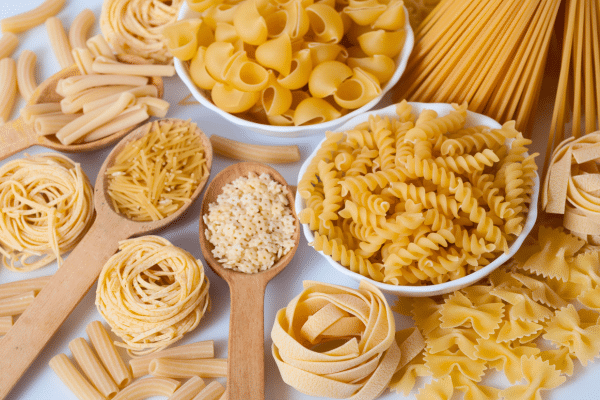
Refined grains, such as white bread and pasta, have been stripped of their nutritional value during processing. This results in a high glycemic index, which can lead to rapid spikes in blood sugar and insulin levels. These spikes are not only harmful for those with diabetes but can also lead to energy crashes and hunger, encouraging overeating. Incorporating whole grains instead of refined grains can provide longer-lasting energy and a range of health benefits.
Whole grain alternatives, like whole wheat bread, brown rice, and quinoa, are rich in fiber, vitamins, and minerals. Gradually incorporating these into meals can make the transition easier. For instance, mixing white and brown rice or choosing whole grain pasta can be a good start. This shift not only improves dietary quality but also aids in maintaining a healthy weight and reducing the risk of chronic diseases.
Salty Snacks
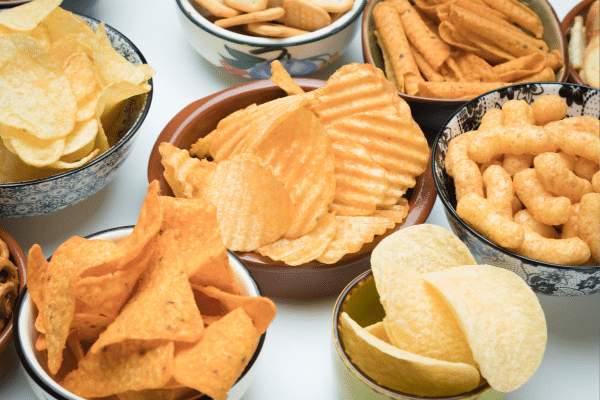
Salty snacks, such as chips and pretzels, are often high in sodium and can contribute to high blood pressure and heart disease. They’re typically low in nutritional value, providing empty calories that can lead to weight gain. The addictive nature of salt can also lead to overconsumption, making moderation challenging. Understanding the health implications of high sodium intake is crucial for making informed dietary choices.
Healthier snack options with lower sodium content are readily available and can be just as satisfying. Options like unsalted nuts, seeds, and fresh or dried fruits offer nutritional benefits without the excessive salt. Reading labels to understand sodium content and choosing reduced-sodium versions of favorite snacks can also help in reducing overall salt intake.
Fried Foods

Fried foods, although appealing for their taste and texture, are high in calories and unhealthy fats. Consuming them regularly can lead to obesity, heart disease, and high cholesterol. The high heat used in frying can also produce harmful compounds, like acrylamide, which are associated with health risks. Moderation is crucial when it comes to these indulgent foods.
Healthier cooking methods, such as baking, grilling, or air frying, can offer similar flavors and textures with significantly less fat. Incorporating these methods into regular cooking routines can be a simple yet effective way to reduce consumption of fried foods. When choosing to indulge, doing so in small quantities and less frequently can help maintain a balanced diet without completely forgoing these treats.
The Bottom Line
Balance and moderation are key elements of a healthy diet. Recognizing which foods to consume in moderation can significantly impact long-term health and well-being. It’s not about eliminating favorite foods but about finding a healthy balance that works for each individual. By making informed choices and enjoying a variety of foods in moderation, it’s possible to enjoy a rich and varied diet that supports overall health.