Contents
Trans Fats and Packaged Baked Goods
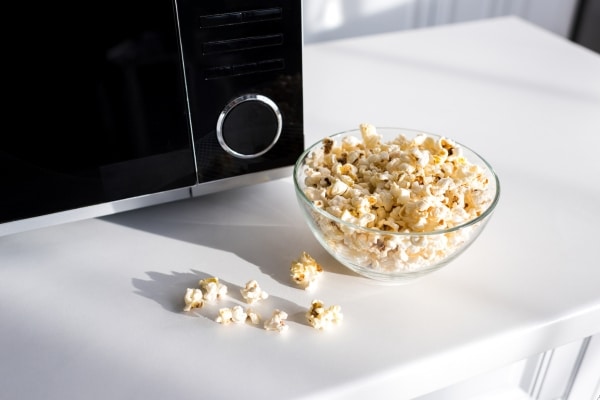
Trans fats are one of the most dangerous ingredients found in many packaged and processed foods. They raise bad cholesterol (LDL) while lowering good cholesterol (HDL), creating the perfect storm for clogged arteries. When blood flow to the brain is restricted by these blockages, the risk of stroke increases dramatically. Items like cookies, crackers, and microwave popcorn often contain these harmful fats.
Even though trans fats have been banned in many places, small amounts are still allowed in some products. Labels can be misleading, showing “0 grams” while still containing trace amounts per serving. This means that frequent snacking on these items can still expose your body to dangerous levels of trans fats. Reading ingredient lists for “partially hydrogenated oils” is key to avoiding these silent stroke contributors.
Highly Refined Carbohydrates
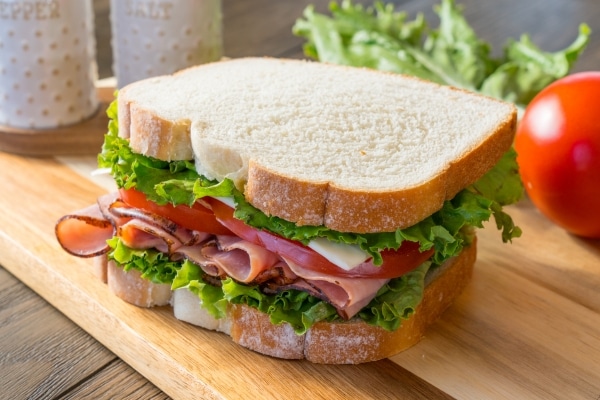
Refined carbohydrates like white bread, pasta, and sugary breakfast cereals can have a major impact on your stroke risk. These foods are stripped of fiber and nutrients, causing blood sugar to spike rapidly after eating. Repeated spikes in blood sugar levels can lead to insulin resistance, weight gain, and eventually type 2 diabetes—all of which raise your chances of experiencing a stroke. Many people rely on these quick carbs without realizing the toll they take on their long-term health.
Another concern is that refined carbs are often eaten in large portions and multiple times a day, compounding their effects. Without fiber to slow digestion, they’re absorbed quickly and lead to inflammation in blood vessels. This inflammation can weaken artery walls and make them more vulnerable to blockages or rupture. Replacing refined grains with whole grain options like brown rice, oats, or quinoa can help support stable blood sugar and reduce stroke risk.
Fried Foods and Deep-Fried Favorites
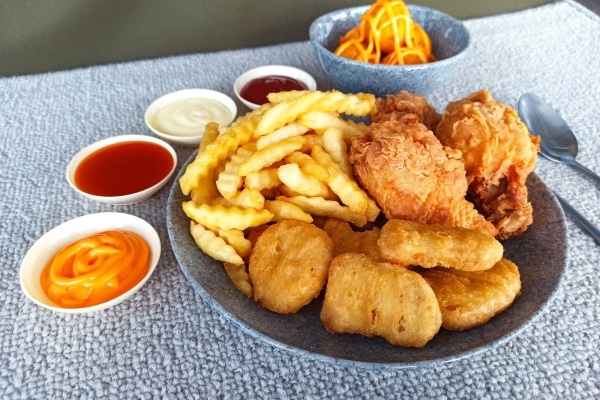
Fried foods may be comforting, but they come with serious health risks, especially for your brain and heart. Items like French fries, fried chicken, and doughnuts are typically cooked in oils that degrade at high temperatures, forming harmful compounds. These byproducts can damage blood vessels and lead to the buildup of arterial plaque, which increases the risk of stroke. Even eating fried foods occasionally can have long-term effects on your circulatory system.
In addition to unhealthy oils, fried foods are high in saturated fats and calories, contributing to obesity and high cholesterol. These conditions place significant strain on the body, narrowing arteries and reducing blood flow to the brain. The problem worsens when these foods are part of a regular diet, as the damage accumulates over time. Healthier cooking methods like baking, grilling, or air frying offer satisfying alternatives without the added risks.
Red Meat and Stroke-Related Inflammation
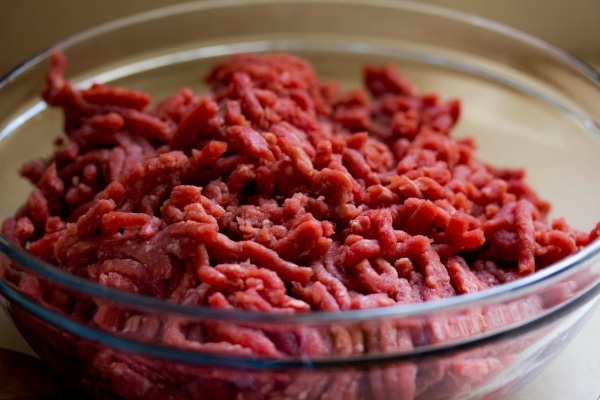
Red meat, especially when consumed frequently, can silently increase inflammation in the body and raise stroke risk. It’s high in saturated fat, which contributes to higher cholesterol levels and clogged arteries. When blood flow is restricted or blocked by fatty deposits, a stroke can occur suddenly and with devastating effects. Cuts like steak, ribs, and burgers may seem harmless but can have serious consequences when eaten in excess.
Cooking red meat at high temperatures—such as grilling or pan-frying—can also produce harmful compounds linked to inflammation and oxidative stress. This added strain on the body’s systems further increases the likelihood of developing stroke-related conditions. Reducing red meat intake and incorporating more plant-based proteins, fish, or legumes can significantly improve cardiovascular health. Making these changes even a few times a week can protect your brain and support long-term wellness.
The Foods You Avoid Today Could Save You Tomorrow
Protecting yourself from a stroke doesn’t require a complete dietary overhaul—it starts with becoming aware of the foods that quietly put your health at risk. Small, consistent changes in your eating habits can go a long way toward reducing inflammation, improving blood flow, and supporting brain health. While it’s easy to fall into patterns with familiar meals and snacks, your future well-being depends on making smarter choices today. Your plate holds more power than you think, and every better choice brings you closer to prevention.