Alcohol

Alcohol consumption has been conclusively linked to an increased risk of several types of cancer, including breast, liver, esophageal, and throat cancer. When alcohol is metabolized, it turns into acetaldehyde, a toxic chemical and a probable human carcinogen. Acetaldehyde can damage DNA and prevent cells from repairing this damage, which in turn can lead to cancer. Additionally, alcohol can also increase levels of estrogen, a hormone associated with breast cancer. Moreover, it can act as a solvent, helping other harmful chemicals, such as those in tobacco smoke, to enter the cells lining the digestive tract more easily.
The relationship between alcohol and cancer is dose-dependent; the more alcohol consumed, the greater the risk. Even moderate drinking is not without risk, but it is lower compared to heavy or binge drinking. The best advice for cancer prevention seems to be to limit alcohol consumption or avoid it altogether. For those who do choose to drink, sticking to the recommended guidelines can help reduce the associated cancer risks.
Canned Tomatoes
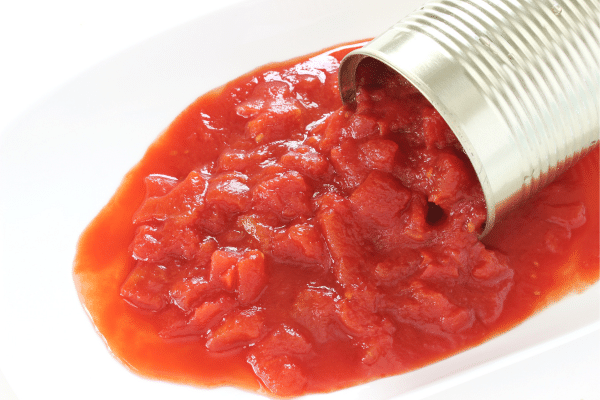
The lining of canned foods often contains bisphenol-A (BPA), a chemical that has raised health concerns due to its estrogen-like properties, which can potentially affect hormonal balance and increase cancer risk. Canned tomatoes are particularly concerning because their high acidity can cause more BPA to leach from the lining into the food. BPA exposure has been linked to several health issues, including reproductive disorders and increased cancer risk, particularly breast and prostate cancer. Despite this, the overall risk from BPA in canned foods remains a topic of ongoing research and debate.
To minimize exposure to BPA, consumers can opt for fresh or jarred tomatoes instead of canned ones. Manufacturers are increasingly aware of these concerns and are working towards BPA-free alternatives. Until then, awareness and careful selection of food packaging can help in reducing potential health risks associated with BPA.
Milk

The debate over milk and its link to cancer centers around two main concerns: the presence of high levels of hormones and the high-fat content in some dairy products. Milk naturally contains various hormones, and there is concern that additional hormones given to cows could be harmful. Some studies suggest a link between these hormones and cancers, such as breast and prostate cancer. However, the evidence is not conclusive, and many health organizations maintain that milk and dairy products are safe and an important part of a balanced diet.
Regarding the fat content, some research suggests that high-fat dairy products may be linked to an increased risk of certain cancers. Conversely, other studies show no significant association. This conflicting information indicates that more research is needed. In the meantime, opting for low-fat dairy products might be a safer choice for those concerned about cancer risks.
Potato Chips

Potato chips, a popular snack, pose health risks due to two key factors: acrylamide formation and high levels of unhealthy fats and sodium. Acrylamide, a chemical formed when potatoes are cooked at high temperatures, as in frying, is recognized as a potential carcinogen. Studies have linked acrylamide exposure to an increased risk of several types of cancer in rodents, though the evidence in humans is less clear.
In addition to acrylamide, the high levels of saturated fats and sodium in potato chips contribute to other health risks, such as heart disease and high blood pressure, which are also risk factors for cancer. Baked or air-fried potato chips can be healthier alternatives, as they contain lower levels of acrylamide and unhealthy fats.
The Bottom Line
In conclusion, the link between diet and cancer is a complex and evolving field of study. While certain foods and beverages have been associated with an increased risk of cancer, it’s important to remember that cancer development is influenced by a combination of genetic, environmental, and lifestyle factors. Moderation and a balanced diet are key. Incorporating a variety of fruits, vegetables, whole grains, and lean proteins, while limiting the intake of processed and high-risk foods, can contribute to overall health and potentially reduce the risk of cancer. Making informed choices about diet can empower individuals to take active steps in cancer prevention.