
Stretching Exercises for Increased Flexibility

Stretching is a fundamental element in improving hip flexibility. Incorporating targeted stretches into a daily routine can alleviate stiffness, expand the range of motion, and enhance overall hip function. Examples include the pigeon pose and hip flexor stretches, each designed to lengthen and loosen specific muscle groups surrounding the hip. Consistency and proper technique are key to deriving maximum benefits from these exercises.
In addition to individual stretches, integrating flexibility work into broader workout routines can be highly effective. For instance, practices like yoga and Pilates often involve movements that naturally stretch and strengthen the hip muscles. By participating in these activities, individuals can promote hip flexibility while also working on overall body strength, balance, and coordination, contributing to enhanced physical wellness.
Strengthening Exercises for Hip Stability
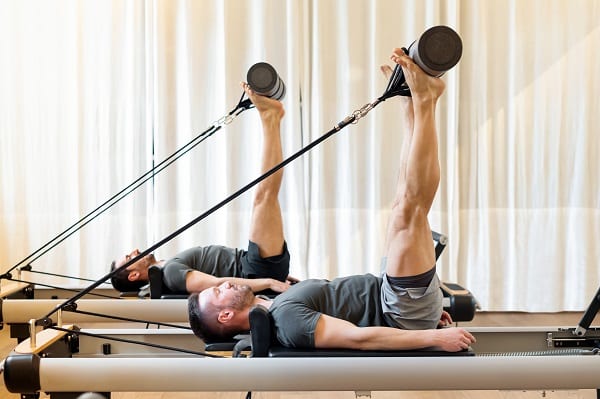
Strength is equally important as flexibility in promoting optimal hip mobility. Incorporating exercises that focus on the muscles surrounding the hip can improve stability, balance, and functional movement. Exercises such as bridges, clamshells, and lunges are instrumental in building strength in these areas. They can be easily included in regular workout routines and adapted to suit various fitness levels.
Beyond isolated exercises, it’s vital to consider the role of surrounding muscles and the core in hip stability. A strong core supports the pelvis and hips, enhancing mobility and reducing the risk of injuries. Incorporating a mix of core and hip strengthening exercises ensures a balanced approach, promoting not only improved hip function but also overall bodily strength and stability.
Implementing a Holistic Hip Mobility Routine

Creating a well-rounded hip mobility routine involves combining stretching, strengthening, and dynamic exercises. Each component plays a vital role in achieving balanced and functional hip mobility. Individuals should consider their specific needs, limitations, and goals when developing a personalized routine, ensuring it is both effective and sustainable.
Sample weekly schedules can guide individuals at different fitness levels in integrating hip mobility exercises into their lives. By dedicating time each day to targeted movements, significant improvements in flexibility, strength, and function can be achieved over time. Monitoring progress and adjusting the routine as needed ensures ongoing development and adaptation to the changing needs of the body.
The Bottom Line
Incorporating targeted exercises to enhance hip mobility can lead to significant improvements in overall health, function, and quality of life. By understanding the intricate relationship between the hips and other body parts, individuals can address imbalances and limitations, promoting optimal movement and reducing the risk of injuries. A holistic approach involving stretching, strengthening, and dynamic exercises tailored to individual needs and goals is key. Committing to a consistent and well-rounded hip mobility routine paves the way for enhanced physical wellness, improved performance in daily activities and sports, and a life free from the constraints of mobility issues.