Contents
Potential Risks and Side Effects

Despite the non-surgical nature of gastric balloon procedures, they are not without risks and side effects. Commonly reported side effects include nausea, abdominal pain, and discomfort, particularly in the first few days following the procedure as the body adjusts to the balloon. These symptoms are generally manageable with medication and usually resolve within a week. In addition to discomfort, there’s a risk of balloon deflation, which, though rare, can lead to intestinal obstruction requiring immediate medical attention.
Serious complications, while infrequent, can include gastric perforation, balloon migration, and severe gastric erosion. These require prompt medical intervention and, in some cases, may necessitate the removal of the balloon before the intended six-month duration. Healthcare providers closely monitor patients for signs of complications throughout the balloon’s tenure, emphasizing the importance of regular follow-up appointments. The selection process for candidates also plays a critical role in minimizing risks, as certain health conditions may increase the likelihood of complications.
Cost and Insurance Coverage

The cost of gastric balloon procedures can vary widely depending on geographic location, the type of balloon used, and the comprehensive nature of the follow-up support program. Generally, the expense includes the cost of the balloon itself, the insertion procedure, the necessary follow-up appointments, nutritional counseling, and medical support. While not inexpensive, gastric balloons are often less costly than surgical weight loss options, making them a financially viable option for some patients.
Insurance coverage for gastric balloons varies by provider and policy, with many insurers considering the procedure elective or cosmetic, thus not covered under standard health plans. Patients are encouraged to directly consult their insurance providers for specific coverage details. Additionally, some medical facilities offer financing plans or payment options to help manage the out-of-pocket costs, making the procedure more accessible to those who stand to benefit from it.
Gastric Balloons Vs. Other Weight Loss Procedures
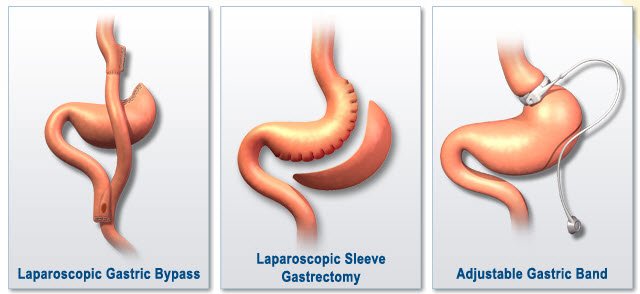
Gastric balloons offer a less invasive alternative to surgical weight loss options like gastric bypass or sleeve gastrectomy. These surgical procedures permanently alter the digestive system to facilitate weight loss and typically have higher risks and longer recovery times. In contrast, gastric balloons are temporary, can be removed, and do not require surgery, appealing to patients looking for a less drastic solution with fewer risks and a quicker recovery period.
However, while gastric balloons are effective for moderate weight loss and offer a lower risk profile, they may not be suitable for individuals with a significantly higher BMI, who might achieve better long-term results with surgical options. The choice between a gastric balloon and other procedures ultimately depends on the patient’s health status, weight loss goals, and risk tolerance. Consulting with a healthcare provider can help patients weigh the benefits and drawbacks of each option, guiding them toward the most appropriate weight loss strategy.
Patient Eligibility and Considerations

Not everyone is a candidate for a gastric balloon. The procedure is typically recommended for individuals with a BMI of 30 to 40 who have struggled to lose weight through diet and exercise alone. Patients must also be willing to commit to significant lifestyle changes, including dietary adjustments and regular physical activity, to ensure the success of the balloon. Those with gastrointestinal issues, such as ulcers or large hiatal hernias, or who have had previous stomach surgeries may not be eligible for the procedure.
Beyond physical health criteria, psychological readiness and support systems are crucial considerations for potential patients. Successful weight loss with a gastric balloon involves more than the physical presence of the device; it requires a genuine commitment to adopting a healthier lifestyle. Healthcare providers may recommend psychological evaluations to ensure patients are mentally prepared for the journey ahead. Moreover, the support of family, friends, and medical professionals plays a vital role in helping patients navigate the challenges of adjusting to new eating habits and lifestyle changes.
Make An Informed Decision About Gastric Balloons
Understanding gastric balloons provides a solid foundation for those considering this weight loss option. As a non-surgical alternative, it offers a unique opportunity to kickstart significant lifestyle changes, guiding individuals toward achieving and maintaining their weight loss goals. If you’re seeking a method to help bridge the gap between diet, exercise, and achieving your desired weight, consulting with a healthcare provider about gastric balloons could be your next step. Together, you can determine if this is the right choice for your journey towards a healthier, more fulfilling life.