The journey through pregnancy culminates in an event that forever changes a woman’s life, not just through the birth of a child but also through the physical marks it leaves behind. For many, this mark comes in the form of a C-section scar, a permanent reminder of the moment their child was brought into the world. Understanding and caring for this scar is a matter of physical health and emotional and psychological well-being. This article aims to guide those who are navigating the complexities of healing and living with a C-section scar, offering insights into the care, management, and emotional support necessary for this journey.
Understanding C-Section Scars

A C-section scar is the result of a surgical procedure that creates an incision through the abdominal wall and uterus to deliver a baby. This incision can vary in length, depth, and position, depending on various factors, including the surgical approach and the mother’s anatomy. Initially, the scar may appear red, raised, and somewhat alarming to those unaccustomed to surgical scars. However, this is a normal part of the body’s healing process, where collagen fibers work to repair the tissue, gradually changing the scar’s appearance over time.
In the weeks following the operation, the scar begins to heal, transforming in appearance and sensation. Proper aftercare is crucial during this period to prevent infection and ensure optimal healing. This includes keeping the area clean, avoiding strenuous activity that might stress the incision site, and following any specific care instructions healthcare professionals provide. Observing the scar’s healing process helps individuals recognize normal changes versus signs of complications, such as increased pain, swelling, or redness, which require prompt medical attention.
The First Few Months

As the body continues to recover, the C-section scar starts to settle into its more permanent state. The first few months are a critical time for scar care, with the focus shifting towards minimizing its appearance and preventing discomfort. The scar typically becomes less tender during this phase, and the redness fades. It’s important to continue observing the scar for any signs of abnormal healing and to maintain a regimen of gentle care, including applying recommended scar-reduction treatments, such as silicone sheets or scar massage, which can help flatten and soften the scar tissue.
The emotional adjustment to the scar also begins during these initial months. Many women experience a range of feelings, from pride in their scar as a symbol of their childbirth experience to concerns about its appearance and impact on their body image. If needed, support from loved ones and professional advice play a key role in navigating these emotional aspects. Engaging in open conversations about these feelings, seeking support from communities of other mothers, and focusing on the overall joy of motherhood can aid in the emotional healing process.
Long-Term Scar Management
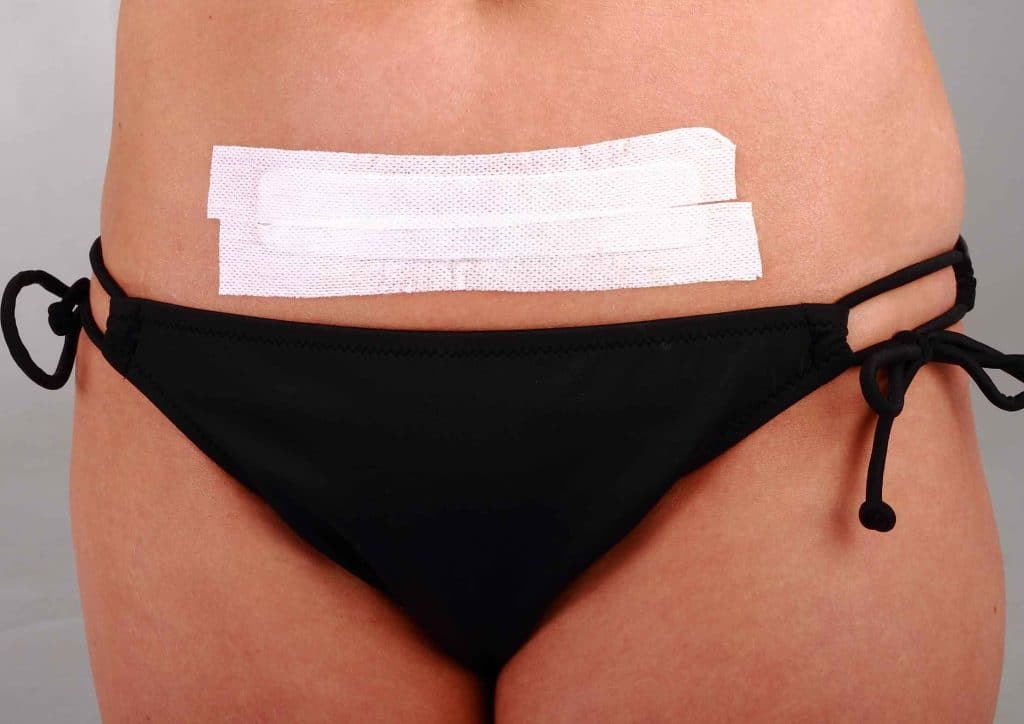
Over the years, a C-section scar undergoes significant changes, becoming paler and less noticeable. However, long-term care remains important for maintaining the health and appearance of the scar. Protecting the scar from sun exposure is vital, as UV rays can darken it and make it more prominent. Additionally, ongoing use of scar management treatments can continue to benefit the scar’s appearance, even years after the surgery. Regularly monitoring the scar for any late-onset complications is also advisable, as issues can arise even after a significant period of apparent stability.
Long-term scar management also includes considering the scar’s impact on future pregnancies. Discussions with healthcare providers about the risks and considerations of vaginal births after C-sections (VBAC) or the necessity of future C-sections are important. This planning ensures that any future pregnancies are approached with a clear understanding of the implications for the C-section scar, including potential risks and the need for additional scar care or preventive measures.