As you age, your vision becomes increasingly important to maintain, yet it often goes overlooked. Changes in eyesight, such as difficulty focusing or seeing in dim light, are common and can impact everyday activities. Thankfully, there are simple steps you can take to protect your eyes and keep your vision sharp. By incorporating healthy habits, managing chronic conditions, and getting regular checkups, you can safeguard your eye health for years to come. In this article, you’ll find essential tips to help you maintain your eye health as you age so you can enjoy clear vision well into your golden years.
Schedule Regular Eye Exams
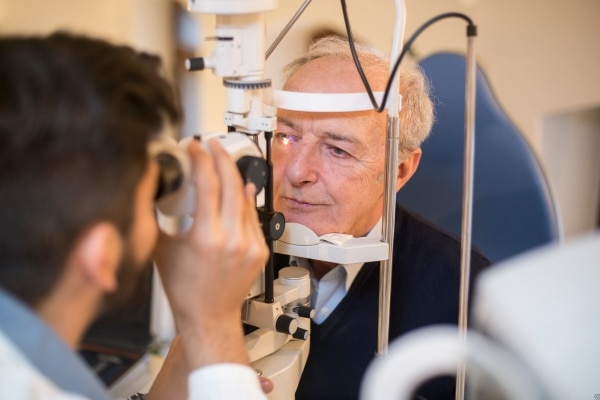
Regular eye exams are essential for detecting eye conditions before they cause irreversible damage. As you age, conditions like cataracts, glaucoma, and macular degeneration become more common, making routine checkups critical. During an eye exam, your eye doctor can identify early signs of these conditions, allowing for timely intervention. The earlier these issues are caught, the more effective treatments can be in preserving your vision and preventing severe complications.
Most experts recommend that adults over 60 have annual eye exams to monitor their vision health. During these exams, eye doctors will conduct tests such as visual acuity, retinal exams, and eye pressure checks to ensure everything is functioning properly. These comprehensive exams provide a full picture of your eye health, helping to catch problems even before symptoms appear. By staying proactive and scheduling regular exams, you significantly reduce your risk of serious eye conditions.
Protect Your Eyes from Harmful UV Rays

Prolonged exposure to UV rays can lead to serious eye conditions, including cataracts and macular degeneration. UV radiation can damage the lens and retina, leading to vision loss over time. Wearing sunglasses that block 100% of UV-A and UV-B rays is one of the best ways to protect your eyes when you’re outdoors. Additionally, wide-brimmed hats can provide extra protection by shielding your eyes from direct sunlight.
When choosing sunglasses, it’s important to look for lenses that specifically state they offer full UV protection. Many inexpensive sunglasses do not provide adequate protection, so be sure to check the labels. If you wear prescription glasses, consider getting lenses with UV-blocking coatings to ensure your eyes are always protected. By taking these precautions, you can reduce the harmful effects of UV radiation and preserve your vision as you age.
Maintain a Balanced, Eye-Healthy Diet

Your diet plays a crucial role in maintaining good eye health, especially as you age. Nutrients such as vitamins A, C, and E, along with omega-3 fatty acids and lutein, are essential for protecting your eyes from damage. Leafy greens, fish, nuts, and colorful fruits are excellent sources of these nutrients and should be a regular part of your meals. These foods are rich in antioxidants, which help combat oxidative stress that can damage the eyes over time.
Incorporating these foods into your diet can reduce the risk of developing age-related macular degeneration and cataracts. Omega-3 fatty acids, found in fish like salmon, help reduce inflammation and support the health of the retina. Meanwhile, vitamin-rich fruits like oranges and berries provide the necessary antioxidants to protect your eyes from damage caused by free radicals. By focusing on a balanced diet, you can nourish your eyes and keep them healthy for the long term.