Belly fat isn’t just something that affects how clothes fit—it’s deeply tied to your health. Excess fat around the midsection increases the risk of heart disease, type 2 diabetes, and chronic inflammation. What makes belly fat especially frustrating is how stubborn it can be, even when other areas of the body start to slim down. The good news is, with a few simple and consistent lifestyle changes, you can start losing inches around your waist without starving yourself or spending hours in the gym. This guide breaks down practical, sustainable strategies that can help you drop 5 inches of belly fat and keep it off for good.
Contents
- 1 Start with Smarter Food Choices
- 2 Prioritize Movement Over Intensity
- 3 Balance Your Macros for Better Fat Burning
- 4 Improve Sleep to Reset Your Metabolism
- 5 Manage Stress to Shrink Your Waistline
- 6 Hydrate to Flush Out Bloating and Toxins
- 7 Track Your Progress Beyond the Scale
- 8 Take Control One Step at a Time
Start with Smarter Food Choices

The first step to trimming belly fat starts with what’s on your plate. Highly processed foods and sugary snacks spike your blood sugar and promote fat storage, especially around the midsection. Replacing those foods with whole options like vegetables, lean proteins, and healthy fats helps stabilize blood sugar and reduces cravings. Choosing better ingredients can make a dramatic difference without requiring a complete diet overhaul.
One especially helpful nutrient is soluble fiber, which slows digestion and helps you feel fuller longer. Foods like oats, avocados, flaxseeds, and beans are excellent sources of this belly-flattening fiber. When you’re satisfied after meals, you’re less likely to reach for snacks that sabotage your goals. Start by adding one fiber-rich food to each meal and build from there.
Prioritize Movement Over Intensity

You don’t need to dive into extreme workouts to make real progress. Walking for 30 to 45 minutes a day can be just as effective, if not more so, for reducing belly fat. The key is to move consistently and avoid long stretches of sitting throughout the day. Light, regular movement helps regulate blood sugar and keeps your metabolism active.
In addition to walking, daily tasks like cleaning, gardening, or even stretching all count toward calorie burn. The more you move, the easier it becomes to create a calorie deficit without feeling drained. Over time, small bursts of activity add up to meaningful fat loss. Focus less on how hard you exercise and more on how often you stay active.
Balance Your Macros for Better Fat Burning

Your body needs the right balance of protein, carbohydrates, and fats to burn belly fat efficiently. Protein plays a major role in preserving muscle while keeping you full, which helps reduce overeating. Include a source of protein with every meal, such as eggs, chicken, tofu, or Greek yogurt. When protein becomes a priority, you naturally eat fewer empty calories.
Healthy fats like those found in nuts, olive oil, and avocado also support fat loss by keeping hunger in check. While carbs shouldn’t be eliminated, focus on reducing refined ones like white bread and pastries that spike insulin levels. Replacing them with complex carbs like brown rice or sweet potatoes helps maintain energy without promoting fat storage. Eating balanced meals makes it easier to stick to your plan without feeling deprived.
Improve Sleep to Reset Your Metabolism

Poor sleep throws off your hunger hormones and raises stress levels, both of which encourage belly fat accumulation. When you’re tired, your body craves high-sugar, high-fat foods for a quick energy boost. This often leads to late-night snacking and overeating the next day. Getting 7 to 9 hours of restful sleep can help your metabolism work the way it should.
Creating a bedtime routine can make a big difference in the quality of your sleep. Start by turning off electronics an hour before bed and lowering the lights in your home. Avoid caffeine in the afternoon, and try reading or light stretching before sleep. A calm, consistent nighttime routine signals to your body that it’s time to rest and recover.
Manage Stress to Shrink Your Waistline

Chronic stress signals your body to release cortisol, a hormone that directly contributes to storing fat in the abdominal area. When stress levels remain high, it becomes much harder to lose weight—even if you’re eating well and exercising regularly. Many people also turn to food as a way to cope with stress, often choosing comfort items high in sugar or fat. This emotional eating adds extra calories and creates a cycle that’s hard to break.
To reduce stress-related weight gain, build daily habits that help you unwind in a healthy way. Simple actions like deep breathing, taking a short walk, or journaling can help shift your mindset and lower cortisol levels. Even setting aside 10 minutes each day to disconnect and relax can make a noticeable difference over time. Managing stress doesn’t require a major lifestyle change—just small, consistent actions that calm your nervous system and keep cravings under control.
Hydrate to Flush Out Bloating and Toxins

Drinking more water is one of the easiest ways to reduce belly bloating and support fat loss. When the body is dehydrated, it tends to retain water, which can make your midsection look and feel larger than it actually is. Proper hydration helps your digestive system function smoothly, which reduces constipation and bloating. Staying hydrated also helps regulate appetite, preventing overeating that stems from confusing thirst with hunger.
Start each day with a glass of water and aim to sip throughout the day rather than chugging large amounts at once. If plain water feels boring, add lemon, cucumber, or a splash of natural fruit juice for flavor. Try to replace sugary beverages like soda and energy drinks with water or herbal tea whenever possible. Over time, this simple habit helps cleanse your system, supports your metabolism, and gives your belly a flatter appearance.
Track Your Progress Beyond the Scale
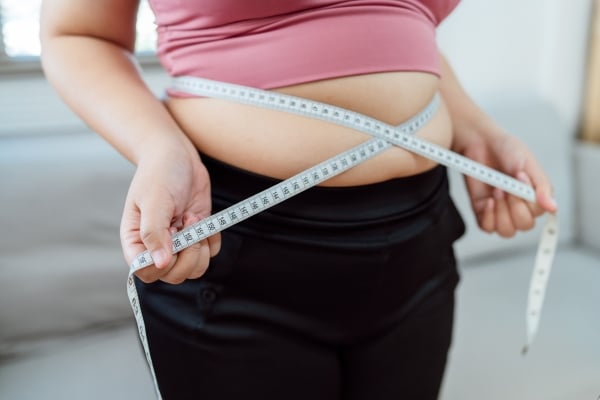
Focusing only on the number on the scale can be discouraging, especially when you’re working hard and not seeing immediate changes. Measuring your waist and noting how your clothes fit offers a clearer picture of your progress. Inches lost around the midsection are often a more accurate sign of fat reduction than pounds dropped. Taking progress photos once a week can also reveal changes that the mirror might miss day to day.
Keeping a journal of your meals, physical activity, and sleep can help identify patterns that support or slow your progress. It also makes it easier to stay accountable and adjust your habits if you hit a plateau. Celebrating small wins—like choosing a healthier snack or completing a workout—builds momentum and confidence. Tracking isn’t about being perfect; it’s about staying mindful and motivated as you work toward losing those 5 inches.
Take Control One Step at a Time
Losing 5 inches of belly fat doesn’t have to feel impossible or overwhelming. With consistent, manageable changes to how you eat, move, sleep, and handle stress, your body will start to respond. Focus on progress, not perfection, and trust the process as your habits begin to reshape your waistline. Each small choice you make has the power to bring you closer to a healthier, leaner version of yourself. Stay committed, stay patient, and let your results speak louder than the scale ever could.


