A stroke strikes when the brain is suddenly starved of blood, often with devastating consequences. What makes strokes especially dangerous is how quickly symptoms can appear and how easily they can be dismissed. Recognizing early warning signs and acting fast can make the difference between a full recovery and long-term disability—or even death. While strokes are more common with age, they can happen to anyone at any time. That’s why knowing the early symptoms is so important. These warning signs are often the body’s only cry for help before a much bigger crisis hits. By understanding what to look for, you give yourself or someone else a critical chance at survival.
Sudden Numbness or Weakness in the Face, Arm, or Leg

One of the most common early signs of a stroke is sudden weakness or numbness on one side of the body. This can affect the face, arm, or leg, and it often happens without warning. You might notice a drooping smile, difficulty lifting an arm, or a leg that feels unusually heavy. These symptoms indicate that the brain’s communication with that side of the body is being disrupted.
While the sensation might resemble a limb “falling asleep,” it doesn’t fade as quickly and often grows more intense. A person experiencing this may struggle with basic movements, like gripping objects or walking steadily. It’s also possible to feel a tingling or deadened sensation rather than complete numbness. If this occurs suddenly and without a clear reason, it’s crucial to seek emergency help immediately.
Confusion, Trouble Speaking, or Understanding Speech
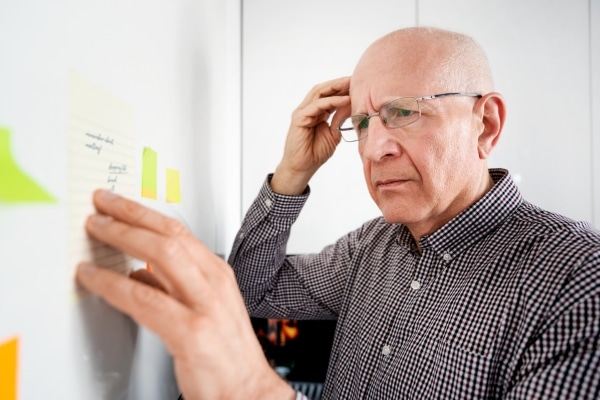
Speech difficulties are another strong indicator that something serious is happening in the brain. A person might suddenly slur their words, speak in a jumbled way, or struggle to find simple terms. In some cases, they may appear alert but are unable to understand what others are saying. This sudden confusion is often a direct result of stroke-related brain disruption.
These issues can be easily mistaken for stress, fatigue, or even intoxication, especially in younger individuals. However, when speech and understanding break down without a clear cause, it points to a possible emergency. Asking the person to say a simple sentence, like their name or the date, can reveal just how impaired their speech has become. Any unexpected changes in language or comprehension should be treated with urgency.
Sudden Vision Problems in One or Both Eyes
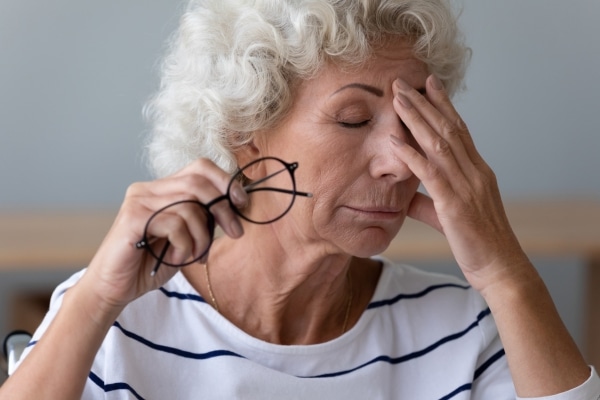
A stroke can impact how the brain processes visual information, leading to sudden changes in eyesight. Some people experience blurred vision, while others lose partial or complete sight in one or both eyes. Double vision is also common, making it hard to focus or walk straight. These symptoms often appear out of nowhere and may come with other stroke signs.
Many people dismiss vision problems, assuming they’re due to tiredness, migraines, or staring at a screen too long. However, stroke-related vision issues are often more intense and harder to correct by blinking or resting. Some describe it as a dark shadow or curtain falling over part of their sight. Even if the visual problem disappears quickly, it should be taken seriously and followed up with medical care.