Benefits and Uses of Herbal Tinctures

Herbal tinctures offer a range of health benefits, making them a popular choice for natural health enthusiasts. Their concentrated nature allows for a smaller dosage than other herbal preparations, with faster absorption and effectiveness. Tinctures are particularly useful for managing acute conditions, such as colds and flu, due to their rapid action.
Specific tinctures are chosen based on the health issues they address. For example, Chamomile tincture is used for its calming and digestive properties, while Ginkgo Biloba is sought for its cognitive-enhancing effects. Integrating these tinctures into daily health routines can be simple, such as adding a few drops to water or tea. However, it’s important to note that while tinctures can be powerful allies in health and wellness, they should be used with an understanding of their potency and potential interactions with other medications.
Precautions and Safety Considerations
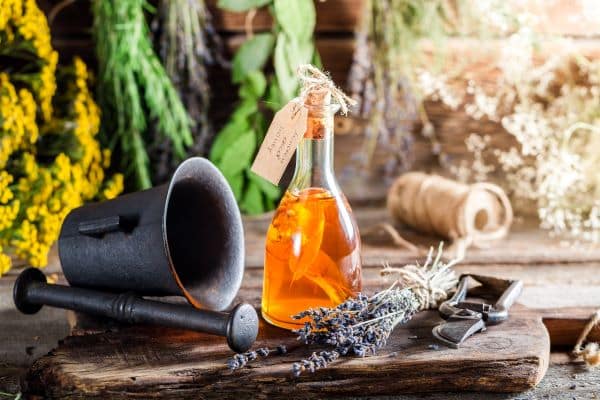
While herbal tinctures offer numerous health benefits, it’s essential to approach their use with caution. The potency of tinctures means they can interact with prescription medications or exacerbate certain health conditions. Therefore, it’s crucial to consult with healthcare professionals before incorporating them into any health regimen, especially for individuals with pre-existing conditions or other medications.
Pregnant women and children are particular groups that require careful consideration when using herbal tinctures. Due to the alcohol content and the concentrated nature of the extracts, certain tinctures may not be suitable for these populations. It’s always advisable to opt for professional guidance and to start with lower doses to gauge the body’s response.
Herbal Tinctures in Different Cultures
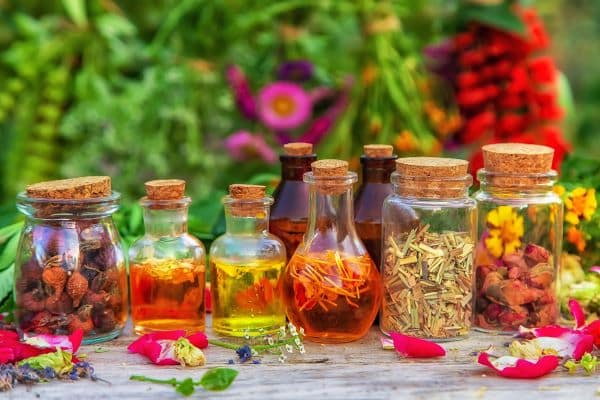
Herbal tinctures are not limited to any single culture; they are a global phenomenon, with each culture having its unique herbs and methods of preparation. In Chinese medicine, tinctures often incorporate a blend of herbs, each selected for synergistic effects. Ayurvedic medicine from India similarly utilizes a variety of local herbs, focusing on balancing the body’s energies.
These and other cultural practices have influenced the use of tinctures in Western herbalism, leading to a diverse array of preparations available today. This cross-cultural exchange has enriched the practice of herbal medicine, offering a wider perspective on the potential applications and benefits of herbal tinctures.
The Future of Herbal Tinctures in Healthcare
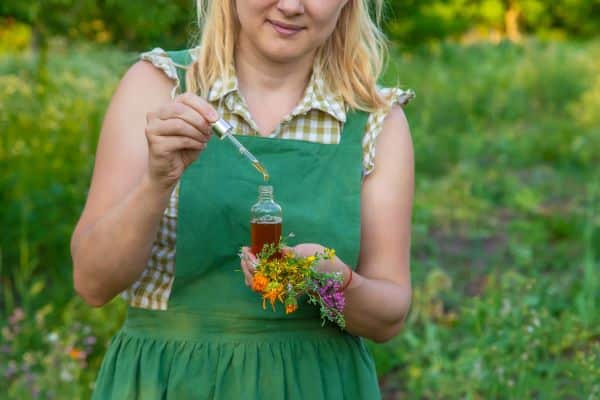
As interest in natural and holistic health continues to grow, the role of herbal tinctures in healthcare is poised for expansion. Integrating herbal remedies, including tinctures, with conventional medicine could offer a more comprehensive approach to healthcare. This integration, however, hinges on continued research and a deeper understanding of how these natural remedies work in conjunction with traditional treatments.
Regulatory developments also play a significant role in the future of herbal tinctures. As governments and health organizations begin to recognize the value of herbal medicine, we may see more standardized practices and guidelines, ensuring the safety and efficacy of these remedies for all users.
The Bottom Line
The world of herbal tinctures is rich and varied, offering a natural complement to conventional medicine. From their historical roots to their modern applications, tinctures provide a potent and versatile means of harnessing the therapeutic properties of plants. Whether opting for commercially available products or embracing DIY, enthusiasts must approach tincture use with knowledge and caution. As we look to the future, the potential for these herbal remedies to play a more prominent role in healthcare is promising. This journey into the world of herbal tinctures illuminates their health benefits and the importance of understanding and respecting these powerful natural tools.