Herbal tinctures, concentrated plant extracts preserved in alcohol, have been a cornerstone of natural medicine for centuries. These potent remedies, born from the wisdom of ancient civilizations, have evolved, becoming integral to various cultural healing practices. Today, they offer a bridge between traditional and contemporary health approaches, providing a natural alternative or complement to conventional treatments. This exploration into herbal tinctures will uncover their rich history, preparation methods, benefits, and applications. By delving into this fascinating topic, readers can gain a deeper appreciation of these powerful extracts and how they continue to influence the landscape of herbal medicine.
Contents
The History of Herbal Tinctures
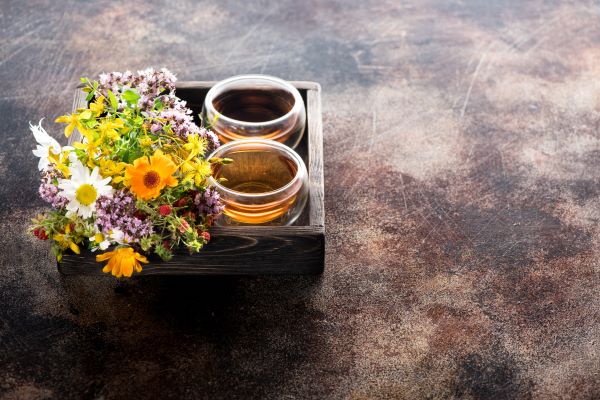
The origins of herbal tinctures trace back to ancient civilizations, where early medicine practitioners discovered plants’ healing properties. These initial experiments laid the foundation for what would become a rich tradition of herbal medicine. In ancient Egypt, Greece, and China, tinctures were used extensively for their therapeutic benefits, often considered a blend of art and science. As knowledge spread through trade and cultural exchange, other cultures adopted and refined these practices.
The Middle Ages saw a significant advancement in the preparation and use of herbal tinctures. Monks in monastic gardens cultivated herbs and documented their medicinal properties, playing a crucial role in preserving and enhancing this knowledge. The Renaissance period furthered this development, as herbalists and scientists began to systematically categorize plants and their uses, leading to more sophisticated tincturing techniques. This period marked the beginning of a more empirical approach to herbal medicine, setting the stage for its modern incarnation.
Understanding Herbal Tinctures
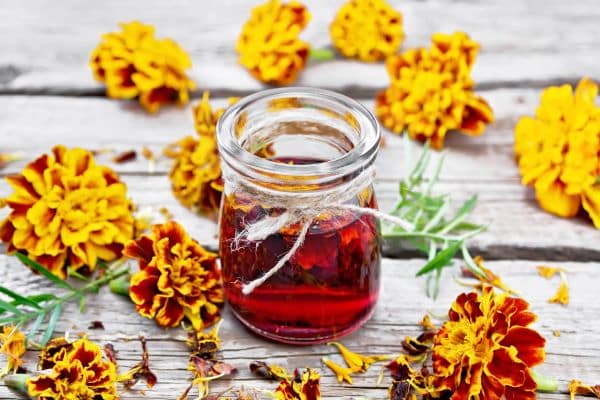
Herbal tinctures are created by steeping herbs in alcohol, which extracts and preserves the active compounds of the plants. This process produces a concentrated liquid, offering a more potent remedy than other herbal forms like teas or capsules. The choice of herb, type of alcohol, and extraction duration are critical factors that determine the quality and efficacy of the tincture.
Commonly used herbs in tinctures include Echinacea, known for its immune-boosting properties; Valerian, used for its soothing effects; and Milk Thistle, beneficial for liver health. Each herb offers unique benefits, and the choice depends on the desired therapeutic effect. Understanding the properties of these herbs is crucial for effective tincture formulation and use, as each herb has specific indications and contraindications.
The Making of Herbal Tinctures
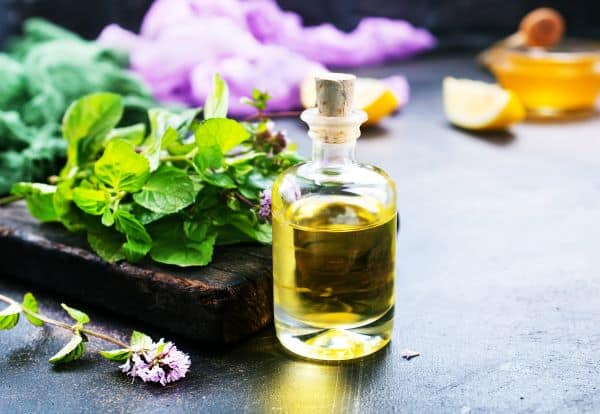
Making herbal tinctures involves several steps, beginning with selecting high-quality, dried herbs. The herbs are then macerated in alcohol, typically vodka or brandy, due to their neutral flavors and efficient extraction capabilities. The mixture is stored in a dark, cool place for several weeks, allowing the alcohol to extract the active compounds from the herbs. Regular shaking of the container ensures a thorough extraction.
After the maceration period, the mixture is strained to remove the plant material, resulting in a clear liquid. This liquid, the tincture, is then stored in amber bottles to protect it from light, which can degrade its potency. Homemade tinctures can be tailored to individual needs, allowing for a personalized approach to herbal medicine. However, it requires careful attention to detail to ensure the correct balance of herbs and alcohol for effective and safe results.
Benefits and Uses of Herbal Tinctures

Herbal tinctures offer a range of health benefits, making them a popular choice for natural health enthusiasts. Their concentrated nature allows for a smaller dosage than other herbal preparations, with faster absorption and effectiveness. Tinctures are particularly useful for managing acute conditions, such as colds and flu, due to their rapid action.
Specific tinctures are chosen based on the health issues they address. For example, Chamomile tincture is used for its calming and digestive properties, while Ginkgo Biloba is sought for its cognitive-enhancing effects. Integrating these tinctures into daily health routines can be simple, such as adding a few drops to water or tea. However, it’s important to note that while tinctures can be powerful allies in health and wellness, they should be used with an understanding of their potency and potential interactions with other medications.
Precautions and Safety Considerations
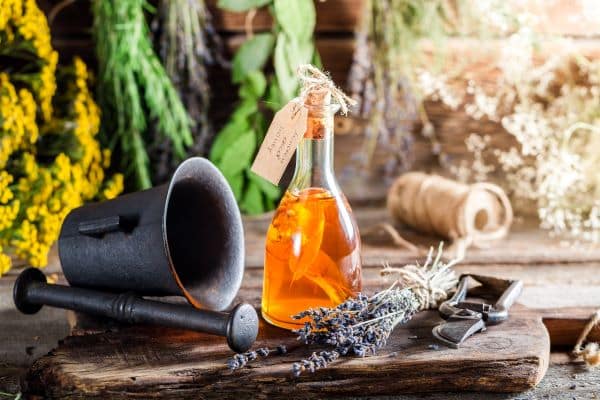
While herbal tinctures offer numerous health benefits, it’s essential to approach their use with caution. The potency of tinctures means they can interact with prescription medications or exacerbate certain health conditions. Therefore, it’s crucial to consult with healthcare professionals before incorporating them into any health regimen, especially for individuals with pre-existing conditions or other medications.
Pregnant women and children are particular groups that require careful consideration when using herbal tinctures. Due to the alcohol content and the concentrated nature of the extracts, certain tinctures may not be suitable for these populations. It’s always advisable to opt for professional guidance and to start with lower doses to gauge the body’s response.
Herbal Tinctures in Different Cultures
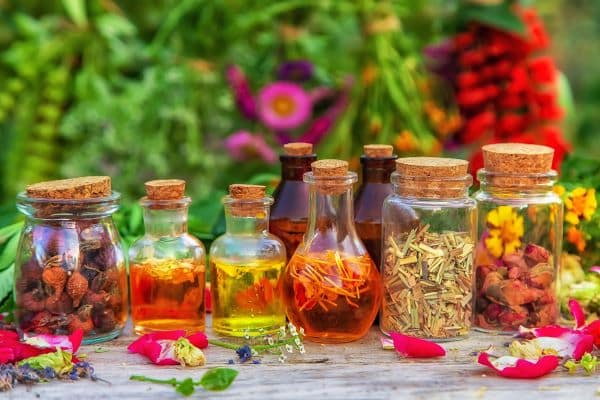
Herbal tinctures are not limited to any single culture; they are a global phenomenon, with each culture having its unique herbs and methods of preparation. In Chinese medicine, tinctures often incorporate a blend of herbs, each selected for synergistic effects. Ayurvedic medicine from India similarly utilizes a variety of local herbs, focusing on balancing the body’s energies.
These and other cultural practices have influenced the use of tinctures in Western herbalism, leading to a diverse array of preparations available today. This cross-cultural exchange has enriched the practice of herbal medicine, offering a wider perspective on the potential applications and benefits of herbal tinctures.
The Future of Herbal Tinctures in Healthcare
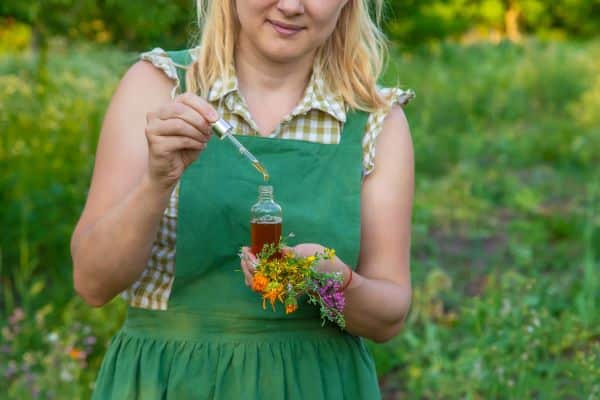
As interest in natural and holistic health continues to grow, the role of herbal tinctures in healthcare is poised for expansion. Integrating herbal remedies, including tinctures, with conventional medicine could offer a more comprehensive approach to healthcare. This integration, however, hinges on continued research and a deeper understanding of how these natural remedies work in conjunction with traditional treatments.
Regulatory developments also play a significant role in the future of herbal tinctures. As governments and health organizations begin to recognize the value of herbal medicine, we may see more standardized practices and guidelines, ensuring the safety and efficacy of these remedies for all users.
The Bottom Line
The world of herbal tinctures is rich and varied, offering a natural complement to conventional medicine. From their historical roots to their modern applications, tinctures provide a potent and versatile means of harnessing the therapeutic properties of plants. Whether opting for commercially available products or embracing DIY, enthusiasts must approach tincture use with knowledge and caution. As we look to the future, the potential for these herbal remedies to play a more prominent role in healthcare is promising. This journey into the world of herbal tinctures illuminates their health benefits and the importance of understanding and respecting these powerful natural tools.