Contents
Box Breathing for Focus and Concentration

Box breathing, also known as square breathing, is a technique used to enhance focus and concentration. This method involves four simple steps: inhaling, holding the breath, exhaling, and holding again, each for an equal count of four. The equal duration of each step creates a ‘box’ or ‘square’ pattern, hence the name. This technique is particularly effective in situations that require high levels of concentration and calm, such as before an important meeting or during a stressful event. By focusing on the breath and the count, the mind is drawn away from distractions, allowing for greater focus and clarity.
The benefits of box breathing extend to its ability to lower stress and improve mood. The rhythmic pattern of breathing helps to regulate the nervous system, reducing the body’s stress response. Regular practice of box breathing can lead to improved mental clarity, better emotional regulation, and enhanced cognitive function. It is a versatile technique that can be practiced anywhere, making it an ideal tool for those seeking to improve their mental focus and resilience in the face of daily stressors.
Alternate Nostril Breathing For Emotional Balance

Alternate nostril breathing, a practice rooted in ancient yogic traditions, is known for restoring emotional equilibrium and harmonizing the brain’s left and right hemispheres. This technique involves alternating the breath between the nostrils by gently closing one nostril while breathing through the other. The process starts with a full exhale, followed by inhaling through one nostril, closing it, and exhaling through the other. This pattern is then reversed and repeated. This form of breathing is particularly effective in calming the mind, reducing stress, and balancing mood swings, making it a valuable practice for those seeking emotional stability.
The rhythmic nature of alternate nostril breathing helps to focus the mind and draw attention away from distressing thoughts or emotions. Regular practice can lead to significant improvements in mental health, including reduced anxiety and depression symptoms and enhanced cognitive function. It is especially beneficial for individuals who experience emotional imbalances, as it promotes a sense of inner peace and stability. Incorporating alternate nostril breathing into a daily routine can cultivate a more balanced emotional state, contributing to overall mental well-being.
Progressive Relaxation Breathing For Stress Relief
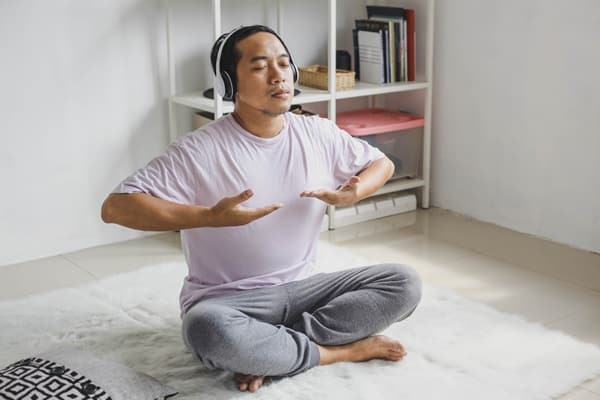
Progressive relaxation breathing is a technique designed to reduce stress and promote a deep sense of relaxation throughout the body. This method involves focusing on each part of the body in turn, consciously relaxing it with each exhale. The practice starts with deep, slow breaths, gradually moving attention from the toes to the crown of the head, releasing tension with each breath. This mindful approach to breathing helps to alleviate physical tension, which is often a byproduct of mental stress, thereby creating a calming effect on the mind.
The benefits of progressive relaxation breathing are manifold. It not only aids in reducing the physical symptoms of stress, such as muscle tension and headaches but also helps in calming the mind, leading to improved sleep quality and a reduction in anxiety levels. This technique is particularly effective when practiced before bedtime, as it prepares the body and mind for a restful sleep, which is essential for good mental health. By making progressive relaxation breathing a part of one’s daily routine, one can effectively manage stress and enhance overall well-being.
Mindful Breathing For Overall Well-Being
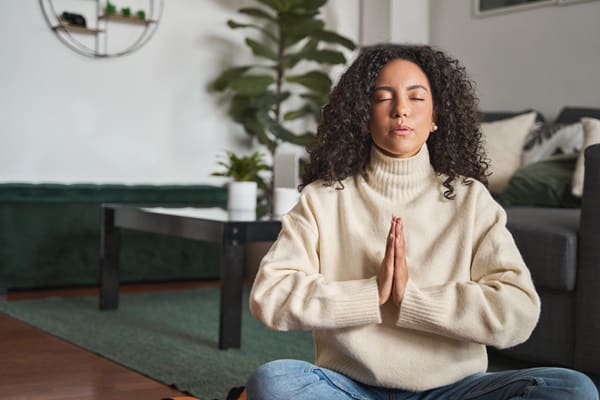
Mindful breathing is a practice that involves paying close attention to the breath and observing its natural rhythm without trying to change it. This technique is about being fully present in the moment, noticing each inhale and exhale and the sensations associated with breathing. By anchoring the mind to the breath, mindful breathing helps to cultivate a state of mindfulness, which has been shown to have numerous benefits for mental health, including reduced stress, improved emotional regulation, and increased self-awareness.
The practice of mindful breathing is a cornerstone of mindfulness meditation, but it can be practiced at any time, in any place. Whether sitting in a quiet room or waiting in line, taking a few moments to focus on the breath can provide a quick and effective way to reduce stress and improve mood. Regular practice of mindful breathing can lead to long-term changes in the brain associated with positive emotional states, enhanced concentration, and decreased reactivity to stress. It is a simple yet powerful tool that can significantly enhance overall mental health and well-being.
Inhale Positivity, Exhale Doubt
The journey through various breathing techniques reveals a rich landscape of tools available for enhancing mental health. From the grounding practice of diaphragmatic breathing to the focus-enhancing box breathing, each technique provides a unique pathway to mental well-being. Mindful breathing ties these practices together, emphasizing the importance of present-moment awareness in maintaining mental health. By incorporating these breathing exercises into daily routines, individuals can harness the power of their breath to foster resilience, calm, and emotional stability, contributing significantly to their overall mental health.