
Nutritional Needs For Healthy Bones
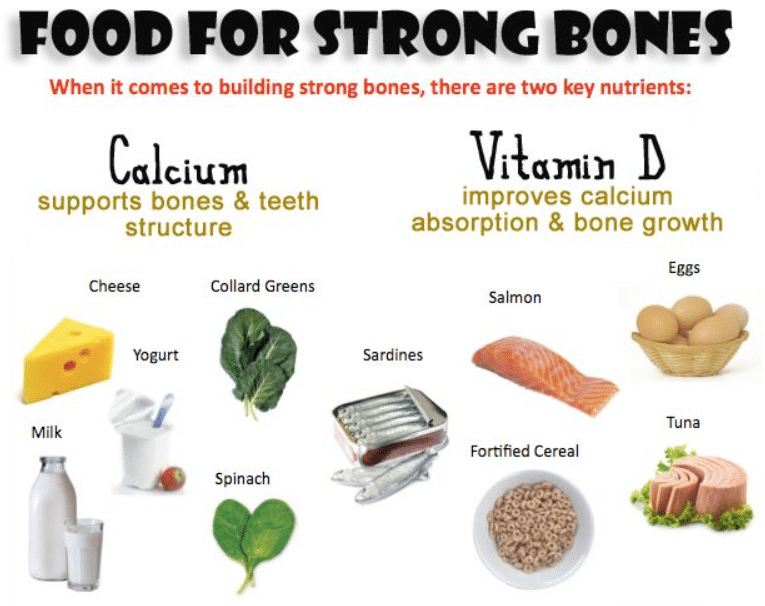
Nutrition plays a pivotal role in maintaining a healthy skeletal system. Calcium is the most well-known nutrient essential for bone health. It is the primary component of bones and teeth and is crucial for maintaining strength and structure. Dairy products, leafy green vegetables, and fortified foods are excellent sources of calcium. However, calcium alone is not enough; it needs to be absorbed effectively by the body.
Vitamin D is another essential nutrient that aids calcium absorption from the digestive tract. A deficiency in vitamin D can lead to weakened bones and an increased risk of fractures. Sunlight is a natural source of vitamin D, but it can also be obtained through supplements and fortified foods. Other nutrients like magnesium and vitamin K contribute to bone health, aiding bone formation and mineralization.
Lifestyle Choices And Skeletal Health

Lifestyle choices can significantly impact the health of your skeletal system. Exercise, particularly weight-bearing activities like walking, jogging, and weightlifting, can help strengthen bones and improve joint flexibility. These activities stimulate bone-forming cells and help absorb calcium, contributing to overall skeletal health.
Conversely, certain lifestyle choices can have a detrimental effect on your bones and joints. Smoking and excessive alcohol consumption can weaken the skeletal system, making bones more susceptible to fractures and joints more prone to inflammation. Obesity is another concern, as excess weight puts additional stress on joints, particularly those in the lower body, like the knees and hips, increasing the risk of wear and tear.
The Importance Of Early Intervention
Early intervention is crucial for maintaining a healthy skeletal system throughout one’s life. Pediatric skeletal health is especially important, as the habits formed in childhood often carry into adulthood. Proper nutrition and physical activity during these formative years can set the stage for a lifetime of strong bones and joints.
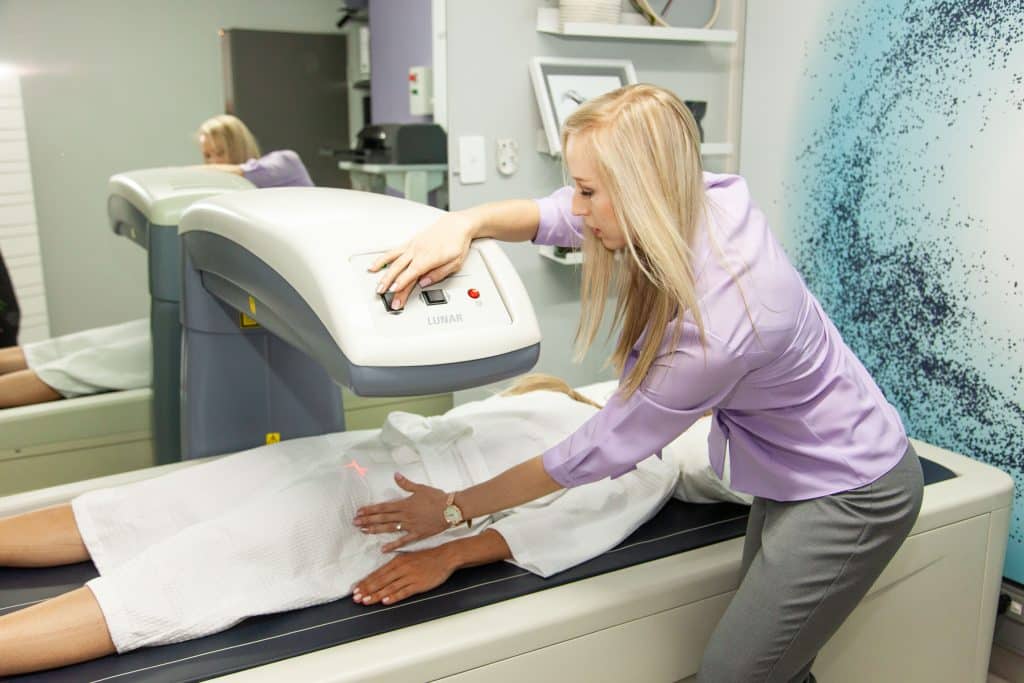
Screenings and tests can also be valuable tools for early intervention. Bone density tests, for example, can help diagnose conditions like osteoporosis before they become severe. Regular check-ups and consultations with healthcare providers help identify potential issues early on, making treatment more effective and less invasive.
Future Of Skeletal Health: What’s On The Horizon?

As medical science advances, new treatments and interventions for skeletal health are continually being developed. Innovative medications that target the underlying causes of conditions like osteoporosis and arthritis are in various stages of research and testing. Surgical techniques are also evolving, with minimally invasive procedures becoming more common, reducing recovery times and improving outcomes.
Ongoing research is crucial for the future of skeletal health. Studies are being conducted to better understand the genetic factors contributing to bone and joint conditions to develop more targeted treatments. As our understanding of the skeletal system deepens, the prospects for prevention, early intervention, and effective treatment continue to improve.
The Bottom Line
The skeletal system is a marvel of biological engineering, providing structure, support, and protection to the human body. Yet, it is often one of the most neglected aspects of overall health. As we’ve seen, maintaining a healthy skeletal system involves more than just drinking milk for calcium; it requires a holistic approach that includes proper nutrition, regular exercise, and lifestyle choices. Early intervention, particularly in childhood, can have a lasting impact on skeletal health. With advances in medical research offering new treatments and deeper understanding, there’s never been a better time to take proactive steps toward maintaining your skeletal health.