Contents
Your Ears: More Fragile Than They Seem

The outer ear may seem tough, but the ear canal is sensitive and easily damaged by unnecessary touching. Many people have a habit of poking their ears with fingers or objects, which can lead to irritation or even hearing issues. This kind of interference disrupts the ear’s natural self-cleaning process and increases the risk of infections like swimmer’s ear. It also pushes wax deeper inside, making removal more difficult.
Using cotton swabs or fingernails to scratch or clean the ears does more harm than good. These actions can accidentally puncture the eardrum or scratch the sensitive skin inside the canal. Even rubbing or pulling on the outside of the ear repeatedly can cause soreness and inflammation. Instead, gently clean only the outer ear and leave the inner canal to clean itself naturally.
Your Face: A Common Cause of Breakouts and Irritation

Touching your face throughout the day transfers oil, dirt, and bacteria directly from your hands onto your skin. These contaminants can clog pores, trigger breakouts, and worsen conditions like acne, rosacea, or eczema. Many people touch their face unconsciously when feeling stressed, bored, or tired, which makes the habit even harder to notice. Unfortunately, the effects can build up quickly and lead to ongoing skin issues that are difficult to treat.
Picking at blemishes or rubbing irritated areas can also damage the skin’s natural barrier. This may cause redness, inflammation, or even permanent scarring over time. The more you touch, the more likely you are to spread bacteria and prolong the healing process. To keep your complexion clear and healthy, it’s important to become aware of this habit and keep your hands off your face as much as possible.
Your Belly Button: Small Area, Big Risk
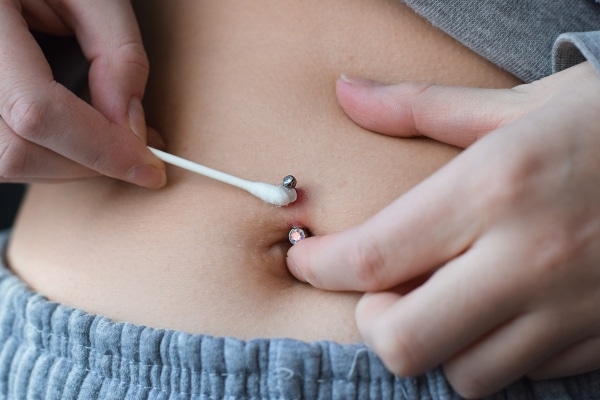
The belly button might not seem like a place to worry about, but it’s a surprisingly easy spot for bacteria to collect. This small, often neglected area is warm and dark—conditions where germs and fungi thrive. When you touch it with dirty fingers or dig at it out of habit, you can introduce bacteria that lead to infection or unpleasant odors. Over time, this can cause redness, itching, and even discharge if left unchecked.
People with deeper navels or piercings are at an even higher risk of irritation and buildup. Scratching or picking at this area can damage delicate skin and trap more debris. Proper hygiene involves gently cleaning the area during showers and drying it thoroughly afterward. There’s no need to poke or prod—leaving it alone and maintaining a basic cleaning routine is the safest choice.
Under Your Fingernails: A Hidden Germ Hotspot
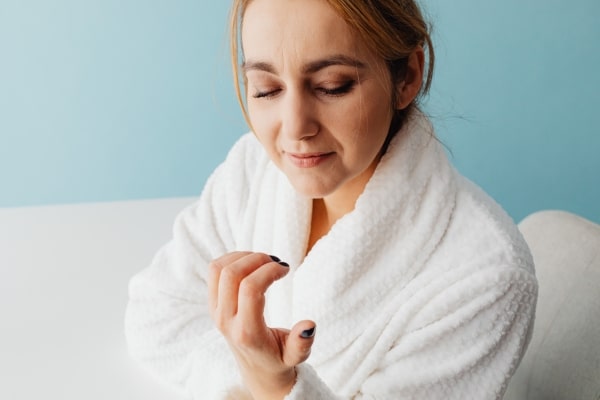
Beneath your fingernails lies one of the dirtiest places on your body, yet it often gets overlooked. This area can trap food particles, skin flakes, and countless microbes throughout the day. When you scratch your skin, touch your face, or eat with unwashed hands, you’re spreading those germs without realizing it. Nail-biters face even more exposure by regularly transferring bacteria straight into their mouths.
Dirty nails can also lead to infections in the cuticles or skin around the nails, especially if you pick or bite them. These infections can cause swelling, pain, and in some cases, require medical treatment. Keeping your nails trimmed, clean, and avoiding contact with sensitive areas of your body helps reduce this risk. Handwashing and nail hygiene may seem basic, but they play a major role in preventing illness and protecting your skin.
Hands Off for a Healthier You
Everyday habits can have a bigger impact on your health than you might think—especially when it comes to touching certain parts of your body. By simply keeping your hands away from these sensitive areas, you reduce the risk of irritation, infections, and long-term skin issues. It doesn’t take much effort to be more mindful, but the payoff in personal health and hygiene is well worth it. Small changes like these can lead to cleaner skin, fewer sick days, and a stronger immune defense without even needing a trip to the doctor.