Contents
Monitor Carbohydrate Intake

Understanding and managing carbohydrate intake is essential for blood sugar control. Carbohydrates have a direct impact on blood sugar levels more than fats and proteins. Knowing the types and amounts of carbohydrates consumed can help manage blood sugar levels effectively. It’s beneficial to focus on complex carbohydrates found in whole grains, fruits, and vegetables, as they are broken down more slowly and have less immediate impact on blood sugar compared to simple carbohydrates found in sugary snacks and drinks.
Counting carbohydrates can be an effective way to manage blood sugar, especially for individuals on insulin or certain diabetes medications. It involves keeping track of the number of carbohydrate grams in meals and snacks to stay within a target range for each meal. Understanding the glycemic index, which indicates how quickly a food item may raise blood sugar, can also aid in making more informed choices. A balanced diet with a proper mix of carbohydrates, fats, and proteins, along with consistent meal timing, contributes to stable blood sugar levels.
Stay Hydrated

Proper hydration is key to maintaining blood sugar levels. Drinking enough water helps the kidneys flush out excess sugar through urine. Moreover, water does not raise blood sugar levels, making it the best choice for staying hydrated. Adequate water intake can prevent dehydration and help the body function at optimal levels. It’s advised to avoid beverages high in sugar and caffeine, as they can lead to blood sugar spikes and dehydration, respectively.
To ensure adequate hydration, it’s recommended to drink water regularly throughout the day and adjust intake based on individual needs, activity level, and weather conditions. Recognizing the signs of dehydration, such as thirst, dry mouth, and fatigue, is crucial. Replacing sugary drinks with water, herbal teas, or sparkling water with a splash of lemon or lime can make staying hydrated more enjoyable. By prioritizing hydration, one can support blood sugar control and overall health.
Get Enough Quality Sleep

Quality sleep is a frequently overlooked but critical component of blood sugar control. Lack of sleep can disrupt hormones that regulate appetite and insulin, the hormone that controls blood sugar levels. This disruption can lead to increased appetite and weight gain, making blood sugar harder to manage. Ensuring seven to nine hours of uninterrupted sleep each night can help maintain hormonal balance, aiding in blood sugar control.
Creating a conducive sleep environment is crucial. This means maintaining a cool, quiet, and dark room, and establishing a regular bedtime routine to signal to the body that it’s time to wind down. Limiting screen time before bed, avoiding caffeine and heavy meals in the evening, and engaging in relaxing activities can promote better sleep. Prioritizing quality sleep is not just about feeling rested; it’s a vital part of maintaining balanced blood sugar levels.
Regularly Monitor Blood Sugar Levels
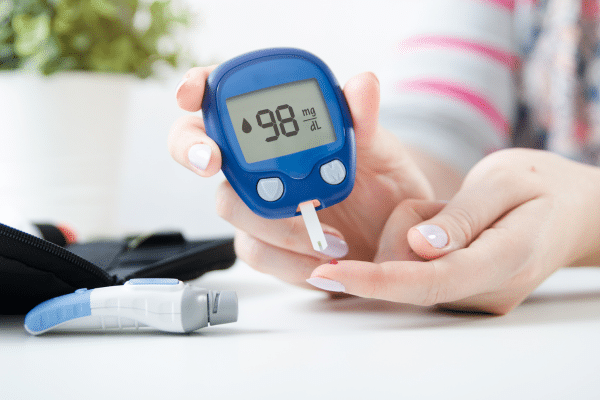
Keeping track of blood sugar levels is crucial for understanding how different factors like food, activity, and stress affect them. Regular monitoring can provide insight into patterns and trends, which can inform decisions about diet, exercise, and medication. It empowers individuals to take active control of their health and make adjustments as needed to maintain optimal blood sugar levels.
Monitoring doesn’t have to be cumbersome. With the advancement in technology, there are various methods available, from traditional blood glucose meters to continuous glucose monitors (CGMs), which offer real-time insights into blood sugar patterns. Recording these readings and discussing them with a healthcare provider can lead to a more personalized approach to managing blood sugar. This proactive engagement is a cornerstone of effective diabetes management and overall health maintenance.
The Bottom Line
Managing blood sugar is a multifaceted approach that requires consistent effort and attention to various aspects of life. Regular exercise, a balanced diet rich in fiber, proper hydration, quality sleep, and stress management are all integral parts of maintaining healthy blood sugar levels. Monitoring carbohydrate intake and regularly checking blood sugar levels can provide valuable insights and help tailor a personal management plan. Embracing these lifestyle changes may seem challenging at first, but the benefits for blood sugar control and overall health are invaluable. It’s important to approach these changes gradually and seek support from healthcare professionals to ensure a successful and sustainable transition to a healthier lifestyle.