
Your skin is one of the essential organs in your body. You can also take responsibility for it, as looking after it properly will help assure its health and longevity. But with all the skincare tips, how do you know which ones to choose? This article will explore some of the best ways to look after your skin so that it stays looking and feeling healthy throughout life. From a proper skincare routine to a healthy diet, these tips and tricks will help you maintain good skin. Keep reading to learn more!
Why It’s Important To Look After Your Skin

Taking proper care of your skin is one of the most important things you can do daily. Skin is your largest organ and protects you against a variety of elements. It also gives you confidence, helping you look and feel your best. By looking after your skin, you can slow down the process of aging and reduce possible serious health risks like sun damage, cancer, and other skin diseases. Protecting your skin today can help ensure its health tomorrow.
Best Ways To Look After Your Skin
Staying Hydrated

Staying hydrated is an essential part of any skincare routine. Not only does drinking plenty of water help the skin to stay moisturized and fresh, but it also helps to flush out toxins that can cause damage. Good hydration helps increase blood flow and oxygen levels in the body, which enables nutrients and collagen to reach your cells more efficiently, making your skin look and feel healthier.
When you stay hydrated by drinking plenty of water throughout the day, you’re doing your body a huge favor in terms of keeping it healthy inside and out. Other benefits of staying hydrated include an improvement in energy levels, as well as digestion and circulation. Furthermore, water keeps you from getting dehydrated; this can lead to dryness, tiredness, and headaches which no one wants!
Using A Moisturizer
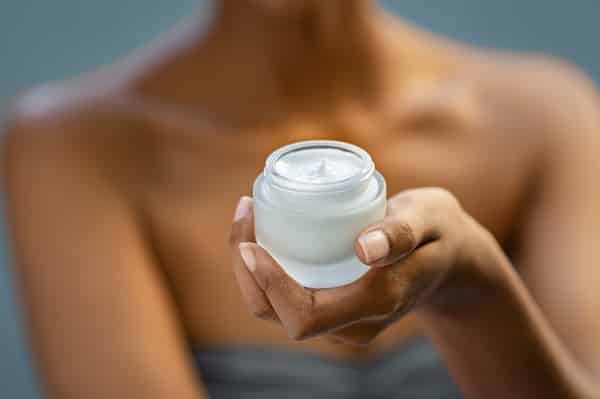
Moisturizers are incredibly important to keep your skin looking healthy and maintain its elasticity. Not only do they help you in looking good, but they also provide other critical health benefits. Applying a moisturizer is one of the most effective ways to ensure the longevity of your skin, trapping moisture that would otherwise be lost and preventing dryness, cracking, or even more severe complications such as allergies or infections. Moisturizers often include sunscreen, which helps protect your skin from UV radiation and premature aging.
It’s essential to use a moisturizer that suits your skin type and condition, alternating between lightweight hydrators for day wear and heavy night creams for an intensive layer of hydration overnight. Some contain antioxidants that help fight free radicals, and some can even help promote wound healing following sunburns or other skin irritations. Including moisturizing into your daily routine won’t just look great – you’ll also benefit from healthier and younger-looking skin for years to come!
Eating A Healthy Diet

Eating a healthy diet to look after your skin is essential for short- and long-term health. Not only can a healthy diet help improve skin texture, which can lead to improved confidence, but it also lowers the risk of diseases such as heart disease and cancer due to the presence of antioxidants and other nutrients that protect cells from harm. Eating a diet rich in fruits and vegetables, with lots of water and lean protein, provides a variety of vitamins and minerals that can help keep your skin looking its best.
Eating a balanced and nutritious diet will give you clearer skin with more radiance and improve your overall health. Making sure your body has enough good fats, such as omega-3 fatty acids found in fish like salmon, is also very important since they help create new skin cells, provide moisture, reduce inflammation, and give you glowing skin in the long run. Staying away from highly processed foods is paramount when trying to maintain healthy habits; all this unhealthy food does is fill you up on empty calories that increase cholesterol levels and cause breakouts due to its high glycemic load.
Applying Sunscreen

Applying sunscreen is an easy and essential step for taking care of your skin. Not only does it provide base protection from sunburns and skin damage, but researchers have found that its UV-blocking properties can also help to reduce wrinkles and prevent certain types of skin cancer. Sunscreen should be applied liberally to any exposed skin areas at least 30 minutes before going outdoors, but it’s best practice to reapply every two hours or after swimming or sweating heavily.
Applying sunscreen regularly can help protect your skin against further damage and even reverse some existing effects of sun exposure: so make sure you work it into your daily skincare routine! Fairer-skinned individuals should focus on SPF 50+, while those with darker coloring should opt for SPF 15 or higher since sunlight melanin production varies by individual. In addition to sunscreen, you should also consider wearing protective clothing, including sunglasses and wide-brimmed hats, whenever possible when in the sun; these are especially helpful when UV index levels reach three or higher.