Contents
Hydration and Inflammation

Staying adequately hydrated is a simple yet effective way to combat inflammation. Water helps flush out toxins from the body, which can contribute to inflammation. It also aids in transporting nutrients and oxygen to body cells, promoting overall health. The general recommendation is to drink at least eight 8-ounce glasses of water daily, although individual needs may vary depending on climate, physical activity, and overall health.
Despite its simplicity, maintaining hydration can be overlooked. Carrying a water bottle, consuming water-rich foods like fruits and vegetables, and setting reminders to drink water throughout the day can help ensure adequate hydration. Reducing the intake of dehydrating beverages like alcohol and high-caffeine drinks is also beneficial in managing inflammation.
Herbal Supplements
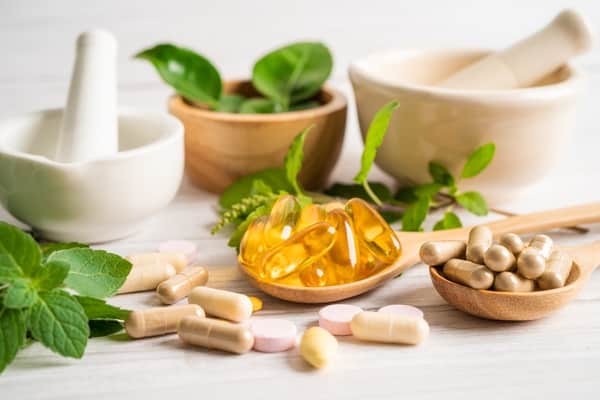
Herbal supplements have gained popularity for their anti-inflammatory properties. Supplements like turmeric, which contains curcumin, and ginger, known for its gingerol content, are widely recognized for reducing inflammation. These supplements can be taken in various forms, including capsules and teas, or incorporated into foods. They offer a natural approach to managing inflammation, complementing dietary and lifestyle changes.
However, it’s essential to approach herbal supplements with caution. Not all supplements suit everyone; some can interact with medications or have side effects. Consulting with a healthcare provider before starting any supplement regimen is crucial to ensure safety and effectiveness. Additionally, relying solely on supplements is not advisable; they should be part of a broader approach to managing inflammation.
Mind-Body Practices

Mind-body practices like yoga, tai chi, and qi gong benefit physical and mental health. These practices combine physical postures, breathing exercises, and meditation to reduce stress, enhance relaxation, and decrease inflammation. Regularly engaging in these activities can lead to significant improvements in inflammatory markers, as well as overall well-being.
Incorporating mind-body practices into daily routines doesn’t require extensive time commitments. Even short sessions can be effective. Many resources, including online classes and local community centers, offer guidance for beginners. These practices help manage inflammation and improve flexibility, balance, and strength, contributing to overall health.
Avoiding Environmental Toxins

Environmental toxins, such as pollutants, certain chemicals in plastics, and secondhand smoke, can contribute to inflammation. Minimizing exposure to these toxins is crucial for reducing inflammation. This can be achieved by using air purifiers, choosing products free from harmful chemicals, and avoiding areas with high pollution levels. Additionally, adopting habits like using reusable containers instead of plastic and avoiding processed foods can reduce exposure to these toxins.
Being conscious of the environment and making informed choices about the products used daily can significantly impact inflammation levels. Simple actions like choosing natural cleaning products, using public transportation or carpooling to reduce air pollution, and supporting policies that reduce environmental toxins are steps toward a healthier, less inflammatory lifestyle.
The Bottom Line
Combatting inflammation is a multifaceted endeavor encompassing dietary choices, physical activity, stress management, sleep hygiene, hydration, and mindful use of supplements and environmental choices. Each of these strategies uniquely contributes to managing and reducing inflammation, highlighting the importance of a holistic approach. By integrating these practices into daily routines, individuals can significantly improve their inflammatory status and health and well-being. It’s about making daily conscious choices that create a healthier lifestyle. As this article has shown, the power to combat inflammation effectively lies in simple, everyday actions, making the journey towards better health both achievable and empowering.