
Processed Meats
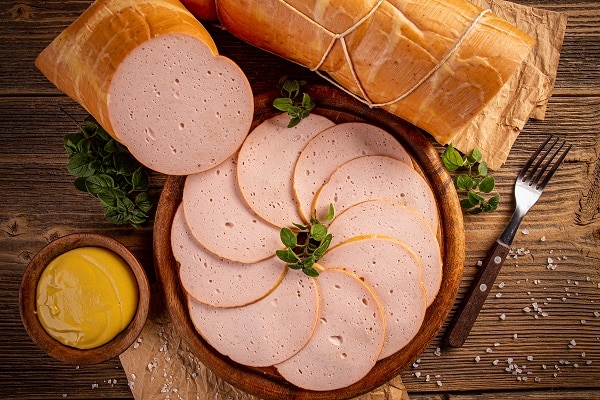
As you plan your fertility journey, it’s crucial to review your dietary habits, especially when it comes to processed meats. Foods like sausages, bacon, and hot dogs, despite their palatability, contain preservatives and other additives that can interfere with hormonal balance and overall fertility. Alarmingly, studies have linked excessive consumption of these processed meats with reduced fertility in men.
Rather than indulging in these convenient, but potentially harmful options, prioritize lean, unprocessed protein sources such as chicken, turkey, or even fish. Not only are these alternatives typically more nutrient-dense, but they can also positively influence your overall health and fertility, laying the groundwork for a healthier conception and pregnancy.
Trans Fats

Trans fats, hidden in processed foods, fast food, and many commercially baked goods, can sabotage your efforts to conceive. Consuming these harmful fats can increase the risk of ovulatory infertility by inducing insulin resistance and systemic inflammation. Additionally, trans fats can negatively impact sperm quality, further dampening fertility prospects for men.
The recommendation is clear: when trying to conceive, be proactive in limiting your intake of trans fats. Reading food labels carefully and focusing on whole, unprocessed foods can help you sidestep these unhealthy fats. Prioritize sources of healthy fats.
Caffeine And Alcohol

While enjoying a cup of coffee or a glass of wine may be part of your daily routine, it’s important to consider their potential impacts on fertility when trying to conceive. High levels of caffeine and alcohol can adversely affect both male and female fertility, potentially extending the time it takes to become pregnant.
For caffeine, it’s about striking a balance. Moderate consumption doesn’t appear to affect fertility, but excessive amounts might. As for alcohol, while occasional drinks may not harm fertility, chronic or heavy drinking is linked to reduced fertility and other health problems. Consider limiting intake or, better yet, abstaining, particularly when actively trying to conceive.
Refined Carbohydrates

Refined carbohydrates, found in foods like white bread, pastries, and some cereals, can trigger rapid spikes in blood sugar and insulin levels, leading to hormonal imbalances that could impair fertility. Furthermore, these refined carbs contribute to weight gain and obesity, both of which can negatively impact fertility.
It’s advisable to substitute refined carbohydrates with whole grains, which provide slow-releasing energy, helping to regulate blood sugar levels and support a healthy menstrual cycle. Prioritizing whole foods can aid in weight management and promote general well-being, both of which are advantageous when preparing for pregnancy.
Enhancing Your Ability To Conceive With A Balanced Diet
In essence, the path to parenthood is significantly impacted by your dietary and lifestyle choices. Emphasizing a diet rich in leafy greens, fatty fish, and whole grains, while reducing the intake of processed meats, trans fats, and refined carbohydrates can help boost your fertility. Being mindful of your caffeine and alcohol consumption is also vital when preparing for conception.
Remember, a balanced, nutrient-rich diet is key in creating an optimal environment for conception. Maintaining a healthy lifestyle with regular physical activity, ample sleep, and stress management complements a fertility-friendly diet. Think of this phase as a chance to nourish your body for the amazing journey of parenthood ahead. By adopting a balanced diet and healthy lifestyle, you’re setting the stage for a successful and enriching conception journey.