
Inflammation is a natural response your body uses to heal from injury or fight off harmful invaders. While short-term inflammation is helpful, chronic inflammation can silently contribute to serious health issues like heart disease, diabetes, and arthritis. The food you eat every day can either feed this internal fire or help cool it down. Many common foods are known to support your body’s natural ability to reduce inflammation and restore balance. By choosing nutrient-rich options filled with antioxidants, fiber, and healthy fats, you give your body the tools it needs to protect itself. These foods don’t just fight inflammation; they also boost energy, improve digestion, and support long-term wellness.
Why Your Diet Matters for Inflammation

The link between your diet and inflammation runs deeper than most people realize. Every bite you take sends signals to your body—some calming, others triggering. Highly processed foods loaded with sugar, trans fats, and refined carbs can cause your body to react with low-level inflammation. Over time, this can wear down your immune system and increase the risk of chronic conditions.
On the flip side, whole foods rich in nutrients help to lower inflammatory responses. Antioxidants found in fruits and vegetables, omega-3s from healthy fats, and fiber from whole grains all play a role in calming your body’s internal stress. Your gut health also matters, as it’s closely tied to inflammation levels. Feeding your body with the right ingredients promotes balance and helps keep your immune system functioning properly.
Fatty Fish: Nature’s Anti-Inflammatory Superfood
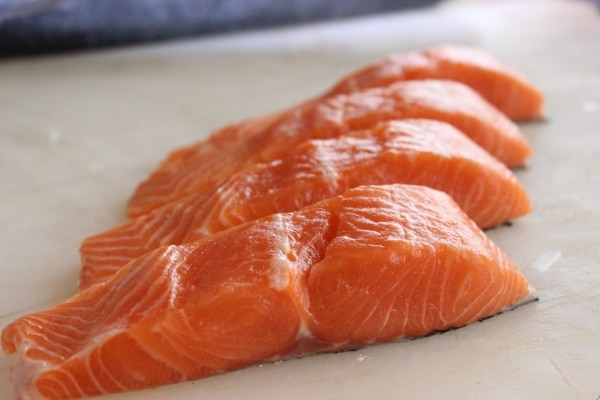
Fatty fish like salmon, sardines, and mackerel are among the most effective foods for fighting inflammation. These fish are rich in omega-3 fatty acids, which help reduce the body’s production of inflammatory chemicals. Studies have shown that people who eat fish regularly tend to have lower levels of C-reactive protein, a key marker of inflammation. Including just two servings a week can have a measurable impact on your health.
Fish also provides a clean source of protein and important nutrients like vitamin D and selenium. While fish oil supplements are available, eating whole fish delivers a wider range of benefits. Wild-caught varieties generally contain more omega-3s and fewer contaminants. Pairing fatty fish with vegetables or whole grains can create a nutrient-dense meal that supports overall wellness.
Leafy Greens That Pack a Nutritional Punch
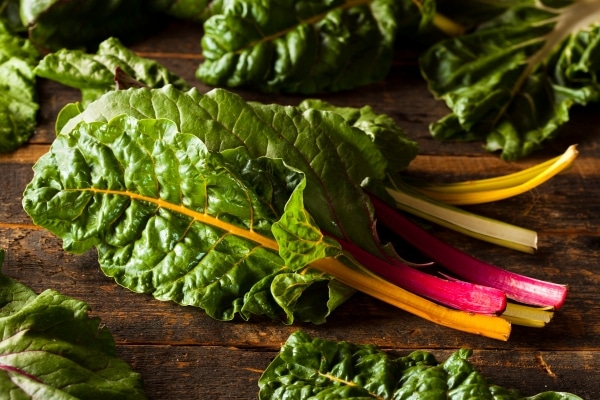
Leafy greens like spinach, kale, collard greens, and Swiss chard are packed with anti-inflammatory compounds. These vegetables are high in vitamins A, C, and K, which help protect your cells and regulate immune responses. Their fiber content also supports gut health, which plays a major role in reducing inflammation. Regular consumption of leafy greens is linked to lower risks of chronic diseases.
These greens are also rich in plant-based antioxidants that help counteract damage caused by oxidative stress. Including a variety of greens in your meals provides different nutrients and health benefits. They can be blended into smoothies, tossed into salads, or added to soups and stir-fries. Making greens a staple in your diet is a simple step that supports your body’s defense system.