Inflammation is a natural response your body uses to heal from injury or fight off harmful invaders. While short-term inflammation is helpful, chronic inflammation can silently contribute to serious health issues like heart disease, diabetes, and arthritis. The food you eat every day can either feed this internal fire or help cool it down. Many common foods are known to support your body’s natural ability to reduce inflammation and restore balance. By choosing nutrient-rich options filled with antioxidants, fiber, and healthy fats, you give your body the tools it needs to protect itself. These foods don’t just fight inflammation; they also boost energy, improve digestion, and support long-term wellness.
Contents
- 1 Why Your Diet Matters for Inflammation
- 2 Fatty Fish: Nature’s Anti-Inflammatory Superfood
- 3 Leafy Greens That Pack a Nutritional Punch
- 4 Berries: Tiny Fruits with Major Benefits
- 5 Spices That Soothe Inflammation Naturally
- 6 Nuts and Seeds for Long-Term Inflammation Control
- 7 Whole Grains That Don’t Trigger Inflammation
- 8 The Path to Less Inflammation Starts Here
Why Your Diet Matters for Inflammation

The link between your diet and inflammation runs deeper than most people realize. Every bite you take sends signals to your body—some calming, others triggering. Highly processed foods loaded with sugar, trans fats, and refined carbs can cause your body to react with low-level inflammation. Over time, this can wear down your immune system and increase the risk of chronic conditions.
On the flip side, whole foods rich in nutrients help to lower inflammatory responses. Antioxidants found in fruits and vegetables, omega-3s from healthy fats, and fiber from whole grains all play a role in calming your body’s internal stress. Your gut health also matters, as it’s closely tied to inflammation levels. Feeding your body with the right ingredients promotes balance and helps keep your immune system functioning properly.
Fatty Fish: Nature’s Anti-Inflammatory Superfood
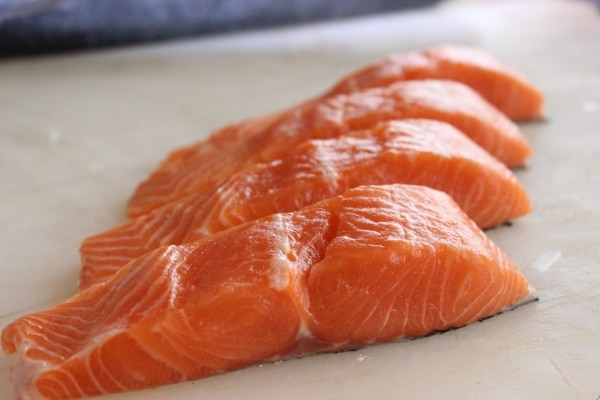
Fatty fish like salmon, sardines, and mackerel are among the most effective foods for fighting inflammation. These fish are rich in omega-3 fatty acids, which help reduce the body’s production of inflammatory chemicals. Studies have shown that people who eat fish regularly tend to have lower levels of C-reactive protein, a key marker of inflammation. Including just two servings a week can have a measurable impact on your health.
Fish also provides a clean source of protein and important nutrients like vitamin D and selenium. While fish oil supplements are available, eating whole fish delivers a wider range of benefits. Wild-caught varieties generally contain more omega-3s and fewer contaminants. Pairing fatty fish with vegetables or whole grains can create a nutrient-dense meal that supports overall wellness.
Leafy Greens That Pack a Nutritional Punch
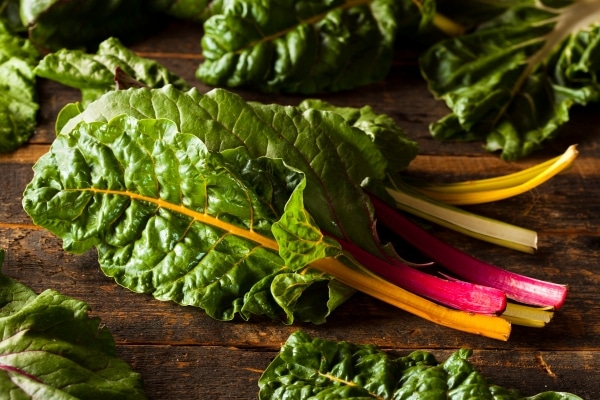
Leafy greens like spinach, kale, collard greens, and Swiss chard are packed with anti-inflammatory compounds. These vegetables are high in vitamins A, C, and K, which help protect your cells and regulate immune responses. Their fiber content also supports gut health, which plays a major role in reducing inflammation. Regular consumption of leafy greens is linked to lower risks of chronic diseases.
These greens are also rich in plant-based antioxidants that help counteract damage caused by oxidative stress. Including a variety of greens in your meals provides different nutrients and health benefits. They can be blended into smoothies, tossed into salads, or added to soups and stir-fries. Making greens a staple in your diet is a simple step that supports your body’s defense system.
Berries: Tiny Fruits with Major Benefits
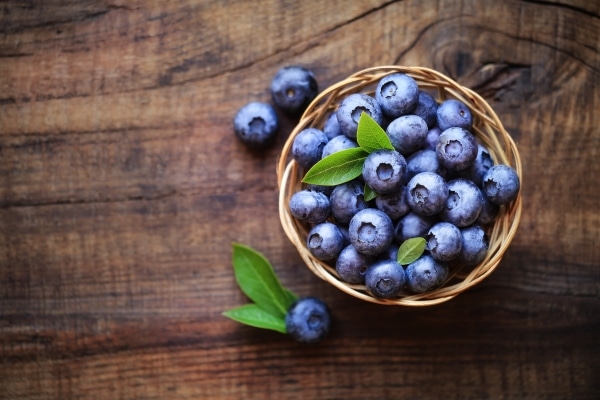
Berries such as blueberries, strawberries, raspberries, and blackberries are loaded with antioxidants known as anthocyanins. These powerful plant compounds help neutralize free radicals and reduce inflammation throughout the body. Eating berries regularly is associated with lower levels of certain inflammatory markers and improved heart health. They’re also low in calories and high in fiber, making them a smart choice for daily snacking.
Their natural sweetness makes them an easy addition to meals without the need for added sugar. You can toss them into oatmeal, mix them into yogurt, or enjoy them frozen for a refreshing treat. Even small servings of berries offer significant health benefits over time. Incorporating these vibrant fruits into your diet can help your body heal, protect your cells, and feel more energized.
Spices That Soothe Inflammation Naturally

Certain spices have powerful anti-inflammatory properties that can be easily added to your daily meals. Turmeric is one of the most well-known, thanks to its active compound, curcumin, which helps block inflammatory pathways in the body. Adding black pepper alongside turmeric increases its absorption, making it more effective. Ginger is another potent spice that can help ease joint pain and muscle soreness due to its natural compounds called gingerols.
Cinnamon also deserves attention, especially for those managing blood sugar levels. It contains antioxidants that may reduce the body’s inflammatory response to spikes in glucose. These spices can be used in savory dishes, teas, smoothies, or even baked goods. Incorporating a mix of anti-inflammatory spices not only boosts flavor but also provides your body with natural healing support. A pinch here and there can make a noticeable difference over time.
Nuts and Seeds for Long-Term Inflammation Control
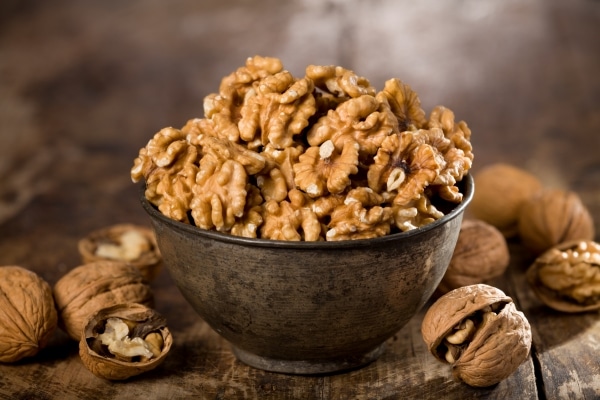
Nuts and seeds are small but mighty when it comes to fighting inflammation. Walnuts, almonds, chia seeds, and flaxseeds are especially beneficial because they contain healthy fats, fiber, and antioxidants. These nutrients work together to reduce oxidative stress and calm the body’s immune response. Eating just a small handful a day has been shown to lower inflammation markers in the blood.
Chia and flaxseeds also provide plant-based omega-3s, which are key for reducing inflammation in a natural way. They’re easy to sprinkle into yogurt, blend into smoothies, or mix into baked recipes. Nut butters can also be a convenient option as long as they don’t contain added sugars or unhealthy oils. When eaten regularly, nuts and seeds support heart health, stable energy levels, and a more resilient immune system.
Whole Grains That Don’t Trigger Inflammation
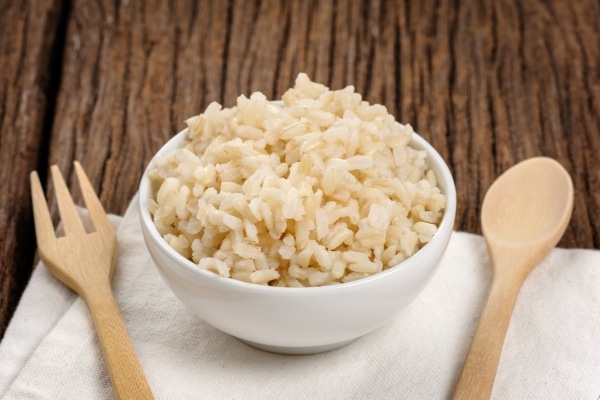
Whole grains offer a steady source of energy while also helping to fight inflammation. Unlike refined grains, whole grains like oats, quinoa, barley, and brown rice retain their natural fiber and nutrients. This fiber supports a healthy gut microbiome, which plays a crucial role in regulating inflammation. Whole grains also help prevent blood sugar spikes, which can contribute to inflammatory responses.
Choosing these grains over white bread, pastries, and other processed carbs makes a meaningful difference. They’re versatile and can be used in everything from breakfast bowls to dinner side dishes. It’s important to check labels, as some products may appear healthy but are mostly refined flour. By consistently choosing whole grains, you’re giving your body the nutrients it needs to maintain balance and reduce chronic inflammation over time.
The Path to Less Inflammation Starts Here
Controlling inflammation through your diet doesn’t have to feel overwhelming or restrictive. By gradually incorporating more of these nutrient-rich foods into your daily routine, you support your body’s natural defenses and overall well-being. Small, consistent changes can lead to noticeable improvements in energy, digestion, and long-term health. Whether it’s adding a handful of berries to breakfast or swapping in leafy greens at dinner, every choice you make matters. With each bite, you’re giving your body what it needs to fight back against silent inflammation.