Contents
Lat Pulldowns and Pull-Ups

Lat pulldowns and pull-ups are excellent exercises for targeting the upper back, particularly the latissimus dorsi. While lat pulldowns are performed using a machine, offering a controlled movement, pull-ups are bodyweight exercises that require significant upper body strength. Both exercises effectively build a wide, strong back and improve overall upper body strength. It’s essential to focus on the full range of motion and proper form to maximize the benefits and avoid injury.
For beginners, lat pulldowns are a great starting point to build the necessary strength for pull-ups. Pull-ups can be modified using resistance bands or assisted pull-up machines to make them more accessible. As one progresses, varying grip width and style in both exercises can target different areas of the back. Consistent practice and gradually increasing the difficulty of these exercises can lead to significant improvements in back strength and muscle development.
Isolation Exercises For Targeted Strength

Isolation exercises like hyperextensions and face pulls are crucial for targeting specific muscles in the back. Hyperextensions focus on the lower back, particularly the erector spinae, and are essential for overall back health and strength. Face pulls, on the other hand, target the upper back and rear deltoids, improving shoulder stability and posture. These exercises are important for balancing the development of back muscles and preventing muscle imbalances.
Incorporating isolation exercises into a back workout routine ensures that all areas of the back receive adequate attention. It’s important to perform these exercises with proper form and controlled movements to maximize their effectiveness and minimize the risk of injury. Balancing compound movements like deadlifts and rows with isolation exercises creates a well-rounded back workout that promotes strength and muscle symmetry.
Incorporating Bodyweight Exercises
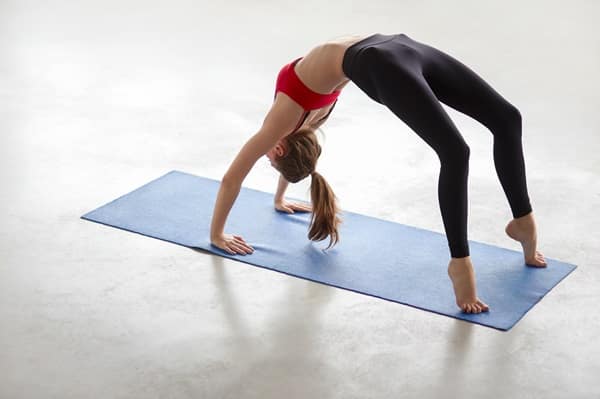
Bodyweight exercises are a versatile and effective way to build back strength without the need for equipment. Exercises like inverted rows and back bridges can be performed almost anywhere and are excellent for strengthening the entire back. Inverted rows, in particular, are great for targeting the middle and upper back muscles, while back bridges focus on the lower back and spine flexibility.
These exercises are not only convenient but also highly adaptable to different fitness levels. Modifications can be made to increase or decrease the difficulty, making them suitable for both beginners and advanced athletes. Regularly including bodyweight exercises in a back workout routine can lead to improved muscle endurance, strength, and overall back health.
Rest, Recovery, and Nutrition

Rest and recovery are as important as the exercises themselves in building back strength. Adequate rest allows the muscles to repair and grow stronger, reducing the risk of overtraining and injury. It’s important to include rest days in a workout routine and to listen to the body’s signals to avoid excessive strain.
Nutrition also plays a critical role in muscle recovery and growth. A diet rich in protein, healthy fats, and complex carbohydrates supports muscle repair and energy needs. Hydration is also crucial for overall health and muscle function. Balancing intense back workouts with proper rest, recovery, and nutrition ensures sustainable muscle growth and strength development.
Take Your Back Strength To The Next Level
Building back strength is a multifaceted approach that involves understanding muscle anatomy, engaging in a variety of exercises, and ensuring proper rest and nutrition. By incorporating these strategies into your routine, you can achieve a stronger, more resilient back. Remember, consistency and patience are key. Start incorporating these exercises into your gym routine today and experience the profound benefits of a stronger back, from improved posture to enhanced athletic performance.