Smoking and vaping are two of the most common methods of consuming nicotine, and both have health risks. Smoking has a variety of health problems, including cancer, heart disease, and stroke. Vaping is a newer phenomenon, and the long-term effects are not yet known. However, early research suggests that vaping may be less harmful than smoking. This blog post will discuss the health benefits of quitting smoking and vaping.
Cardiovascular Health

Smoking and vaping are two worst things you can do for cardiovascular health. The harmful chemicals in cigarettes and e-cigarettes damage your blood vessels and make it harder for your heart to pump blood. These toxins also increase your risk of developing cardiovascular disease and can worsen existing cardiovascular conditions. Quitting smoking and vaping is one of the best things you can do for your cardiovascular health. It’s never too late to quit, and a short break from smoking or vaping can positively impact your cardiovascular health. So, quitting smoking and vaping is a great place to start if you’re looking to improve your cardiovascular health.
Improves Vision and Hearing
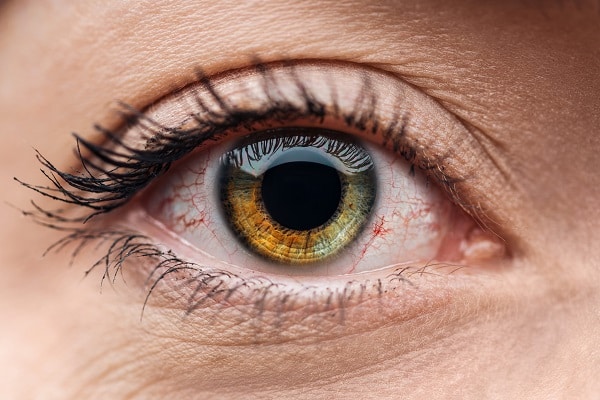
When people think about the benefits of quitting smoking and drinking, they often focus on the impact of these habits on the lungs and liver. However, giving up these unhealthy behaviors can also have a positive effect on vision and hearing. Smoking is a leading cause of macular degeneration, a condition that results in the loss of central vision. Alcohol consumption can damage the delicate cells in the inner ear, leading to hearing loss. In addition, both smoking and drinking can contribute to dry eyes, a condition that can make vision blurry and uncomfortable. Quitting these habits can help improve vision, hearing, and overall health.
Improves Acne And Saggy Skin

Acne is a common skin condition that can cause a variety of blemishes, from blackheads and whiteheads to inflamed pimples and cysts. While acne is often a teenage problem, it can affect people of all ages. Many factors can contribute to acne, including genetics, hormones, and diet. However, one of the most surprising acne triggers is smoking. Studies have shown that smoking can aggravate acne by causing inflammation and clogging pores. In addition, the chemicals in cigarette smoke can damage collagen and elastin, two proteins that help keep skin looking young and healthy. As a result, smokers are more likely to develop saggy skin and wrinkles. Quitting smoking can help improve acne and prevent premature aging Drinking alcohol can also have negative effects on skin health. Alcohol dehydrates the body, which can lead to dry, irritated skin. It can also make acne-prone skin more oily and increase the production of sebum, a substance that can clog pores and lead to breakouts. If you’re struggling with acne, cutting back on alcohol or quitting drinking altogether may help improve your skin health.