Contents
Single-Leg Deadlift
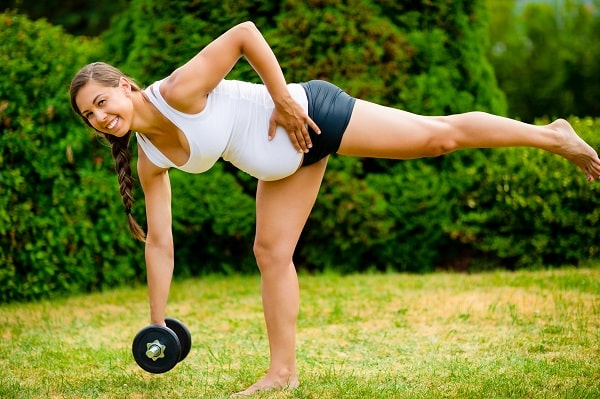
Single-Leg Deadlifts serve as an excellent exercise for improving balance while working the major muscles in the lower body. By standing on one leg and hinging at the hips to lift the other leg, one can target the glutes, hamstrings, and lower back. Moreover, this exercise challenges the body’s stability, leading to improved balance over time. It’s an excellent choice for athletes looking to enhance their sports performance or anyone aiming to improve their everyday balance.
While performing Single-Leg Deadlifts, remember to keep the core engaged and the back straight. Avoid locking the knee of the standing leg and focus on a point in front to help maintain balance. It’s normal to wobble a little when starting out, but with persistence and focus, improvement will come. This exercise not only improves balance but also promotes functional fitness, making everyday tasks easier and safer.
Tree Pose
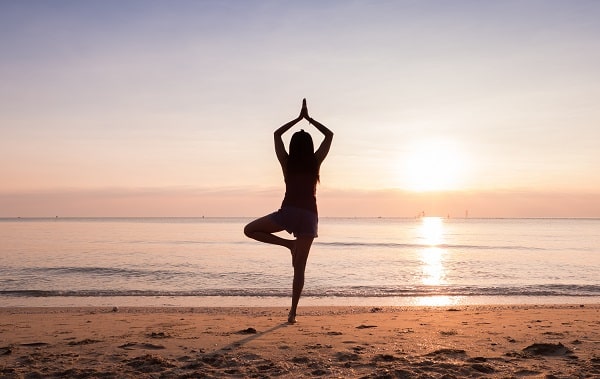
Tree Pose, a popular yoga posture, is a fantastic exercise for improving balance and promoting calmness and focus. By standing on one leg and placing the other foot on the standing leg, this pose challenges balance and stability. Additionally, Tree Pose strengthens the legs, core, and ankles while stretching the inner thighs and groins, promoting overall body health and well-being.
To execute Tree Pose safely and effectively, keep the standing leg strong and rooted to the ground. If balance is a challenge at first, try placing the foot of the bent leg on the calf or ankle instead of the inner thigh. Also, remember to focus on a point in front to help with balance. With regular practice, Tree Pose can help improve body awareness, balance, and focus while providing a moment of calm and mindfulness in daily routines.
Single Leg Cross-Body Punches
Single Leg Cross-Body Punches combine elements of balance, coordination, and strength training. This exercise requires standing on one leg while performing cross-body punches, which challenges balance while working the core and upper body. Beyond its balance-enhancing properties, it helps to improve coordination and agility, making it a comprehensive and efficient exercise suitable for all fitness levels.
When executing Single Leg Cross-Body Punches, it’s important to engage the core and keep the movements controlled. If balance is a struggle, try tapping the lifted foot on the ground for stability as needed. As balance improves, try to increase the speed of the punches or the length of time balancing on one leg. This exercise offers a fun and dynamic way to improve balance, and regular practice will yield noticeable results.
Heel-Toe Walking

Heel-Toe Walking, sometimes referred to as “tandem walking,” is an easy but effective balance exercise that mimics a field sobriety test. This activity is particularly beneficial for older adults as it directly targets the kind of balance required for daily activities like walking on uneven surfaces or in crowded areas. By practicing Heel-Toe Walking regularly, one can enhance balance, coordination, and overall mobility.
To perform this exercise, walk in a straight line, placing the heel of one foot directly in front of the toe of the other foot. Keep the gaze forward and the arms out to the side for balance if needed. It may seem simple, but it will challenge balance and stability. Over time, Heel-Toe Walking can improve balance, which can reduce the risk of falls and make daily activities safer and more efficient.
The Bottom Line
Improving balance is a worthwhile endeavor for people of all ages and fitness levels. The exercises mentioned offer a range of ways to enhance balance, stability, and strength. Remember, improvement comes with time and consistency, so be patient with the process. Adding these exercises to daily routines will not only increase balance but also contribute to better physical health and improved performance in both sports and everyday activities. So, why wait? Start incorporating these balance exercises into daily routines and feel the difference.