Skip to content

Are Collagen Supplements the Ultimate Solution for Aging Skin?

    As we age, maintaining youthful and radiant skin becomes a priority for many. Collagen, a structural protein, plays a crucial role in keeping skin firm, plump, and hydrated. Unfortunately, natural collagen production declines with age, leading to wrinkles, sagging, and other signs of aging. Collagen supplements have emerged as a popular solution, promising to restore skin’s youthful appearance. But do they truly deliver on these promises, or is the hype exaggerated? This post takes a deep dive into what collagen does for your skin, how supplements work, and whether they can really combat the effects of aging.

    Understanding Collagen and Its Role in Skin Health

     Collagen Supplements

    Collagen is the most abundant protein in the human body, forming the foundation of your skin, bones, and connective tissues. In the skin, it acts as a scaffolding, maintaining elasticity and structure. This protein ensures that the skin remains firm, smooth, and hydrated, giving it a youthful appearance. However, as early as your mid-20s, collagen production starts to slow down, gradually diminishing your skin’s ability to bounce back.

    The reduction in collagen levels leads to visible signs of aging, such as fine lines, wrinkles, and sagging. Without sufficient collagen, the skin also loses hydration and appears less vibrant. Environmental factors like UV exposure and smoking accelerate collagen breakdown, further compounding the problem. These changes often prompt individuals to seek solutions, with collagen supplements standing out as a promising option.

    Types of Collagen Supplements
     Collagen Supplements

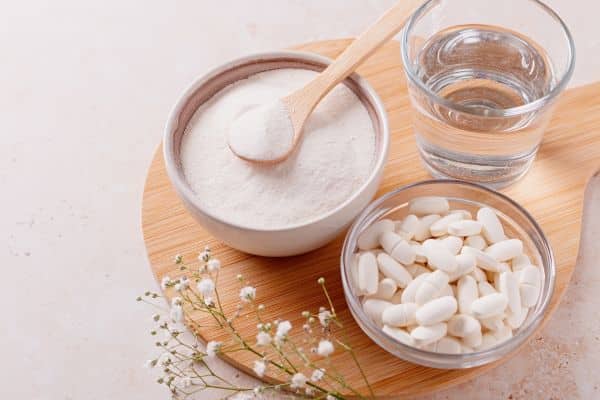
    Collagen supplements come in various forms, each with unique benefits and absorption properties. Hydrolyzed collagen, also known as collagen peptides, is one of the most popular forms due to its high bioavailability. Marine collagen, derived from fish, is prized for its smaller particle size and efficient absorption. Gelatin, on the other hand, is less processed and can be used in cooking to support collagen intake.

    These supplements are available in powders, capsules, and ready-to-drink liquids, catering to different preferences and lifestyles. Powders can be easily mixed into beverages, while capsules are a convenient option for those on the go. Ready-to-drink options often combine collagen with other skin-nourishing ingredients, making them a complete beauty solution. Understanding these options can help consumers choose the right supplement for their needs.

    How Collagen Supplements Work in the Body

     Collagen Supplements

    When you consume collagen supplements, they are broken down into amino acids during digestion. These amino acids, such as glycine and proline, are then absorbed into the bloodstream and used by the body to produce new collagen. This process not only replenishes lost collagen but also stimulates natural production in the skin, joints, and other tissues. The goal is to provide the building blocks needed to restore and maintain healthy, youthful skin.

    However, it’s important to understand that collagen supplements don’t work as a direct replacement for collagen loss. Instead, they act as a stimulus for the body to produce more collagen naturally. Additionally, nutrients like vitamin C and zinc are essential for this process to be effective. Without a balanced diet and proper supplementation, the benefits of collagen may be limited.


    Scientific Evidence Supporting Collagen Supplements

     Collagen Supplements

    Collagen supplements have gained credibility through numerous scientific studies that support their effectiveness. Research shows that consistent use of collagen supplements can improve skin hydration, elasticity, and overall appearance. A study published in a dermatology journal found that participants experienced a significant reduction in wrinkles after eight weeks of taking hydrolyzed collagen. These findings have fueled the growing interest in collagen as a potential anti-aging solution.

    While the results are promising, it’s important to note that outcomes can vary among individuals. Factors like age, overall health, and lifestyle habits play a crucial role in determining the effectiveness of collagen supplements. Additionally, most studies emphasize the importance of long-term, consistent use for noticeable results. This reinforces the idea that collagen supplements are part of a broader skincare and health routine rather than a quick fix.

    Potential Drawbacks and Considerations

     Collagen Supplements

    While collagen supplements offer promising benefits, they are not without potential drawbacks. One major concern is the lack of regulation in the supplement industry, which can lead to inconsistent product quality. Some supplements may contain unwanted additives, allergens, or even contaminants, posing risks to consumers. Additionally, individuals with specific dietary restrictions, such as vegans or vegetarians, may struggle to find collagen products that align with their values.

    Another factor to consider is that not everyone will see the same results from collagen supplements. Genetics, age, and lifestyle choices can influence how the body utilizes these supplements. Moreover, collagen supplements are not a replacement for a healthy diet, and relying on them without addressing other factors may limit their effectiveness. For some, the cost of high-quality collagen products may also be prohibitive, raising questions about their long-term sustainability.

    Additional Ways to Support Skin Health

     Collagen Supplements

    Collagen supplements can be beneficial, but they work best when combined with other skin-nourishing practices. A balanced diet rich in vitamin C, antioxidants, and omega-3 fatty acids supports natural collagen production and protects against skin damage. Foods like citrus fruits, berries, and fatty fish provide essential nutrients that complement collagen supplementation. Staying hydrated and consuming adequate protein also play a role in maintaining skin health.

    In addition to dietary changes, lifestyle habits can significantly impact skin health. Avoiding excessive sun exposure, quitting smoking, and managing stress can slow collagen breakdown and improve overall skin quality. Incorporating regular exercise improves circulation, delivering vital nutrients to the skin. Together, these practices create a holistic approach to maintaining youthful, vibrant skin, with or without collagen supplements.

    Are Collagen Supplements the Ultimate Solution?

     Collagen Supplements

    Collagen supplements can be a valuable tool in the fight against aging, but they are not a miracle cure. While studies support their benefits, they work best when combined with a healthy lifestyle and realistic expectations. Supplements may improve hydration, elasticity, and reduce wrinkles, but they cannot reverse all signs of aging. It’s essential to view them as part of a broader skincare and health routine.

    Ultimately, the effectiveness of collagen supplements depends on the individual. Factors like consistent use, overall diet, and genetics play a significant role in the results achieved. For those seeking comprehensive skin health, combining collagen with a nutrient-rich diet and good skincare habits is key. While collagen supplements are helpful, a balanced approach is the true solution for maintaining youthful, radiant skin.

    Unlock the Secret to Healthier Skin

    Collagen supplements can be a helpful addition to your skincare routine, but they aren’t a one-size-fits-all solution. Achieving youthful, radiant skin requires more than just supplements—it involves a holistic approach that includes a balanced diet, healthy habits, and proper skincare. While collagen can support your skin’s health, its effectiveness varies based on individual factors. Before starting any supplement, it’s wise to consult a professional and set realistic expectations. With the right combination of efforts, glowing, healthy skin is within reach.