Little Debbie Swiss Rolls
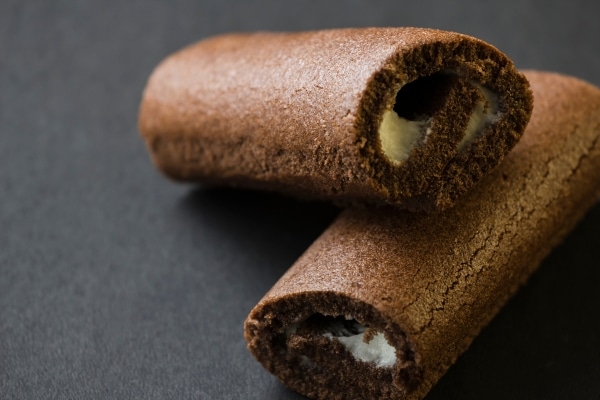
Little Debbie Swiss Rolls may seem like an innocent treat, but the snack’s ingredients have drawn criticism overseas. These cakes contain artificial food dyes like Yellow 5 and Red 40, which have been associated with behavioral issues in children and possible allergic reactions. Countries like Norway and Austria have gone as far as banning products that use these dyes, citing the potential risks they pose to public health. In the European Union, products containing these additives must carry warning labels that alert consumers to possible negative effects.
In the United States, however, these same dyes are used widely in baked goods, cereals, and candies without any such warnings. The lack of labeling makes it difficult for parents to identify and avoid these controversial ingredients. Although the FDA deems them safe in regulated amounts, growing research continues to challenge that position. The global backlash against artificial dyes raises an important question—should taste and appearance outweigh safety concerns?
Pre-Packaged Ground Beef
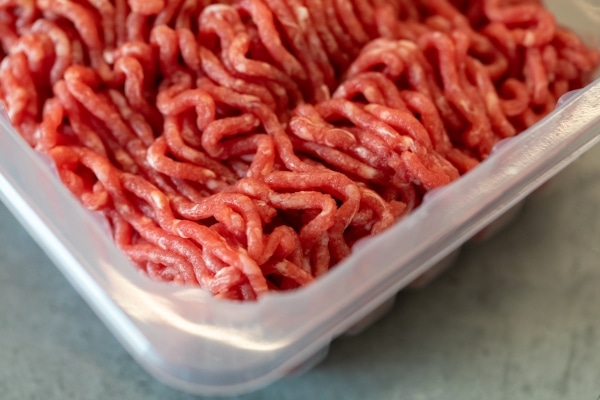
In American supermarkets, pre-packaged ground beef often contains an ingredient known as lean, finely textured beef or, more infamously, “pink slime.” This filler is made from beef trimmings that are treated with ammonia gas to kill bacteria before being added back into ground beef products. Though legal in the United States, the process has raised eyebrows in countries like Canada and members of the European Union, which have banned its use entirely. Their concern lies in both the chemical treatment and the lack of transparency in food labeling.
In the U.S., products containing pink slime were once added without informing consumers, though public pressure has led to some reform. Even with increased awareness, many Americans still unknowingly consume this ingredient in school lunches, fast food, and store-bought ground beef. Critics argue that the practice prioritizes cost-saving over quality and consumer health. The bans abroad reflect a more precautionary approach, demanding greater accountability from meat processors.
Stove Top Stuffing
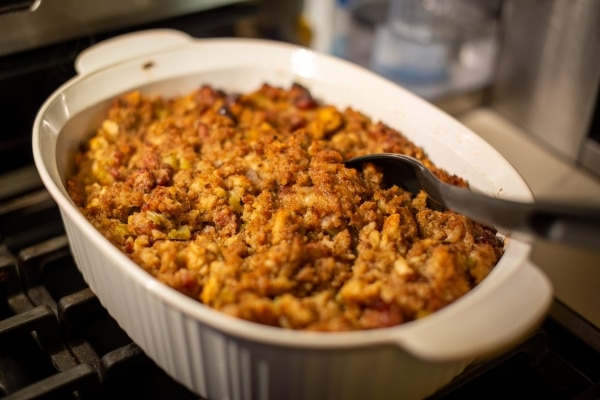
Stove Top Stuffing is a popular side dish, especially during the holidays, but it contains preservatives that have been flagged as potential health hazards. Specifically, the product uses BHA (butylated hydroxyanisole) and BHT (butylated hydroxytoluene), both of which are linked to cancer in animal studies. These chemicals are banned in countries like the United Kingdom, Japan, and across the European Union due to their possible carcinogenic effects. Despite this, they remain legal and widely used in processed foods throughout the United States.
These preservatives are meant to extend shelf life and prevent spoilage, but at what cost? Critics argue that the risks far outweigh the convenience of longer-lasting food. Many consumers are unaware that such additives are present in their everyday meals, largely because the ingredients are hidden in fine print. Other countries have decided that food safety should come first, and their bans highlight just how far U.S. food policy still has to go.
It’s Time to Rethink What You’re Eating
The fact that so many everyday American foods are banned in other countries should prompt a closer look at what’s really in your kitchen. These bans aren’t based on rumors—they’re grounded in research, health concerns, and consumer protection. While the U.S. allows certain additives that others reject, it’s up to you to stay informed and read ingredient labels carefully. Food choices may be personal, but understanding the risks hidden in your grocery cart is one of the most powerful steps you can take for your long-term health.