America’s grocery store aisles are filled with brightly packaged foods, sweet snacks, and convenient meals that many people consume without a second thought. But what’s considered perfectly normal in the United States can be shocking to health regulators in other countries. In fact, several popular American foods are completely banned abroad due to serious concerns over their ingredients. From artificial dyes to questionable chemical additives, these bans highlight just how different food safety standards can be around the world.
Contents
Skittles
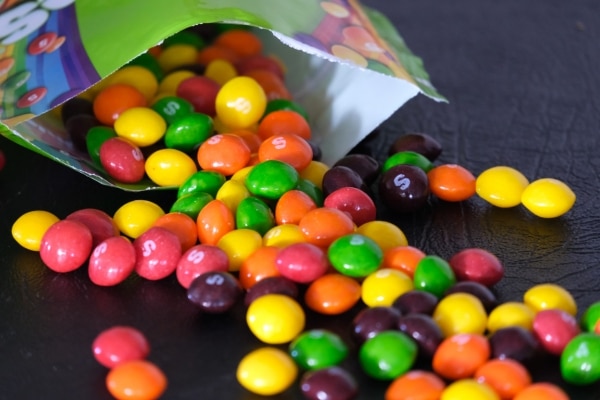
Skittles may be a favorite candy for many, but their ingredients have sparked international concern. These rainbow-colored candies contain synthetic dyes like Yellow 5, Yellow 6, and Red 40, which have been linked to behavioral issues in children, including hyperactivity and attention problems. Some European countries have either banned these dyes or require warning labels to inform consumers of the risks. While they remain widely available in the U.S., overseas regulators take a more cautious approach when it comes to food coloring.
The controversy over Skittles is part of a broader conversation about artificial additives in food. Research has raised questions about the long-term effects of synthetic dyes on health, especially in children, leading countries like Norway and Austria to prohibit their use. Meanwhile, the European Union has demanded clear labeling on products containing these dyes, urging consumers to make informed choices. This difference in policy highlights how one candy can be seen as harmless in one country but hazardous in another.
Mountain Dew
Mountain Dew stands out not just for its bright color and citrus flavor but also for an ingredient that has caused alarm in other parts of the world. The soda contains brominated vegetable oil (BVO), a chemical used to stabilize flavoring that’s also found in flame retardants. Studies have suggested that BVO can build up in the body, potentially leading to issues like memory loss, skin irritation, and nerve problems. Due to these concerns, the European Union and Japan have banned the substance entirely.
In the United States, however, BVO is still allowed in small amounts in certain drinks. While some manufacturers have removed it following public pressure, others continue to use it without prominently advertising its presence. The decision to keep BVO on shelves in the U.S. highlights the stark contrast in food safety standards around the world. Consumers who regularly drink sodas containing BVO may be unaware of the potential risks associated with long-term exposure.
Farm-Raised Salmon
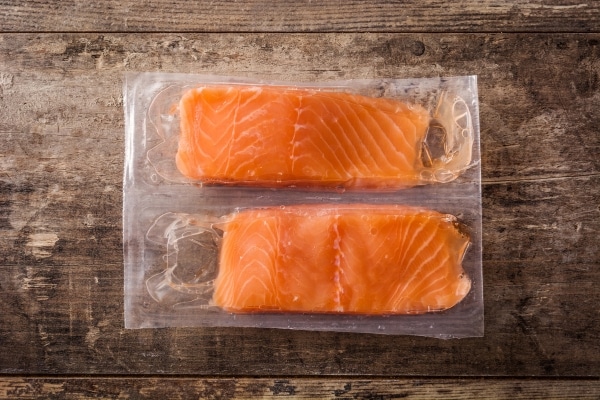
Farm-raised salmon in the United States are often fed synthetic additives to enhance their pink color, mimicking the natural hue found in wild salmon. One such additive is synthetic astaxanthin, a coloring agent not approved for use in human consumption in some countries. Australia and New Zealand have banned farmed salmon that uses these artificial pigments due to health concerns. These countries argue that consumers should not be unknowingly ingesting chemicals just to make fish appear fresher.
Beyond color, farm-raised salmon also raise concerns about antibiotic use and environmental sustainability. Many fish farms rely on antibiotics to prevent disease in overcrowded conditions, which can contribute to antibiotic resistance in humans. Critics argue that these practices not only impact consumer health but also pose a threat to marine ecosystems. The bans and restrictions placed by other countries reflect a desire to prioritize both public health and environmental well-being.
American Pork
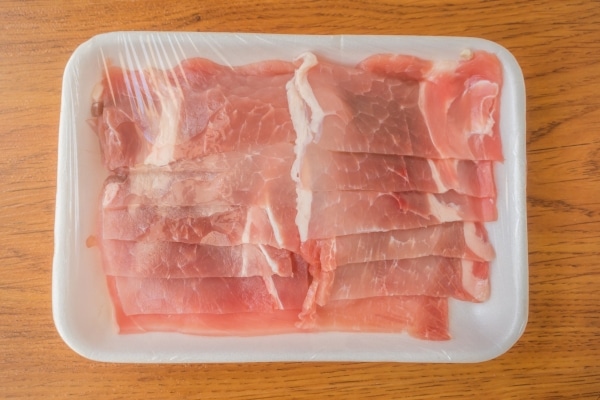
American pork producers commonly use a drug called ractopamine to promote lean muscle growth in pigs, speeding up the process of getting meat to market. While it increases efficiency, ractopamine has been banned in over 160 countries due to its potential side effects in humans. Studies have raised concerns about cardiovascular stress, hyperactivity, and behavioral changes linked to consumption. Despite this, the U.S. continues to allow its use without mandatory labeling, leaving consumers largely in the dark.
This has led to international trade tensions, with countries like China, Russia, and members of the European Union refusing to import American pork raised with ractopamine. These governments cite both animal welfare and public health risks as justification for their bans. The issue has also fueled domestic debate about transparency in food labeling and the role of government regulation. While American consumers may never see a warning on their pork chops, global scrutiny suggests the concerns are far from baseless.
Little Debbie Swiss Rolls

Little Debbie Swiss Rolls may seem like an innocent treat, but the snack’s ingredients have drawn criticism overseas. These cakes contain artificial food dyes like Yellow 5 and Red 40, which have been associated with behavioral issues in children and possible allergic reactions. Countries like Norway and Austria have gone as far as banning products that use these dyes, citing the potential risks they pose to public health. In the European Union, products containing these additives must carry warning labels that alert consumers to possible negative effects.
In the United States, however, these same dyes are used widely in baked goods, cereals, and candies without any such warnings. The lack of labeling makes it difficult for parents to identify and avoid these controversial ingredients. Although the FDA deems them safe in regulated amounts, growing research continues to challenge that position. The global backlash against artificial dyes raises an important question—should taste and appearance outweigh safety concerns?
Pre-Packaged Ground Beef
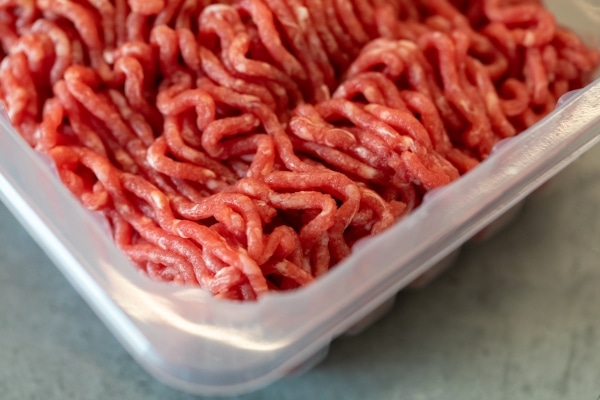
In American supermarkets, pre-packaged ground beef often contains an ingredient known as lean, finely textured beef or, more infamously, “pink slime.” This filler is made from beef trimmings that are treated with ammonia gas to kill bacteria before being added back into ground beef products. Though legal in the United States, the process has raised eyebrows in countries like Canada and members of the European Union, which have banned its use entirely. Their concern lies in both the chemical treatment and the lack of transparency in food labeling.
In the U.S., products containing pink slime were once added without informing consumers, though public pressure has led to some reform. Even with increased awareness, many Americans still unknowingly consume this ingredient in school lunches, fast food, and store-bought ground beef. Critics argue that the practice prioritizes cost-saving over quality and consumer health. The bans abroad reflect a more precautionary approach, demanding greater accountability from meat processors.
Stove Top Stuffing

Stove Top Stuffing is a popular side dish, especially during the holidays, but it contains preservatives that have been flagged as potential health hazards. Specifically, the product uses BHA (butylated hydroxyanisole) and BHT (butylated hydroxytoluene), both of which are linked to cancer in animal studies. These chemicals are banned in countries like the United Kingdom, Japan, and across the European Union due to their possible carcinogenic effects. Despite this, they remain legal and widely used in processed foods throughout the United States.
These preservatives are meant to extend shelf life and prevent spoilage, but at what cost? Critics argue that the risks far outweigh the convenience of longer-lasting food. Many consumers are unaware that such additives are present in their everyday meals, largely because the ingredients are hidden in fine print. Other countries have decided that food safety should come first, and their bans highlight just how far U.S. food policy still has to go.
It’s Time to Rethink What You’re Eating
The fact that so many everyday American foods are banned in other countries should prompt a closer look at what’s really in your kitchen. These bans aren’t based on rumors—they’re grounded in research, health concerns, and consumer protection. While the U.S. allows certain additives that others reject, it’s up to you to stay informed and read ingredient labels carefully. Food choices may be personal, but understanding the risks hidden in your grocery cart is one of the most powerful steps you can take for your long-term health.