Contents
Avoiding Water Contact
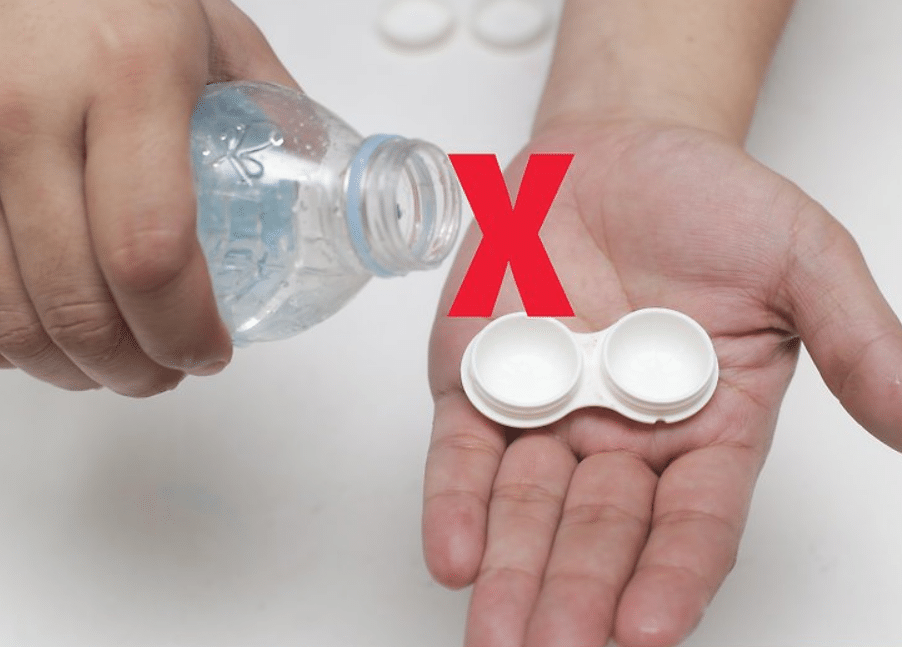
Water and contact lenses do not mix well. Exposing contact lenses to water, be it in a shower, swimming pool, or natural body of water, can lead to serious eye infections, including Acanthamoeba keratitis. This infection is caused by a microorganism found in water and can lead to permanent vision impairment or blindness. It is essential to remove contact lenses before any activity involving water. If contact with water is unavoidable, like in certain sports, consider wearing waterproof goggles to protect your lenses and eyes, and always use fresh, clean lenses afterward.
Adhering to Wear Schedule

Respecting the wear schedule of your contact lenses is imperative for maintaining eye health. Overwearing lenses, especially sleeping in them when not designed for overnight use, can lead to oxygen deprivation in the eyes, resulting in discomfort, redness, and potentially more serious complications like corneal ulcers. It’s important to follow the wearing schedule prescribed by your eye care professional, which usually includes a specific number of hours per day and a set lifespan for the lenses. Recognizing signs of lens wear and tear, such as blurriness, discomfort, or tearing, is also crucial and should prompt immediate lens replacement.
Monitoring Eye Health
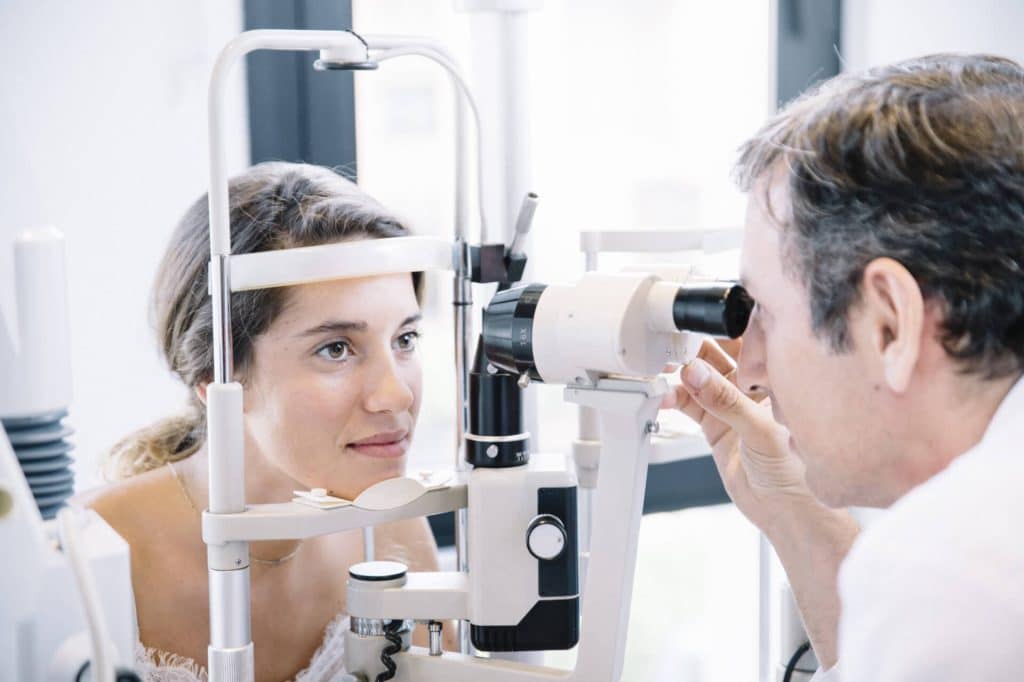
Regular eye check-ups are paramount for contact lens wearers. These appointments are not just for updating prescriptions but also for monitoring the health of your eyes. Early detection of potential issues like infections, corneal scratches, or signs of oxygen deprivation can prevent serious complications. Additionally, if you experience symptoms like redness, pain, excessive tearing, or sensitivity to light, it’s crucial to consult your eye care professional immediately. These could be indicators of improper lens use or hygiene issues, necessitating professional intervention.
Avoiding Lens Sharing and Overuse
Sharing contact lenses is a hazardous practice that should be strictly avoided. Every individual’s eyes are unique, with specific requirements and sensitivities. Using someone else’s lenses can lead to serious eye infections, transmission of bacteria, or allergic reactions. Furthermore, it’s essential to adhere to the expiry date of your lenses. Using lenses beyond their intended lifespan can lead to reduced effectiveness in vision correction, discomfort, and increased risk of eye infections. Understanding the importance of using lenses as intended and respecting their expiry dates is critical for maintaining optimal eye health.
Maintaining Eye Health with Contact Lenses
Adhering to these eight tips for contact lens care and hygiene is fundamental in safeguarding your eye health. From understanding your lens type to avoiding lens sharing and overuse, each guideline plays a critical role in preventing infections and ensuring the longevity of your lenses. Remember, contact lenses are a responsibility – treat them with care, and they will serve you well. Incorporating these practices into your daily routine not only extends the life of your lenses but also protects your eyes, allowing for a comfortable and healthy contact lens experience.