Self-confidence is a vital component in shaping one’s life, influencing everything from personal relationships to professional success. It’s a force that propels individuals to take risks, seize opportunities, and face challenges with a positive attitude. However, this essential trait can be undermined by various factors. Understanding what lowers self-confidence is crucial to combating these influences. This blog post explores key elements that have a detrimental impact on self-confidence, providing insights and guidance to help readers navigate these challenges and maintain a healthy level of self-esteem.
Contents
Negative Self-Talk And Criticism

The internal dialogue one has with oneself can significantly influence self-confidence. Negative self-talk, a habit where one constantly belittles or criticizes oneself, can lead to a damaging self-perception. This internal critic magnifies failures and downplays successes, creating a cycle of self-doubt and low self-esteem. Recognizing and challenging these negative thoughts is essential for building a more positive self-image. Replacing critical thoughts with affirmations and positive self-talk can gradually shift one’s perspective towards a more confidence-boosting mindset.
External criticism, when not constructive, can be just as harmful. Constant exposure to negative feedback, especially if it’s personal rather than performance-related, can make one question their abilities and worth. It’s important to differentiate between constructive criticism, which is aimed at improvement, and destructive criticism, which serves no purpose but to belittle. Learning to value constructive feedback while disregarding harmful criticism is key to maintaining and building self-confidence.
Comparison With Others
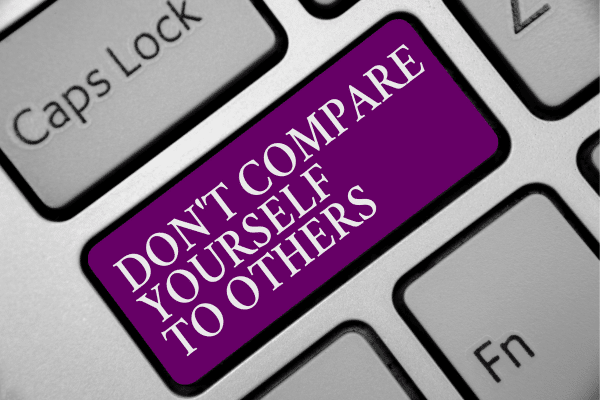
In a world increasingly driven by social media, comparing oneself to others has become a common but destructive habit. This comparison often leads to feelings of inadequacy, as people tend to compare their everyday lives to the highlight reels of others. Such comparisons are usually unfair and skewed, as they don’t account for the struggles and challenges everyone faces. Acknowledging that each individual’s journey is unique and focusing on personal growth rather than comparison is vital for maintaining self-confidence.
The standards set by others, whether in physical appearance, lifestyle, or career achievements, can create unrealistic expectations. Striving to meet these can lead to a constant sense of underachievement and dissatisfaction. It’s crucial to set personal standards and goals based on one’s values and capabilities. Embracing individuality and rejecting the urge to measure success against others’ benchmarks can significantly bolster self-confidence.
Fear Of Failure

The fear of failure is a common barrier to self-confidence. This fear often prevents individuals from taking risks or trying new things, leading to missed opportunities and regrets. The key is to reframe failure as a natural part of the learning process rather than a reflection of worth or ability. Understanding that every successful person has faced and overcome failures can change one’s perspective on taking risks.
Embracing failure as a stepping stone to success is essential. Learning from mistakes, rather than being discouraged by them, builds resilience and a more realistic understanding of success. Developing a growth mindset, where challenges are seen as opportunities to learn and improve, can significantly reduce the fear of failure. This shift in perspective not only enhances self-confidence but also encourages a more adventurous and fulfilling approach to life’s challenges.
Neglecting Personal Health

Physical health plays a crucial role in shaping one’s self-confidence. Regular exercise, a balanced diet, and adequate rest are fundamental in maintaining both physical and mental well-being. Neglect of these aspects can lead to a decline in physical health, which often correlates with a decrease in self-esteem. The connection between body and mind is strong; when the body feels good, the mind typically follows. Engaging in activities that promote physical health not only improves overall well-being but also boosts confidence in one’s abilities and appearance.
Neglecting personal care routines can also impact self-confidence. Simple acts like grooming, dressing well, or engaging in personal hygiene practices have significant psychological effects. These routines are not just about vanity; they contribute to a sense of self-respect and self-worth. When one feels good about their appearance, it naturally enhances their self-confidence. Hence, it’s important to invest time in personal care, as it reflects self-respect and plays a role in boosting self-confidence.
Toxic Relationships

Toxic relationships, be they personal or professional, can severely drain self-confidence. Being in an environment where one is constantly criticized, belittled, or made to feel inferior can lead to a significant loss in self-esteem. Recognizing the signs of toxic relationships is the first step towards dealing with them. It involves acknowledging that such relationships are harmful and deciding to either address the issues or step away from them.
Handling toxic relationships requires courage and self-respect. It may involve setting boundaries, seeking support from friends, family, or professionals, and sometimes ending the relationship. Protecting oneself from negative influences is crucial for maintaining self-esteem. Surrounding oneself with supportive and positive people can greatly enhance self-confidence and provide a healthier environment for personal growth.
Lack Of Goals And Direction
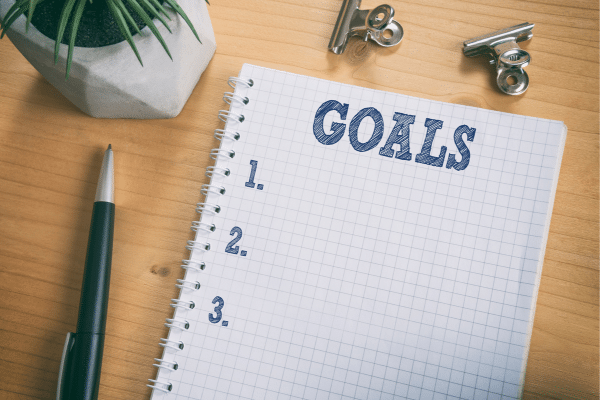
Having clear goals and a sense of direction in life is integral to self-confidence. Without them, one can feel lost, which can lead to a decrease in self-esteem. Setting realistic goals provides a roadmap for life, giving a sense of purpose and accomplishment. Achieving these goals, no matter how small, can significantly boost confidence and reinforce the belief in one’s capabilities.
Finding direction often involves self-exploration and recognizing one’s passions and strengths. It’s about setting personal goals that align with one’s values and aspirations. Regularly evaluating and adjusting these goals ensures they remain relevant and motivating. The journey towards achieving these goals is as important as the destination, as it builds character, resilience, and, most importantly, self-confidence.
Overemphasis On Perfectionism
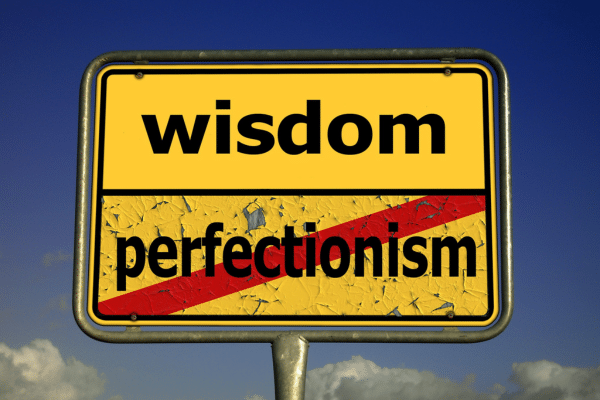
The pursuit of perfection can be a double-edged sword. While striving for excellence is commendable, an overemphasis on perfectionism can lead to unrealistic expectations and chronic dissatisfaction. This pursuit often results in fear of failure, procrastination, and self-doubt. Accepting that perfection is an unattainable goal and focusing instead on progress and effort is crucial for maintaining self-confidence.
Embracing imperfection is not about lowering standards but recognizing and celebrating one’s efforts and achievements. It involves understanding that mistakes and flaws are part of being human. Learning to be kind to oneself, especially in the face of errors and setbacks, fosters a healthier self-image and boosts confidence. In a world that often glorifies perfection, embracing one’s unique traits and journey is a powerful act of self-acceptance.
The Bottom Line
Self-confidence is a dynamic and fragile trait, influenced by various factors in one’s life. From the way one talks to oneself to the relationships one nurtures, numerous elements can either build or erode self-esteem. This blog post has highlighted key factors that can lower self-confidence, providing insights into how one can address and overcome these challenges. The journey to building and maintaining self-confidence is ongoing, requiring mindfulness, self-care, and a supportive environment. Embracing one’s unique journey, learning from failures, and celebrating small victories are vital steps in fostering a resilient and confident self.