
Do you struggle with chronic pain? You’re not alone. Millions of people worldwide suffer from chronic pain ranging from mild, dull aches to sharp and debilitating levels. While there is no one-size-fits-all solution, certain strategies can help reduce the intensity and frequency of chronic pain symptoms and increase overall strength and quality of life. This article will discuss some natural tips and lifestyle changes that may help treat your chronic pain—so read on for more!
The Importance Of Treating Chronic Pain
Chronic pain is a common problem that can significantly impact a person’s quality of life. Treating chronic pain can be challenging, but it is essential to pursue treatment options to improve your quality of life. Many different treatment options are available for chronic pain, so working with your healthcare team to determine what might work best for you is essential.
There are many resources available to support you on your journey. If you are living with chronic pain, don’t hesitate to seek help. Some common treatments for chronic pain include medication, physical therapy, acupuncture, and massage. In some cases, surgery may be an option. Focusing on self-care and stress management is also important, as these can help improve your overall well-being.
Tips To Help Treat Chronic Pain
Get Plenty Of Rest

Quality sleep is essential for mental and physical well-being. After dealing with chronic pain, getting plenty of rest can help in numerous ways. Adequate rest can elevate mood and increase energy levels, which can be especially restorative for those suffering from major illnesses like chronic pain. Good sleep habits also work to boost your immune system and reduce stress, both of which are essential factors in managing the symptoms of chronic pain.
If possible, establish a regular sleep schedule; going to bed and waking up at the same time each day helps set your body’s internal clock and eventually leads to better quality sleep. Finally, it’s important to make sure your bedroom is dark, quiet, and comfortable enough so that you’re able to relax easily before bedtime. With a good routine in place, you’ll be well on your way toward relieving chronic pain through proper restful activities.
Exercise Regularly

Regular exercise is essential to ward off many chronic illnesses, ranging from diabetes and heart disease to arthritis. Not only can it help with physical aches and disabilities, but it can also reduce feelings of anxiety, depression, and stress. Exercise strengthens the body and increases the range of motion and flexibility. Not only does this improve your overall physical health, but it also benefits your mental state.
Regular physical activity ensures optimal health, not just today but tomorrow as well. Through regular aerobic and anaerobic exercise, chronic pain can be reduced or even eliminated since exercising releases endorphins that act as natural painkillers. The key is to choose activities that are enjoyable and tailored to individual needs, then remain consistent with them while gradually increasing incline or intensity when appropriate.
Use Heat Therapy
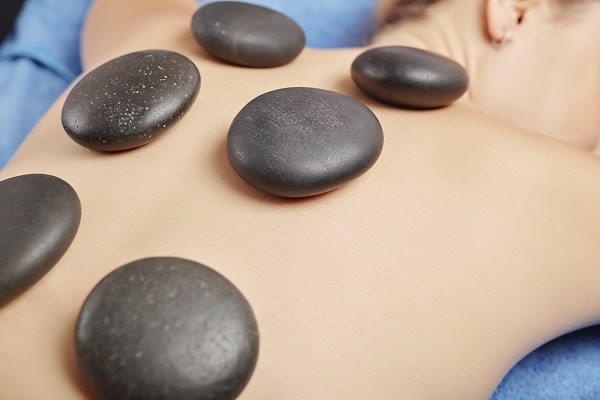
Heat therapy can be a powerful treatment to help combat chronic pain and promote health in numerous ways. One of the key advantages of using heat therapy is increased circulation to the area, which provides oxygen and other beneficial nutrients that can reduce inflammation. Heat therapy also loosens tight muscles and improves flexibility, providing pain relief.
The relaxing warmth of heat therapy can also reduce stress and induce a deeper level of relaxation which eases tension and releases endorphins, giving an overall sense of well-being. Finally, when used before physical activity, heat therapy prepares your body for exercise by warming up your muscles so you can perform better with less risk of injury. Considering all these factors, it is clear why many people turn to heat therapy as an effective form of self-care for managing their chronic pain or preventative care for general health benefits.