Contents
Try Acupuncture

Acupuncture, a key component of traditional Chinese medicine, has garnered much attention in the West as a natural treatment for various ailments, including joint pain. The practice involves inserting thin needles into specific points on the body to stimulate the body’s self-healing mechanisms. While the exact mechanisms are still under study, it’s believed that acupuncture can prompt the body to release endorphins – natural pain-relieving chemicals, improving pain management.
Scientific research has lent credibility to acupuncture’s efficacy in managing joint pain. Numerous studies have shown that acupuncture can offer significant pain relief for people suffering from conditions like osteoarthritis and rheumatoid arthritis. It’s a procedure with minimal side effects when performed by a qualified professional, making it an excellent option for those seeking natural methods to manage their joint pain.
Use Natural Supplements
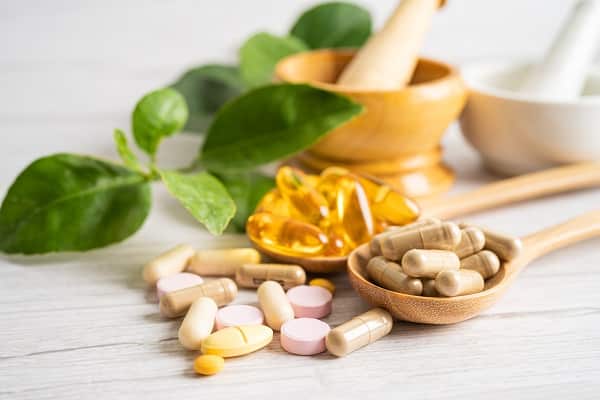
Natural supplements can be a great addition to one’s routine to manage joint pain. For instance, turmeric, a common kitchen spice, contains curcumin, a compound that has powerful anti-inflammatory properties. By reducing inflammation, it can help alleviate joint pain and improve mobility. Similarly, ginger has been used for centuries for its medicinal properties, including its ability to reduce inflammation and pain.
However, before starting any supplement regimen, it’s crucial to consult with a healthcare provider. Even natural supplements can interact with other medications or have side effects. Glucosamine, for example, a popular supplement for joint health, can cause digestive issues in some individuals. Therefore, understanding potential risks and benefits with the help of a healthcare professional is essential.
Get Enough Exercise

Engaging in regular exercise is a crucial part of managing joint pain. Low-impact activities such as swimming, cycling, or yoga can strengthen muscles surrounding the joints, thus providing more support and reducing pain. Furthermore, exercise can increase flexibility and mobility, enhance mood by releasing endorphins, and help maintain a healthy weight, reducing the pressure on weight-bearing joints.
It’s crucial to remember that exercise doesn’t have to be strenuous to be beneficial. Gentle, consistent activity is key. Starting slowly and gradually increasing the intensity can help avoid exacerbating joint pain. It’s always advisable to seek guidance from a physical therapist or healthcare provider to develop a safe and effective exercise routine tailored to individual needs and capabilities.
Try Massage Therapy

Massage therapy offers another effective way to manage joint pain naturally. By promoting blood circulation and easing muscle tension, it can bring about immediate relief from pain. Additionally, massage therapy can increase the production of endorphins, the body’s natural painkillers, contributing to pain management.
Different massage techniques can have specific benefits for joint pain. Deep tissue massage, for instance, works on the deeper layers of muscle and connective tissue, providing relief from chronic pain. Swedish massage, another popular technique, involves long, soft strokes, combined with kneading and tapping, to relieve muscle tension and promote relaxation. As with all other treatments, it’s essential to consult with a healthcare provider before starting massage therapy, especially if the joint pain is due to an underlying health condition.
The Bottom Line
In managing joint pain, a multi-faceted approach often yields the best results. Implementing hot and cold therapy, following a healthy diet, practicing meditation and mindfulness, trying acupuncture, using natural supplements, getting enough exercise, and exploring massage therapy can all contribute to more effective pain management. These methods, while natural, are backed by scientific research and can provide substantial relief. However, they should always complement professional medical advice and treatment. Above all, taking a proactive role in managing joint pain is vital for improving quality of life and well-being.