Contents
You Experience Frequent Headaches or Dizziness

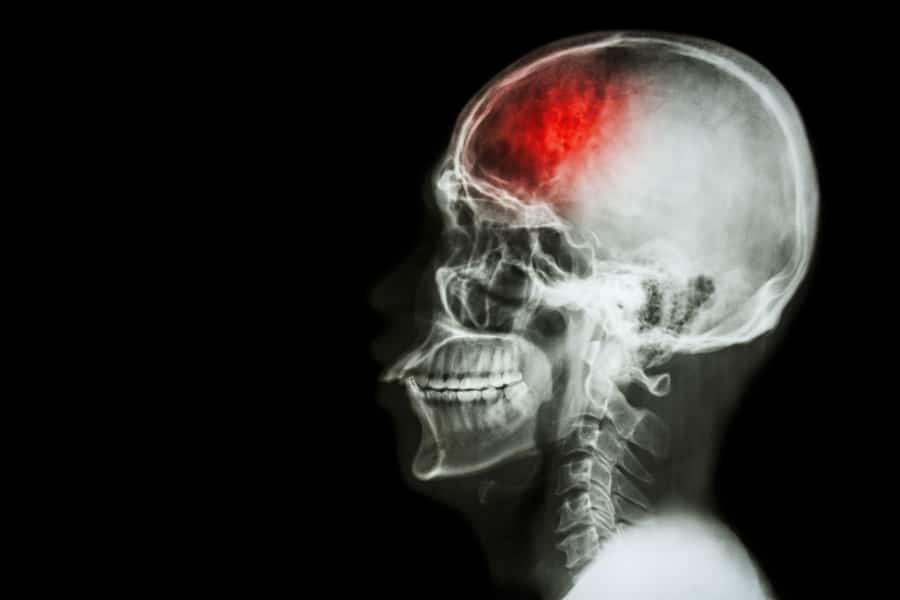
Headaches that seem to come out of nowhere could be linked to iron deficiency. Low iron reduces oxygen flow to the brain, leading to tension headaches or a feeling of pressure in your head. You might also feel lightheaded, especially when standing up too quickly or being in a warm environment. While these symptoms are often blamed on dehydration or stress, they can be red flags your body is trying to get your attention.
These episodes may increase during periods of physical or mental exertion. Some people also feel faint after skipping meals or working out, assuming they just need to eat or rest. However, if headaches and dizziness keep popping up, they may signal an ongoing issue with oxygen delivery. Monitoring how often these symptoms appear can help you determine if they’re part of a bigger health concern.
You’ve Developed Strange Food Cravings or Chew Ice

Unusual cravings—especially for non-food items—can be a sign that your body is running low on iron. Craving ice is particularly common and is known as pagophagia, a behavior often linked to iron deficiency. While it may seem harmless, the urge to chew ice daily can indicate a deeper nutritional imbalance. Some individuals also develop cravings for things like dirt, chalk, or paper, which doctors refer to as pica.
These cravings can feel intense and difficult to ignore, even when you know they’re not typical. Researchers aren’t entirely sure why this happens, but the behavior often improves when iron levels are corrected. People who experience these cravings may feel embarrassed and keep them private, delaying important conversations with their healthcare provider. If you’ve noticed a persistent urge to chew ice or consume odd substances, it’s worth getting your iron levels checked.
Your Nails or Hair Are Brittle and Weak

When your body lacks iron, it redirects resources to more vital functions, leaving less support for your hair and nails. One of the early signs is brittle nails that chip, split, or even develop a spoon-like curve at the center. Hair may become thin, dry, and more likely to fall out with brushing or washing. These changes often creep in slowly and are easy to dismiss as seasonal or cosmetic issues.
You might try new shampoos or supplements without realizing the root cause is internal. Iron is essential for cell growth and repair, so even mild deficiencies can show up in the form of weak hair or slow nail growth. In some cases, people notice scalp dryness or increased irritation. If you’re struggling with these symptoms and nothing seems to help, it may be time to consider whether low iron is playing a role.
Your Hands and Feet Are Often Cold

Constantly cold hands and feet—even in warm weather—can be another quiet signal of iron deficiency. Without enough iron, your body struggles to maintain normal circulation, especially to your extremities. This reduced blood flow leads to a chill that doesn’t go away easily, even with layers or heating. You may also notice numbness, tingling, or a bluish tint in your fingers and toes.
This sensation is more than just discomfort—it’s your body conserving energy by focusing blood flow on major organs. It often occurs alongside fatigue and lightheadedness, creating a trio of symptoms that are easy to overlook on their own. Some people feel cold all the time and never connect it to a potential nutrient imbalance. If your hands and feet stay icy no matter what you do, it’s time to pay closer attention to what your body may be missing.
Trust the Signals Your Body Sends
Your body has a quiet way of alerting you when something’s off, and low iron is no exception. These subtle signs might not scream for attention, but they can slowly disrupt your energy, appearance, and everyday comfort. Paying attention to these early red flags can help you avoid more serious health issues down the road. If any of these symptoms resonate, consider checking your iron levels and speaking with a healthcare provider—because catching a deficiency early can make all the difference in how you feel and function.