Contents
Three-Quarters Of Older Adults Have At Least One Chronic Disease

According to the Centers for Disease Control and Prevention (CDC), nearly three-quarters of older adults have at least one chronic disease. The most common chronic diseases include heart disease, cancer, stroke, and diabetes. These conditions can lead to various health complications, including disability, reduced life expectancy, and increased healthcare costs.
Many chronic diseases can be prevented or managed through lifestyle changes, such as quitting smoking, eating a healthy diet, and getting regular exercise. However, some chronic diseases are not preventable, and older adults may need to take medication to manage their condition. Regardless of the cause, chronic diseases can significantly impact an older adult’s quality of life.
Seniors Need More Vitamin B12

One of the most notable changes, when you get into your later years is a decrease in the production of stomach acid. Stomach acid is essential for absorbing vitamin B12; without it, seniors are at risk for a vitamin B12 deficiency. A vitamin B12 deficiency can lead to fatigue, memory loss, and depression. In severe cases, it can even cause dementia. Luckily, there are many ways for seniors to get the vitamin B12 they need.
Dietary supplements are an excellent option, and seniors can also get vitamin B12 by eating foods rich in the vitamin, such as eggs, dairy products, and seafood. With a little effort, seniors can quickly get the vitamin B12 they need to stay healthy and active.
Hearing Loss Can Affect The Health Of The Brain
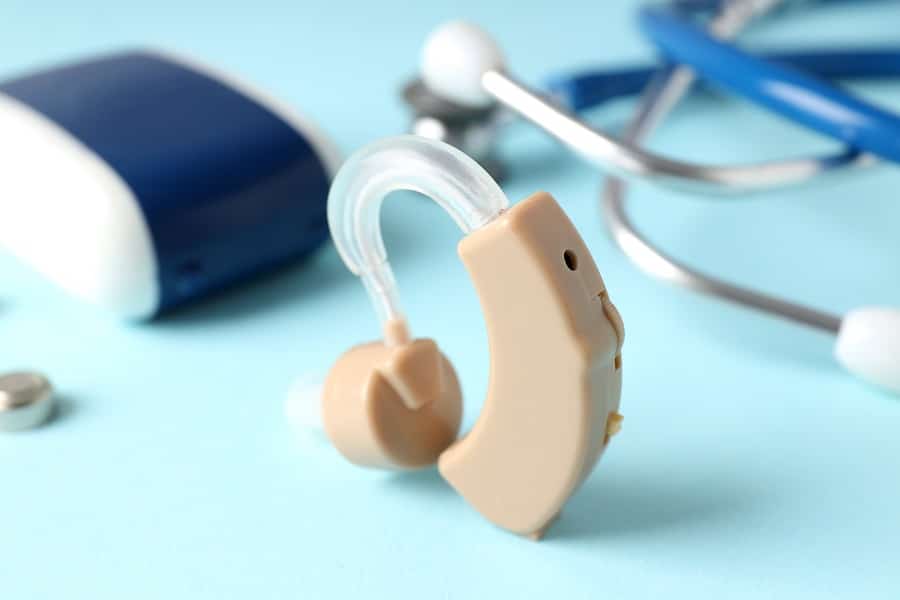
While it may come as a surprise, research has shown that hearing loss can significantly impact brain health. For example, hearing aids have been shown to help improve cognitive function in older adults with hearing loss and may also help to reduce the risk of dementia. In addition, hearing loss has been linked to an increased risk of falling, and people with hearing loss are more likely to suffer from depression and anxiety.
The good news is that there are treatments available that can help to improve hearing and reduce the negative impact on brain health. If you think you may be experiencing hearing loss, make an appointment with an audiologist to get your hearing tested. Early intervention is key to maintaining healthy brain function.
Sensitivity To Pain Increases When You Get Older

As unfortunate as it may be, as your body ages, it becomes less efficient at producing natural painkillers. This decrease in pain tolerance can be attributed to several factors, including the wear and tear of our joints, the loss of nerve cells, and the reduced production of hormones. In addition, inflammation and other age-related health problems can also contribute to increased sensitivity to pain.
While there is no way to completely prevent this decline in pain tolerance, several things can be done to help ease the discomfort. For instance, regular exercise has been shown to help reduce inflammation and improve overall joint health. In addition, maintaining a healthy weight and eating a balanced diet can also help to minimize age-related health problems.
Remember These Facts About Seniors’ Health
The vast majority of people are aware that when you get older, your body goes through changes. Some of these changes are good, such as the increased wisdom that comes with experience. However, other changes can harm your health. It is important to be aware of these changes so that you can take steps to prevent or manage them. By taking care of your health, you can enjoy a high quality of life well into your senior years.