
Ashwagandha
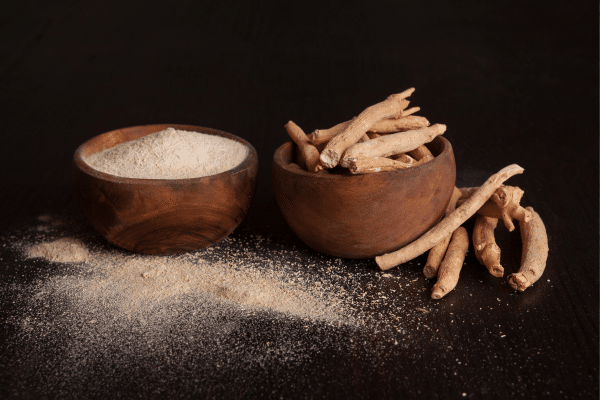
Ashwagandha, an herb central to Ayurvedic medicine, is renowned for its adaptogenic properties, helping the body manage stress more effectively. It has been used for centuries to combat stress, fatigue, and improve overall vitality. The root and berry of the ashwagandha plant are the most commonly used parts, known to contain compounds that help regulate the body’s stress response.
Clinical studies have shown that ashwagandha can significantly reduce cortisol levels, the body’s primary stress hormone. This reduction in cortisol can lead to improved stress management and a reduction in anxiety symptoms. Additionally, ashwagandha has been found to improve sleep quality, a common issue for those experiencing high stress. It can be consumed as a powder, capsule, or in a tea form, offering a natural approach to managing daily stress.
Basil
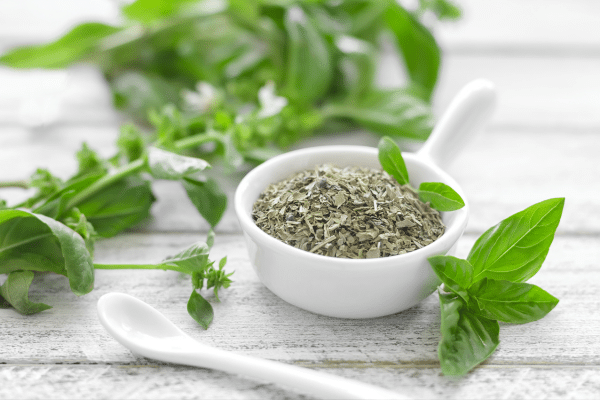
Basil, particularly Holy Basil or Tulsi, is more than just a culinary herb; it’s a potent adaptogen with impressive stress-relieving properties. In many cultures, basil is revered for its ability to increase resilience to stress and promote mental balance. Its unique compounds, such as eugenol and rosmarinic acid, are believed to contribute to its therapeutic effects.
Research into basil’s efficacy in stress management has shown positive results. Studies suggest that regular consumption of basil can help in lowering stress-related parameters like blood pressure and cortisol levels. Additionally, it’s thought to enhance mood and cognitive function, which are often negatively impacted by chronic stress. Basil can be consumed in various forms, including teas, supplements, or simply by adding fresh leaves to meals.
Ginger
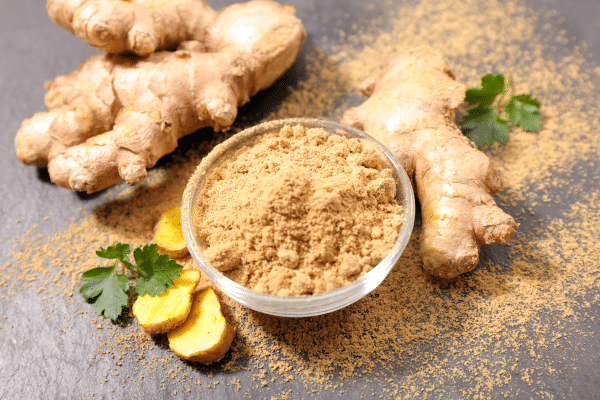
Ginger, widely recognized for its culinary and medicinal uses, also offers significant benefits in managing tension and stress. It contains potent compounds like gingerol, which have anti-inflammatory and antioxidant effects. These properties of ginger are beneficial not just for physical ailments but also for mental health, particularly in reducing stress and improving emotional well-being.
Research has linked ginger consumption to reduced symptoms of anxiety and stress. The soothing effect of ginger on the digestive system also plays a role in overall stress reduction, as gastrointestinal discomfort can often be a symptom of chronic stress. Ginger can be easily incorporated into the diet through cooking, as a fresh root or powdered spice, or consumed as a tea.
Lemon Balm
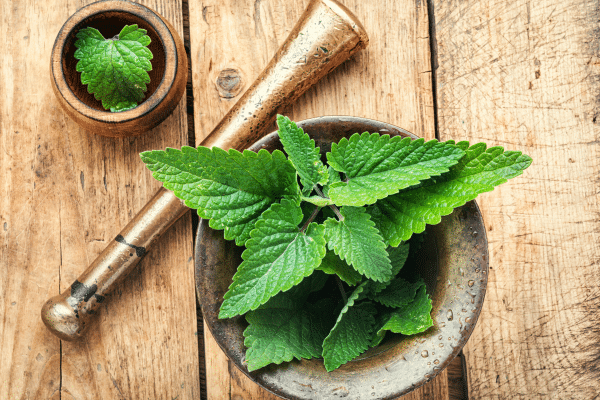
Lemon balm, with its mild lemon scent, has been used for centuries in traditional medicine to alleviate stress and improve mood. This herb belongs to the mint family and contains compounds that have a calming effect on the nervous system. Lemon balm is often recommended for reducing anxiety, promoting sleep, and improving overall emotional well-being.
Clinical trials support the use of lemon balm in reducing anxiety and stress. One study found that lemon balm extracts could significantly reduce anxiety-related symptoms. It is especially beneficial for those who suffer from stress-induced insomnia, as it can help improve sleep quality. Lemon balm can be taken in various forms, including teas, capsules, and tinctures.
The Bottom Line
Natural herbs offer a promising and holistic approach to managing tension. From the soothing properties of lavender and chamomile to the adaptogenic effects of ashwagandha and basil, each herb discussed provides unique benefits in stress relief. Ginger and lemon balm further extend these options, addressing both mental and physical aspects of stress. While these herbs can be effective, it’s important to remember they are part of a broader stress management strategy. Consulting with healthcare professionals before starting any new supplement regimen is always advisable.