Contents
4. Gluten-Free Packaged Foods: Not Always Healthier

The gluten-free label has become synonymous with health, leading many to believe that gluten-free packaged foods are a healthier option. However, these products often compensate for the lack of gluten with extra sugar, fats, and chemicals to improve taste and texture. The result is that gluten-free does not always mean low-calorie or nutritious, and these foods can be just as unhealthy as their gluten-containing counterparts.
Consumers should scrutinize the nutritional labels of gluten-free products, focusing on the overall content of sugars, fats, and artificial additives. Choosing foods that are naturally gluten-free, such as fruits, vegetables, and whole grains like quinoa and rice, provides a safer and more nutritious way to avoid gluten without compromising on health.
5. Vegetable Chips: A Salty Snack in Disguise
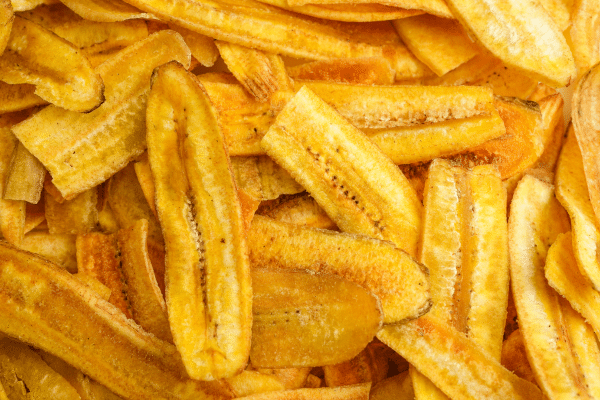
Vegetable chips are often marketed as a healthy substitute for regular potato chips, but they may not be as virtuous as they appear. These snacks can contain just as much fat and sodium as traditional chips, particularly if they are fried and salted. The process of turning vegetables into chips can also diminish their nutritional value, stripping away beneficial nutrients and fiber.
For a genuinely healthy snack, it is better to consume raw vegetables or prepare homemade vegetable chips with minimal oil and salt. This provides a crunchy, satisfying alternative to packaged snacks while preserving the nutritional benefits of the vegetables.
6. Energy Bars: Calorie Dense and Nutrient Sparse
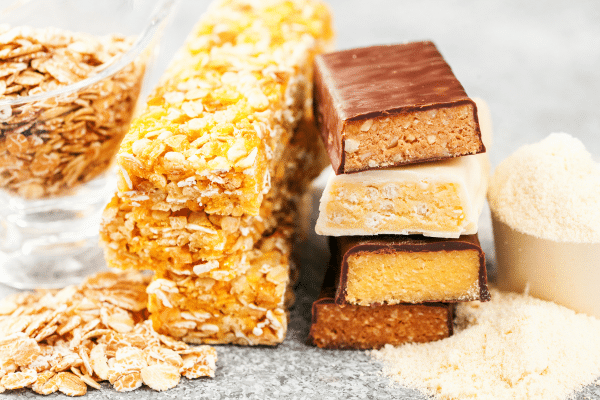
Energy bars are convenient for on-the-go snacking but can be misleading in terms of health benefits. Many bars contain high levels of sugars, fats, and calories, wrapped in a package that suggests nutritional advantage. Some bars are essentially candy bars in disguise, providing a quick energy boost followed by a crash, rather than sustained nourishment.
When choosing an energy bar, look for options with minimal ingredients, primarily nuts, seeds, and natural sugars from fruits. These bars offer better nutritional profiles and are more likely to provide the energy and satiety needed without the negative effects of added sugars and fats.
7. Diet Soda: Zero Calories, Zero Nutrition
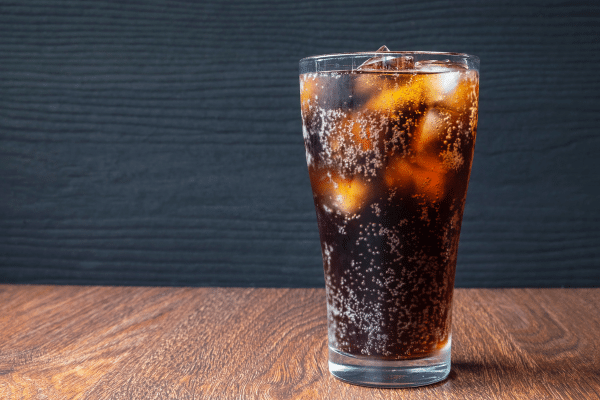
Diet sodas offer zero calories but also zero nutritional value, making them a poor choice for those seeking healthy beverage options. They contain artificial sweeteners like aspartame and sucralose, which can disrupt the body’s natural sugar regulation mechanisms, potentially leading to increased appetite and a preference for sweet flavors. Regular consumption of diet sodas has been linked to an increased risk of metabolic syndrome and type 2 diabetes.
Healthier alternatives include water, herbal teas, or sparkling water with a splash of natural fruit juice. These options hydrate without adverse health effects, helping to reduce sugar cravings and support overall well-being.
Rethink Your Diet, Reclaim Your Health
Recognizing the hidden pitfalls in ‘healthy’ foods is the first step toward making better dietary choices. By understanding what goes into our bodies, we can avoid unwanted health effects and nourish ourselves with genuine, beneficial nutrients. This exploration serves as a reminder to look beyond the labels and focus on consuming whole, minimally processed foods, paving the way for a healthier lifestyle.