Your skin can be one of the first places to show signs of hidden health problems. Strange spots, color changes, or texture shifts are often easy to brush off, but they should never be ignored. Some unusual skin changes can point to serious conditions that need fast attention. Learning what to watch for can help you spot trouble before it becomes something bigger. In this article, you will discover six odd skin changes that could signal deeper health issues. Paying close attention to your skin can lead to earlier diagnoses and better outcomes. Your health might depend on what your skin is trying to reveal.
Yellowing of the Skin Could Signal Liver Problems
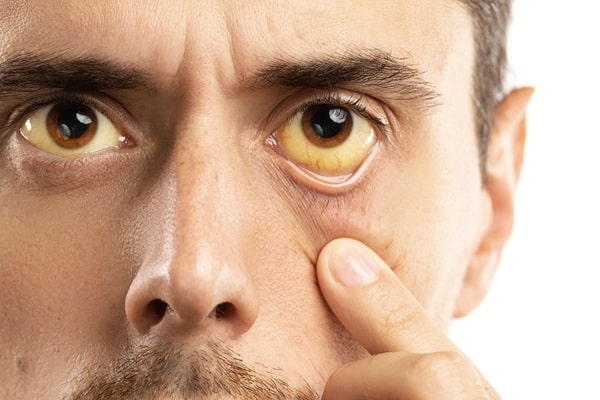
When the skin starts to take on a yellow tint, it is often a clear sign that something inside the body is not working correctly. This yellowing, called jaundice, happens when there is a buildup of bilirubin, a substance normally processed by the liver. Conditions like hepatitis, gallstones, or even liver failure can cause bilirubin to accumulate and change the color of the skin and eyes. Although it might seem like just a cosmetic change, yellow skin usually points to serious liver issues that require immediate attention.
The yellowing is often first noticed in the whites of the eyes before it becomes obvious on the skin. Other symptoms, such as dark urine, fatigue, or abdominal pain, may also appear around the same time. If yellow skin is accompanied by these other symptoms, it is critical to seek medical evaluation as soon as possible. Quick action can help doctors diagnose the problem early and prevent lasting damage to the liver and other vital organs.
Dark, Velvety Patches May Be a Warning for Diabetes
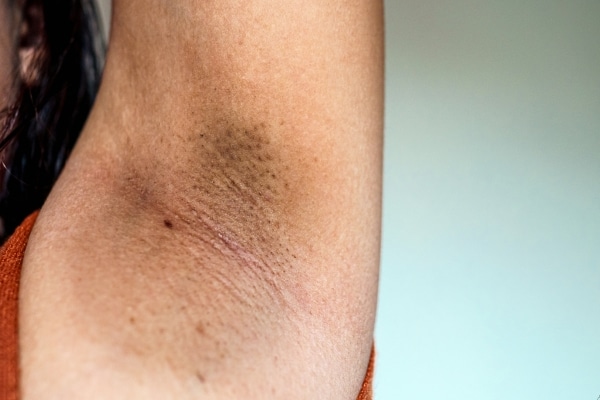
Dark, thickened patches of skin that appear mostly on the neck, underarms, or groin area can be a sign of an underlying health condition. This condition, known as acanthosis nigricans, often signals insulin resistance, which is an early warning for diabetes. When insulin levels in the blood are higher than normal, skin cells react by growing and multiplying more quickly. This overgrowth leads to the skin becoming darker, softer, and thicker in specific areas.
Many people notice these patches but assume they are caused by dirt or irritation from clothing. However, if the skin does not return to normal with regular washing or changes in hygiene habits, it could be a sign that blood sugar levels are too high. A doctor can run simple blood tests to determine if diabetes or prediabetes is present. Addressing the issue early can help prevent more serious complications down the line, including heart disease and nerve damage.
Sudden White Spots Could Indicate an Autoimmune Disorder

The sudden appearance of white patches on the skin can be startling and confusing for many people. These patches are often caused by vitiligo, a condition where the immune system mistakenly attacks the pigment-producing cells. While vitiligo itself is not dangerous, it sometimes signals the presence of autoimmune diseases like thyroid disorders or type 1 diabetes. Early changes in pigmentation might be the body’s first quiet call for help.
Because vitiligo usually begins subtly, with small patches that grow over time, it is easy to overlook in the early stages. Some people may try to cover the spots with makeup or tanning products without realizing that more serious health issues could be lurking. A doctor can perform blood tests to check for underlying autoimmune problems when vitiligo appears. Monitoring for other symptoms, such as fatigue or unexplained weight changes, can also help provide important clues about overall health.