Throughout the day, your hands come into contact with countless surfaces—many of which are covered in bacteria, viruses, and other harmful microbes. While some exposure to germs is inevitable, failing to wash your hands after touching certain things can lead to serious health consequences. From household items to public fixtures, these surfaces often go unnoticed in daily routines. What makes the risk even higher is how often people touch their faces, food, and loved ones without even thinking. In this post, you’ll uncover six everyday things you should never touch without washing your hands immediately afterward and why skipping this step might be putting your health at risk.
Contents
Public Door Handles

Public door handles are among the most touched objects in any environment, and they rarely receive the cleaning they need. From restroom entrances to office buildings, thousands of hands grip the same handle throughout the day. These surfaces collect everything from respiratory droplets to traces of fecal bacteria. As a result, they act as a silent conveyor belt for viruses and germs.
Once on your hands, these pathogens can quickly spread to your mouth, nose, or eyes without you realizing it. This makes it far easier to catch illnesses like the flu, colds, or even more serious infections. Many people underestimate how quickly germs can be transferred from one surface to another. Washing your hands thoroughly after touching a public door handle is one of the easiest ways to protect your immune system.
Raw Meat and Seafood
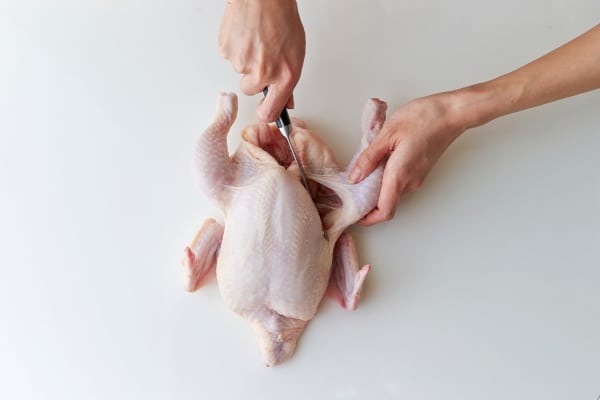
Handling raw meat and seafood exposes your hands to dangerous bacteria like Salmonella, Listeria, and E. coli. These germs can linger on your skin even after a brief touch, especially if juices from the meat come into contact with your fingers. Without immediate handwashing, these bacteria can spread to kitchen surfaces, utensils, or even ready-to-eat foods. This silent cross-contamination is a leading cause of foodborne illness.
The danger doesn’t stop in the kitchen. If you touch your phone, fridge handle, or face before washing your hands, you’re potentially spreading bacteria throughout your home. Proper hygiene after handling raw meat means scrubbing with soap and water for at least 20 seconds. This step is non-negotiable when it comes to keeping your meals and your family safe.
Garbage Bins and Trash Bags
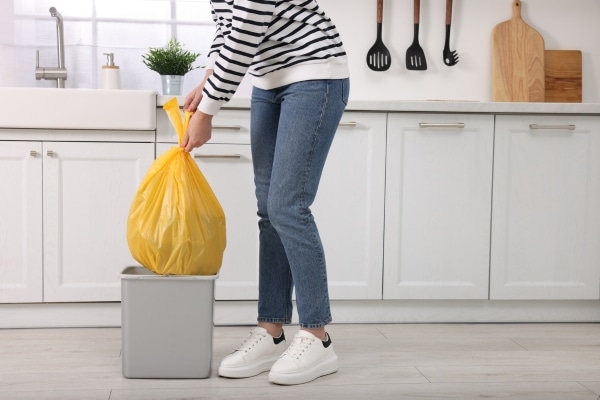
Whether you’re taking out the trash or lifting the lid on a garbage bin, your hands are picking up more than just unpleasant odors. Trash bins are breeding grounds for bacteria that thrive in decomposing waste. Even the outer surfaces of a bin or the edges of a trash bag can carry harmful microbes. Many people forget this step and go straight from handling garbage to preparing food or touching household surfaces.
This simple oversight can lead to bacteria spreading onto countertops, appliances, and even onto your skin or clothing. Outdoor trash bins present an added risk since they’re exposed to weather, pests, and more contamination. These germs can survive for hours and sometimes even days on your hands if not properly washed off. Taking a few extra seconds to wash your hands can stop the spread before it starts.
Pet Waste or Litter Boxes

Cleaning up after pets may feel like second nature, but it brings your hands into direct contact with parasites and bacteria that can be harmful to humans. Litter boxes and pet waste bags may contain organisms like toxoplasmosis or roundworms that aren’t visible to the naked eye. Gloves can offer a barrier, but germs can still transfer during removal or disposal. That’s why handwashing afterward isn’t just a precaution—it’s a necessity.
The risk extends beyond the litter box or cleanup site. Contaminated hands can spread pathogens to furniture, doorknobs, or even your own face. People often forget that pets walk through their litter or outdoor waste and then roam the house. Regular handwashing after dealing with any type of pet waste is one of the best ways to protect both your family and your pets from illness.
Gas Pumps and ATM Keypads

Gas pumps and ATM keypads are touched by hundreds—sometimes thousands—of people each day, yet they are almost never sanitized. These high-contact surfaces are often exposed to everything from dirt and sweat to viral particles and respiratory droplets. When you’re filling your tank or withdrawing money, it’s easy to forget how many germs are lingering on those buttons and handles. Without washing your hands afterward, those germs can travel with you wherever you go next.
The contamination doesn’t end at the pump or machine. Once you re-enter your vehicle, you might touch your steering wheel, phone, or face without thinking twice. These secondary surfaces can then act as a launching pad for viruses to spread throughout your day. Washing your hands or using sanitizer immediately after contact with these public tools can help break the chain of transmission and protect your health.
Money: Bills and Coins

Cash is passed from hand to hand constantly, making it one of the dirtiest items you handle on a regular basis. Studies have shown that both paper bills and coins can harbor a variety of bacteria, including strains linked to skin infections and gastrointestinal illnesses. Money also absorbs sweat, oils, and other residues, which help bacteria survive longer on its surface. Despite this, people often handle money right before eating or using their phones.
Credit and debit cards may seem safer, but they aren’t entirely clean either—especially when used in public terminals. Handling wallets, card readers, or change in stores can expose your hands to unseen germs. The best habit to develop is washing your hands thoroughly after any transaction involving cash or shared payment machines. This small step helps reduce exposure to the invisible dangers riding along with your money.
Small Habits That Shield You From Big Risks
It’s easy to overlook how often your hands come into contact with invisible threats throughout the day. Simple habits, like washing your hands after touching high-risk surfaces, can make a significant difference in preventing illness. Protecting your health doesn’t always require dramatic changes—just mindful, consistent action. When you make handwashing a priority, you’re not just reducing your own risk; you’re also helping to keep your home, workplace, and community safer for everyone.