
When you’re feeling under the weather, the right foods can be your best ally. This guide dives into the best foods to eat when you are sick, focusing on those that comfort, heal, and nourish your body back to health. From the soothing warmth of chicken soup to the immune-boosting power of garlic, each food is selected for its proven benefits during illness. Understanding what to eat can help alleviate symptoms, boost your immune system, and shorten your recovery time. Let’s explore these culinary healers and how they can help you bounce back stronger.
Chicken Soup
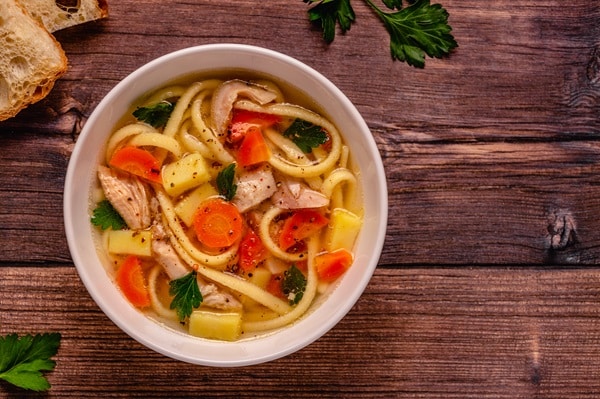
Chicken soup isn’t just a comfort food; it’s a medicinal marvel in a bowl. As you sip the warm broth, it acts as a natural decongestant, easing cold symptoms. The steam helps open nasal passages, while the rich blend of nutrients from the chicken and vegetables fortifies your body. This soup provides a gentle, easily digestible way to stay hydrated and nourished. Moreover, the collagen and minerals from the bones, if homemade, offer additional healing benefits, making chicken soup a top choice for anyone feeling under the weather.
Beyond its physical benefits, chicken soup embodies a sense of care and comfort. Each spoonful offers a soothing effect, reducing inflammation and accelerating healing. The combination of tender chicken, soft vegetables, and warm broth provides a balanced meal that’s gentle on the stomach. It’s versatile, too; you can add rice, noodles, or more vegetables to enhance its nutritional profile. Whether you’re battling a cold or flu, chicken soup is a time-honored remedy that supports recovery from the inside out.
Ginger
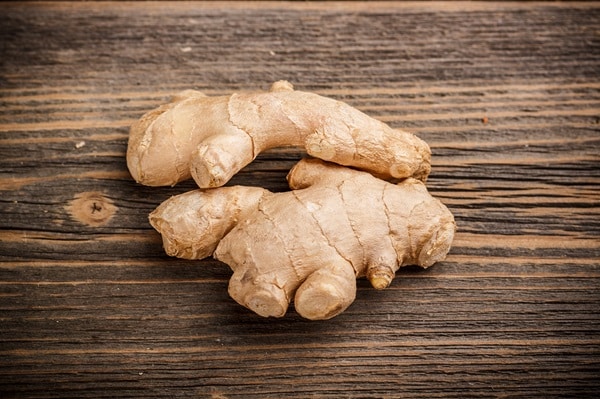
Ginger is a potent ally against various symptoms of sickness, especially nausea and digestive discomfort. Its active components, like gingerol, have anti-inflammatory and antioxidant effects, which help soothe an upset stomach. Consuming ginger in small amounts can significantly reduce feelings of nausea, making it a go-to remedy for everything from the flu to morning sickness. It’s also known to aid digestion, helping to calm your stomach and speed up the recovery process. By incorporating ginger into your diet, you’re not only easing symptoms but also enhancing your overall immune response.
Integrating ginger into your meals is both easy and beneficial. You can steep sliced ginger in hot water to make a soothing tea, add grated ginger to soups and broths, or include it in stir-fries for a healthy kick. Its spicy, warming flavor not only perks up your meals but also encourages a healthy appetite, which can wane when you’re sick. Regular consumption of ginger can contribute to a healthier digestive system, making it a valuable food for both sickness and health maintenance.
Garlic
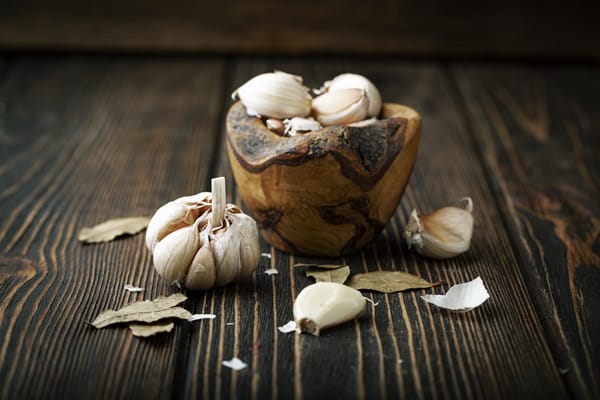
Garlic is renowned for its immune-boosting properties thanks to its high concentration of sulfur-containing compounds, such as allicin. When you’re sick, consuming garlic can help combat illness by enhancing your immune cells’ efficiency. It has antibacterial and antiviral properties, making it a formidable opponent against infections. Adding garlic to your diet can help reduce the severity of cold symptoms and even shorten the duration of your illness. Its potent flavors and health benefits make it an essential ingredient in the kitchen for both culinary and medicinal purposes.
To maximize the benefits of garlic, it’s best consumed raw or lightly cooked, as high heat can diminish its medicinal properties. Incorporating crushed or chopped garlic into dressings, sauces, or as a garnish can amplify the flavor and health benefits of your meals. For those concerned about the strong taste, roasting garlic can mellow its flavor while retaining its healthful qualities. Regularly including garlic in your diet not only helps when you’re sick but also strengthens your immune system, preparing your body to ward off future illnesses.